
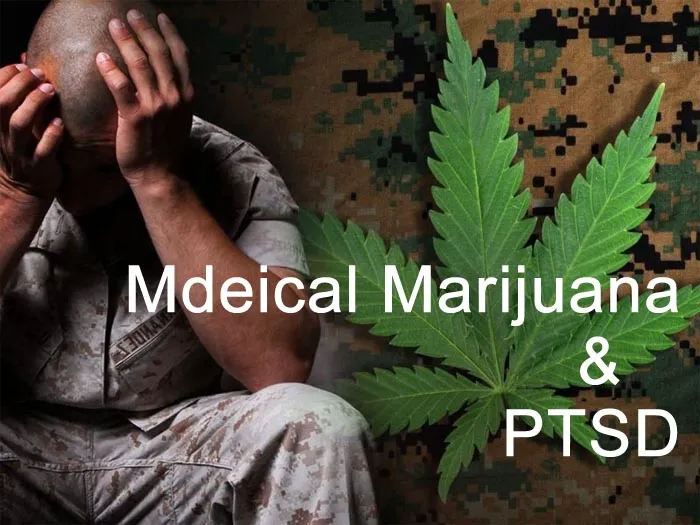
Remember back in July 2023, when Ukraine announced the legalization of medical marijuana, making headlines at the time? On August 16, 2024, the legalization officially took effect in Ukraine. This move aims to address the long-term psychological impact of the ongoing war, legalizing medical marijuana use for tens of thousands of veterans suffering from severe illnesses and post-traumatic stress disorder (PTSD).
Understanding PTSD:
Post-Traumatic Stress Disorder (PTSD) is a mental health condition that typically occurs in people who have experienced life-threatening events. The range of events that can lead to PTSD is broad, from combat to sexual assault, and even car accidents. It’s not the event itself that leads to a PTSD diagnosis, but rather the symptoms that appear afterward. The severity of the event does not directly correlate with the severity of PTSD. PTSD tends to occur in the following cases:
50% – war, rape, and torture victims
25% – victims of violence
15% – soldiers after combat
10% – people who have experienced serious traffic accidents or life-threatening illnesses
These symptoms may present immediately following trauma, but often subside after a few weeks or months. However, what makes PTSD unique is that sufferers can continue to experience trauma years or even decades later, still haunted by intense and disturbing thoughts and feelings related to their experiences. They may relive the events through flashbacks or nightmares, feel sadness, fear, pessimism, or anger, and may also feel detached or estranged from others.
PTSD Symptoms:
- Re-experiencing Symptoms: Also known as flashbacks, where PTSD patients repeatedly relive their traumatic experiences. For some, this happens through dreams, while for others, it manifests as extremely vivid memory fragments.
- Hyperarousal: This primarily involves heightened alertness, characterized by constantly being on guard or feeling in danger. PTSD patients often struggle to concentrate and may experience insomnia. They may also exhibit anger, irritability, or be easily startled.
- Avoidance: PTSD patients often try to avoid situations or events that may trigger memories of the trauma, including talking about the event. Sometimes, this avoidance happens unconsciously.
- Negative Thoughts and Emotions: After a traumatic event, people with PTSD may harbor feelings of negativity, shame, guilt, or even social paranoia. They might find it difficult to trust others or lose interest in things that once brought them joy.
Traditionally, medications like antipsychotics and antidepressants have been used to manage PTSD symptoms, but these often come with undesirable side effects and may not provide sufficient relief. Fortunately, in recent years, there has been growing interest in the potential benefits of medical marijuana for treating PTSD. A epidemiological study in 2019 found a link between medical marijuana use and reduced depression and suicidal ideation among PTSD patients.
Positive Shifts in U.S. Policy
Compared to the general population, veterans seem to be more affected by mental health issues. In 2020, the veteran suicide rate was approximately 26 per 100,000 people, compared to around 16 per 100,000 among non-veterans. Although 2020 saw the lowest veteran suicide numbers since 2006, the fact that 16.8 veterans die by suicide every day is still deeply concerning.
Recently, the U.S. has witnessed a series of legislative moves aligning with this military readiness model. The House of Representatives passed two significant measures: one to eliminate marijuana testing requirements for new military recruits and another to automatically register men aged 18 to 26 for selective service, allowing them to opt into medical marijuana. These changes are accompanied by a sharp increase in military spending and the largest military pay adjustment in history.
Under the House-approved National Defense Authorization Act (NDAA), the Department of Defense must report the number of soldiers discharged over the past decade due to marijuana use. While exact figures have not been disclosed, this requirement acknowledges the impact marijuana-related discharges have on soldiers.
Currently, 38 states in the U.S. have implemented some form of marijuana program, reflecting the growing acceptance of marijuana use nationwide. Recent surveys indicate that approximately 49.6 million Americans (18% of the population) use marijuana, with a higher usage rate among men of military age. The number of veterans using marijuana has also increased. In 2019, 9.8% of U.S. veterans reported using marijuana in the past year, and between 2019 and 2020, the prevalence of marijuana use among veterans in the past six months was 11.9%. For veterans aged 18 to 44, the rate exceeded 20%. Data shows that younger veterans and those with mental health conditions are more likely to use marijuana.
New Mexico became the first state in 2009 to specifically list PTSD as a qualifying condition for medical marijuana, followed by 36 other states. Currently, Alaska is the only state that has not included PTSD as a qualifying condition, though it allows doctors to make the decision. Despite long-standing advocacy from veterans for using marijuana to treat PTSD, progress has been slow. As reflected in the Department of Veterans Affairs (VA) decision, the lack of quality evidence and experimental design has limited the official recognition of medical marijuana for PTSD treatment.
However, with the push for federal marijuana legalization and reclassification efforts in the U.S., the domestic industry is gradually leaning toward medical marijuana, which will significantly impact the development of the cannabis industry nationwide, including its use in military medicine. Recent policy shifts in the U.S. could pave the way for the VA to adopt medical marijuana as a treatment option for PTSD, as the military works to meet the long-term needs of the veteran community.
Use of Medical Cannabis for PTSD in Israel, the UK, Australia, and Germany
-
Israel:Leading the Way of Prescription Trends Rising
In Israel, the treatment of PTSD in veterans has been a significant topic in recent years, especially due to the high rate of suicides among veterans who struggle to be diagnosed with combat-related PTSD. A 2018 study by the Israel Defense Forces (IDF) found that the prevalence of PTSD among veterans of the 2006 Lebanon War was only 2%, compared to 16% among U.S. veterans who served in the Iraq and Afghanistan wars. This stark difference led to widespread criticism from both patients and PTSD experts regarding Israel’s strict inclusion criteria and the bureaucratic challenges surrounding disability recognition.
A study conducted by the Herzog Medical Center in Jerusalem revealed that exposure to combat environments is a leading cause of PTSD among both combat and non-combat veterans. In nations frequently subjected to terrorist attacks or enduring prolonged wars, the prevalence of PTSD in the general population can reach up to 10%.
In 2014, with the endorsement of the Psychiatric Association, the Israeli Ministry of Health issued guidelines for the use of medical cannabis, making Israel one of the first countries to adopt medical cannabis as a treatment for PTSD. PTSD is now the second most common condition treated with medical cannabis, following chronic pain. Over the past two years, the number of PTSD patients has grown faster than the overall patient population, increasing from 10% to 13%.
In a 2022 study funded by Tikun Olam, involving 10,000 Israeli patients, it was found that 91% of PTSD patients experienced moderate to significant improvement, with no severe side effects. Among the 551 patients whose primary symptom was PTSD:
94% had sleep disorders
87% experienced anxiety
81% suffered from depression
52% reported pain
48% were using antidepressants.
-
UK: 89% of PTSD Patients Have Used Medical Cannabis
In the UK, a mid-term report from the Twenty21 observational study was published in the Journal of Drug Science in May 2023. The findings indicated a reduction in the severity of PTSD symptoms following three and six months of follow-up. A 2022 review of the UK Medical Cannabis Registry (UKMCR) also revealed similarly positive results. The review focused on PTSD patients registered with Sapphire Clinics, and found that 89% of them had used medical cannabis.
The methods of administration varied, with 49% of PTSD patients using dried cannabis flowers and 29% using a combination of dried flowers and oral medications. On average, patients consumed 5 mg of CBD and 145 mg of THC daily.
The UKMCR is a comprehensive, forward-looking registry designed to consolidate the outcomes of medical cannabis prescriptions. Its aim is to expand knowledge about medical cannabis use in the UK by collecting and analyzing clinical data. The registry ensures responsible evaluation of medical cannabis prescriptions by gathering essential data, including prescription formulations, adverse events, and patient-reported outcomes. This data is sourced from patients across the UK suffering from a variety of conditions.
Regulations surrounding medical cannabis prescriptions in the UK are highly stringent. Typically, only specialists (not general practitioners) can prescribe these products, and they are usually prescribed only after other treatments have been tried and found ineffective.
-
Australia: A Surge in Medical Cannabis Prescriptions for PTSD, Regulated by the Special Access Scheme
In Australia, components of the cannabis plant may have potential in treating mental illnesses. Medical cannabis (MC) products are legal prescription medicines in Australia, primarily obtained through the Therapeutic Goods Administration’s (TGA) Special Access Scheme B (SAS-B). Although a 2019 systematic review funded by the TGA found no evidence linking medical cannabis to mental illness, a 2023 paper highlighted a rising incidence of mental health conditions among patients obtaining medical cannabis through SAS-B. Since 2020, the number of approvals for medical cannabis to treat PTSD has surged, with new approvals exceeding 250 per month by the end of 2022, and this number has already been surpassed in 2023. In the prescriptions for PTSD, 40% of the products are in the form of dried cannabis flowers, with the rest being mainly oral medications and cannabis oil products.
The Special Access Scheme (SAS): The SAS allows prescribers (including practicing nurses) to prescribe medical cannabis products for individual patients on a case-by-case basis. The Special Access Scheme Category A (SAS-A) is a notification pathway that permits registered medical practitioners to obtain unapproved medical cannabis products and prescribe them to seriously ill patients. Under the SAS-A pathway, prescribers must submit an application to the Office of Drug Control to import medical cannabis products for individual patients.
The Special Access Scheme Category B (SAS-B) is an application pathway that allows registered healthcare practitioners to apply to the Office of Drug Control for approval to prescribe unapproved medical cannabis products to their patients. Applicants must provide appropriate clinical reasons for using these products, including explanations as to why products listed on the Australian Register of Therapeutic Goods (ARTG) are unsuitable for treating the patient.
-
Germany: Legalization Actively Promoting Medical Cannabis Research
Data shows that approximately 2% to 3% of the German population will experience post-traumatic stress disorder (PTSD) at least once in their lifetime. PTSD is also a common mental illness in Germany, with an estimated monthly prevalence rate of 1.3–3.4% and a lifetime prevalence of 2.9%. Globally, the lifetime prevalence of PTSD ranges from 1.3% to 8.8%. The probability of Germans experiencing traumatic events in their lifetime appears to be lower (23.8%) compared to the global average, which, according to the World Health Organization’s (WHO) sample across 24 countries (including Germany), stands at 70.4%.
Since 2017, medical cannabis and cannabinoids have been available in Germany for a wider range of medical conditions. However, due to the stigma surrounding cannabinoids and their (still) low prevalence in medical settings, patient surveys on these drugs face obstacles. In this context, PTSD patients are often reluctant to provide information. Additionally, some psychiatrists in Germany remain skeptical about the use of medical cannabis for treatment. Reimbursement approval rates for PTSD patients are low: a 2018 study by health insurance companies revealed that mental illnesses had a lower reimbursement rate, with the global average for reimbursement around 62%. Less than 100 PTSD patients using dried flowers for symptom management met the inclusion criteria for the German Federal Institute for Drugs and Medical Devices (BfArM)’s supplementary study.
Currently, research supporting the use of medical cannabis to alleviate PTSD symptoms in Germany is still in its early stages. However, driven by cannabis legalization, research into medical cannabis is gaining momentum, showing great potential. Nonetheless, many PTSD patients self-medicate with medical cannabis to relieve symptoms such as anxiety. This approach is supported by animal studies: when animals were administered THC, their anxiety levels decreased. Conversely, when cannabinoid receptors (CB1) were blocked, anxiety-related behaviors increased, suggesting that cannabinoids play a positive role in controlling anxiety and fear.
At the same time, German research has identified the amygdala—a region of the brain involved in threat processing and fear responses—as overactive in PTSD patients when reacting to trauma-related stimuli. This hyperactivity makes it difficult for these patients to inhibit their attention and reactions to such stimuli. The amygdala is particularly rich in CB1 cannabinoid receptors, and THC has been shown to affect the activity of this brain region. However, it is important to note that THC’s effects are dose-dependent: low doses seem to reduce amygdala activity (anti-anxiety), while high doses increase it (causing anxiety). Additionally, small-scale studies on THC (dronabinol and nabilone) for other common PTSD symptoms, such as insomnia and nightmares, have shown positive effects in alleviating these symptoms in PTSD patients.
-
Ukraine Legalizes Medical Cannabis in Response to the War
On July 12, 2023, a week before Ukrainian President Zelensky approved the legalization, 268 out of 450 representatives in the Verkhovna Rada voted in favor of a draft law amending the country’s narcotics law, making the production and distribution of medical cannabis legal. The legalization of medical cannabis officially came into effect in Ukraine on August 16, 2023.
Despite this positive development, it is rather strange that post-traumatic stress disorder (PTSD) is not yet included in the list of conditions for which prescriptions can be issued, currently being determined by the Ukrainian Ministry of Health. In fact, the Ministry of Health declined to include PTSD or post-traumatic relationship syndrome (PTRS) on this list due to a “conservative stance,” citing research that suggests medical cannabis has no significant effect on these conditions. However, according to the latest reports, a compromise may have been reached between the government, the Ministry of Health, and patients, potentially allowing for some flexibility.
The legalization of medical cannabis comes in the context of increasing awareness of the mental health toll caused by the war in Ukraine. An international study in October 2022 found that 25% of Ukrainians met the criteria for a PTSD diagnosis, with a higher prevalence among women who had experienced sexual violence. Tens of thousands of Ukrainian soldiers have participated in combat, with at least 200,000 active personnel at any given time, and healthcare resources are extremely strained. The country’s medical infrastructure has also suffered more than 1,000 attacks. Patient associations estimate that millions of Ukrainians will urgently need large quantities of cannabis medications after the war.
The bill allows the use of cannabis to treat the following conditions:
Cancer patients
Epilepsy patients
Multiple sclerosis
Parkinson’s disease
Patients in palliative care
However, the draft law includes a provision that Ukraine will impose a zero quota on cannabis imports until January 1, 2028, with the exception of genetic materials. This means Ukraine will need to license and develop or adapt all its production and distribution capabilities. Nonetheless, the existing framework may still change, as the law requires a second reading to come into effect. Reportedly, industry stakeholders are negotiating with decision-makers on the parliamentary health committee, opposing such regulations. Allowing the importation of cannabis APIs or finished herbal products could significantly speed up patient access to medication.
Indeed, for a country at war, this is a daunting task. Despite the urgency of the war situation, effective access to medical cannabis in Ukraine may still take time. The trauma caused by the Russian invasion may intensify regulatory demands and accelerate bureaucratic processes, but Ukraine will still need to rebuild its regulated supply chain from scratch.
More Evidence and Advocacy from Mental Health Professionals are Key
Doctors and psychiatrists are often skeptical about using medical cannabis to treat PTSD, which limits veterans’ access to cannabis-based medications. As a result, veterans often resort to self-medicating through recreational channels. In fact, more research is needed to explore the potential of medical cannabis for PTSD patients and to better advocate for the benefits of cannabinoid treatments in addressing the diverse symptoms of PTSD. A personalized cannabinoid treatment approach could pave the way for more comprehensively addressing the emotional challenges faced by PTSD patients.
Whether it’s Israel leading the way with real-world evidence showing that medical cannabis helps treat trauma and its symptoms, the promising research in the UK, Australia’s flexible access program, or Germany’s active promotion of medical cannabis research following legalization, all these achievements suggest that they can be replicated to support veterans, including tens of thousands of Ukrainian soldiers.
Latest Research
According to recent studies, the altered state of consciousness caused by cannabis is more than just recreational. In fact, this euphoric state may be a key component of cannabis’s therapeutic potential. When a person consumes cannabis and experiences “excitement,” their brain enters a state of enhanced neuroplasticity. Neuroplasticity refers to the brain’s ability to reorganize itself by forming new neural connections. In this state, neurons become more “flexible,” potentially allowing the rewiring of established neural pathways.
This enhanced neuroplasticity can be particularly beneficial for people with conditions such as post-traumatic stress disorder (PTSD). PTSD patients often have deeply ingrained trauma-related neural networks. The increased neuroplasticity induced by medical cannabis may help them view their experiences from different perspectives, potentially breaking free from the “neural prison” of their condition. It provides an opportunity to interrupt and reshape the negative feedback loops that trigger their trauma responses.
While this process can be helpful on its own, it becomes even more effective when combined with appropriate therapy and guidance. Additionally, the euphoria brought on by medical cannabis serves another important physiological function for many users. This positive experience can shift the nervous system from sympathetic dominance (the “fight, flight, freeze, or fawn” state) to parasympathetic dominance (the “rest, digest, heal, and restore” state). This shift is crucial for recovery, as most of the body’s repair and regeneration processes occur in the parasympathetic state.
In conclusion, the euphoria induced by medical cannabis does indeed have potential medical benefits for PTSD, creating an environment conducive to recovery and personal growth by combining enhanced neuroplasticity with nervous system relaxation.

Great article! I really appreciate the clear and detailed insights you’ve provided on this topic. It’s always refreshing to read content that breaks things down so well, making it easy for readers to grasp even complex ideas. I also found the practical tips you’ve shared to be very helpful. Looking forward to more informative posts like this! Keep up the good work!
Hi my loved one I wish to say that this post is amazing nice written and include approximately all vital infos Id like to peer more posts like this