

When it comes to growing plants, whether you are cultivating vegetables, flowers, or herbs, there are two primary methods: indoor or outdoor growing. Each approach has its own advantages and challenges, and understanding these can help you decide which method best suits your needs. Some people prefer indoor gardening because it allows them to control the environment, while others enjoy the natural benefits of outdoor gardening. If you are unsure about whether to grow indoor outdoor plants, this guide will help you make an informed decision.
Benefits of Indoor Growing
1. You Control Everything
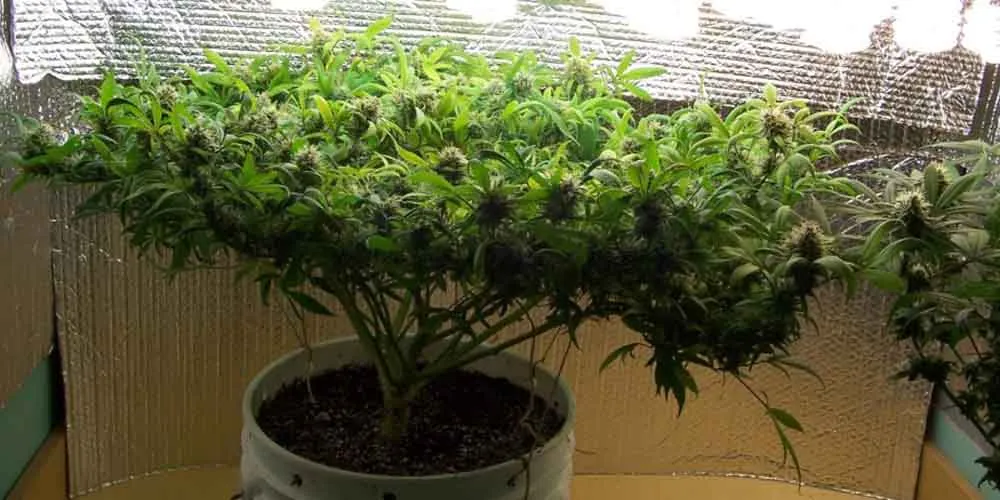
One of the biggest perks of indoor gardening is that you’re in charge. Unlike outdoor gardens, where plants have to deal with unexpected weather, pests, and changing seasons, indoor plants grow in a controlled environment. You can adjust temperature, humidity, and light exactly how you want. Using grow tent kits, LED grow lights, and fans, you can create the perfect space for your plants to thrive. Whether it’s freezing outside or scorching hot, your indoor garden stays just right.
2. Year-Round Gardening
One of the best things about indoor growing? You don’t have to wait for the right season! While outdoor gardens depend on the weather, indoor gardening lets you grow plants any time of the year. Love fresh basil in the winter? Want to grow strawberries when it’s snowing outside? No problem. With an indoor setup, you can enjoy homegrown produce no matter what’s happening outside.
3. No Pests, No Stress
If you’ve ever had an outdoor garden, you know how frustrating pests can be. Bugs, rabbits, and even neighborhood cats can destroy your plants overnight. With indoor gardening, your plants are safe from unwanted visitors. Since they’re not exposed to outdoor conditions, there’s also a lower chance of plant diseases spreading. This means healthier plants and less time spent dealing with pest control.
4. Less Mess and More Convenience
Outdoor gardening can be dirty and time-consuming. Digging in the soil, dealing with weeds, and pulling out dead plants takes effort. But with indoor gardening, you can grow plants in clean, organized spaces like shelves, pots, or grow tents. Watering is easier, there’s no weeding, and you don’t have to worry about getting muddy. Plus, everything is right there in your home, so no need to step outside in bad weather to check on your plants.
5. More Efficient Use of Space
Even shelves to maximize your growing space. Even if you only have a tiny corner, you can still create a mini indoor garden with the right setup.
Drawbacks of Indoor Growing
1. Higher Initial Costs
Setting up an indoor garden can be expensive. To provide optimal growing conditions, you may need LED grow lights, ventilation systems, dehumidifiers, and other specialized equipment. Additionally, running these devices increases energy costs, making indoor gardening a more costly option compared to outdoor growing.
2. Requires More Maintenance
While controlling the environment is a benefit, it also requires constant attention. Indoor gardening means monitoring temperature, humidity, watering schedules, and light cycles. Any mistake—such as too much or too little water—can negatively impact plant growth. This level of maintenance may be overwhelming, especially for beginners.
Benefits of Outdoor Growing
1. Access to Natural Light
One of the biggest advantages of outdoor gardening is that plants receive full-spectrum sunlight, which is essential for healthy growth. Sunlight provides the ideal wavelengths for photosynthesis, helping plants grow strong and develop natural resistance to pests and diseases.
2. Lower Costs
Outdoor gardens do not require costly equipment like LED grow lights or ventilation systems. If you have a garden or backyard, you only need basic tools, seeds, and soil to start growing. This makes outdoor gardening a more budget-friendly option, especially for beginners.
3. More Space for Plants
Unlike indoor setups, outdoor gardens provide more room to grow a variety of plants. You can cultivate larger plants, experiment with different species, and even grow trees or shrubs. This is ideal for gardeners who enjoy diversity and want to maximize their harvest.
Drawbacks of Outdoor Growing
1. Environmental Uncertainty
One of the biggest downsides of outdoor gardening is dealing with unpredictable weather. Too much sun, not enough rain, early frosts—nature can be harsh on your plants. If there’s a sudden heatwave or storm, your plants could suffer. Unlike indoor gardening, where you set the perfect conditions, outdoor gardens are at the mercy of Mother Nature.
2. Pests and Plant Diseases Are Everywhere
Bugs, birds, rabbits, and other animals love outdoor gardens just as much as you do—but for the wrong reasons. Pests can eat your plants, destroy your harvest, and cause serious damage. Plus, outdoor plants are more likely to get diseases from other plants, contaminated soil, or bad weather conditions. Dealing with pest control naturally can be tough, and using chemicals isn’t always a great option if you want a clean, organic garden.
3. Limited Growing Seasons
Depending on where you live, you may only be able to grow certain plants during a few months of the year. In colder regions, outdoor gardens shut down in the winter, which means no fresh homegrown produce until the weather warms up again. If you want to grow year-round, you’ll need to start seedlings indoors or invest in a greenhouse, which can be expensive.
4. More Physical Effort
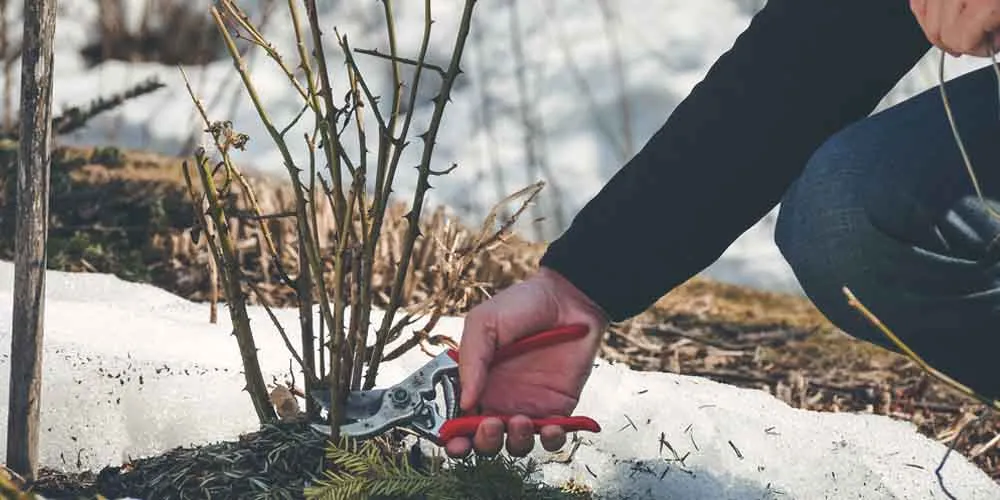
Outdoor gardening is a workout! You have to dig, plant, weed, water, prune, and harvest—all of which take time and energy. If you have a big garden, keeping up with everything can feel like a full-time job. For people with limited mobility, back problems, or busy schedules, maintaining an outdoor garden can be challenging. In contrast, indoor gardening is much easier to manage since plants are in controlled conditions and require less maintenance.
5. Requires More Space
If you don’t have a backyard, outdoor gardening isn’t really an option. While some people can grow plants on balconies or patios, it’s still not the same as having a full garden. If you live in a city or don’t have access to outdoor space, indoor gardening is often the only choice.
Conclusion
Both indoor and outdoor gardening have their pros and cons. Indoor gardening gives you full control over growing conditions, protects your plants from pests, and lets you grow year-round, but it can be expensive and requires careful monitoring. On the other hand, outdoor gardening is more natural, cost-effective, and allows for larger gardens, but it comes with the challenges of weather, pests, and seasonal limits.
Ultimately, the best choice depends on your lifestyle, budget, and gardening goals. Whether you pick indoor or outdoor growing, the important thing is to enjoy the process and watch your plants thrive! 🌿✨
FAQ: Indoor vs. Outdoor Gardening
Yes, many plants can grow both indoors and outdoors, but the key to success is providing the right environment. Indoor plants may need additional care in terms of lighting and humidity, while outdoor plants will need to be protected from pests and extreme weather conditions. Some plants, like herbs or leafy greens, thrive indoors with proper lighting, while others, like fruit trees, usually do better outside.
Indoor plants generally need at least 6-8 hours of indirect sunlight per day, depending on the type. If your home doesn’t get enough natural light, you can use LED grow lights to supplement. These lights mimic natural sunlight and help plants photosynthesize effectively, especially for plants that require a lot of light like tomatoes or peppers.
Yes, many indoor plants can grow without direct sunlight, but they still need plenty of indirect light. If your space has limited natural light, look for low-light plants like pothos, snake plants, or ZZ plants. These plants are well-suited for indoor environments with less exposure to the sun.
Yes, growing food indoors is definitely possible! Many people successfully grow herbs, leafy greens, and even dwarf vegetables indoors using containers, hydroponics, or grow tents with LED grow lights. While you may not be able to grow large crops like corn or pumpkins indoors, smaller plants like tomatoes, lettuce, and peppers can thrive with the right setup.
Overwatering is one of the most common problems in indoor gardening. Signs that your plants might be getting too much water include yellowing leaves, wilting, or root rot (a bad smell coming from the soil). To avoid overwatering, ensure that your pots have drainage holes and always check the soil moisture before watering again.
