

When it comes to hobby grow at home, the right grow light can make all the difference, especially if you’re working with a 5×5 grow tent. This size tent is popular among growers for its ample space, which can accommodate a substantial number of plants. However, to maximize your yield and ensure healthy plant growth, choosing the best grow light for 5×5 tent is crucial.
In this article, we’ll guide you through major things you need to know about selecting the perfect grow light for 5×5 grow tent. Whether you’re a seasoned grower or just starting, our comprehensive guide will help you make an informed decision that will set your garden up for success.
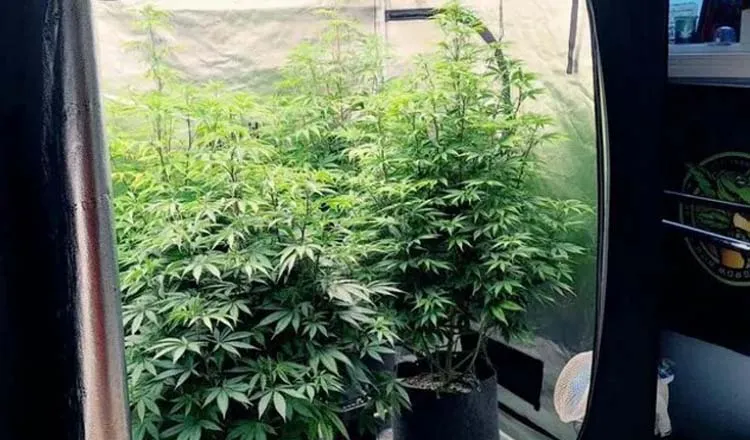
Understanding the Requirements for a 5×5 Grow Tent
When setting up a grow tent that measures 5×5 feet, it’s crucial to select a grow light that meets the specific needs of this space. Here’s what you need to know to ensure you choose the right light for your setup:
Light Coverage
A 5×5 grow tent has an area of 25 square feet. For your grow light to be effective, it must provide even coverage across this entire space. A light that’s too small may result in uneven growth, with some plants receiving too much light while others get too little. Look for lights designed specifically for this coverage area, or those that can be adjusted to ensure uniform light distribution.
Light Intensity
The intensity of light is measured in Photosynthetically Active Radiation (PAR) or Photosynthetic Photon Flux Density (PPFD). For a 5×5 tent, you need a grow light that delivers high PPFD levels to support vigorous plant growth. Typically, a light intensity of around 800-1000 µmol/m²/s is ideal for most stages of plant growth. Be sure to check the light’s specifications to confirm that it meets these requirements.
Light Spectrum
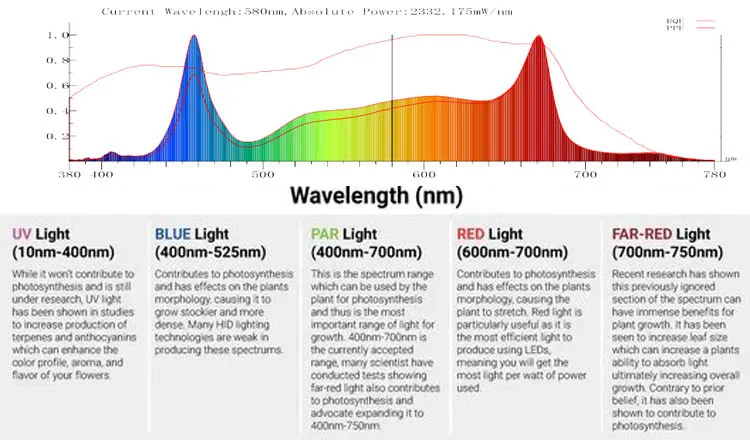
The spectrum of light provided by your grow light affects plant growth and development. A full-spectrum light mimics natural sunlight and supports plants through all stages of growth, from seedling to flowering. However, some plants may benefit from specific wavelengths, such as more red light during the flowering phase or blue light during vegetative growth. Ensure the grow light you choose has a spectrum that matches your plants’ needs.
- Blue Light (400-500nm): Essential for vegetative growth, promoting strong roots and healthy foliage.
- Red Light (600-700nm): Crucial during the flowering stage, encouraging bud development and increased yields.
- IR and UV Light: Some advanced grow lights include infrared (IR) and ultraviolet (UV) wavelengths, which can enhance plant health, increase resin production, and improve the overall quality of your harvest.
Energy Efficiency
Energy efficiency is an important factor, both for your budget and for reducing the environmental impact. Modern LED grow lights offer high efficiency, providing more light per watt of energy consumed compared to traditional lighting options like HID or fluorescent lights. Look for lights with high lumens per watt and energy-saving features to ensure you get the most out of your investment. When choosing a light, consider:
- Wattage: For a 5×5 tent, a grow light with a power range of 600-1000 watts is typically sufficient.
- Energy Efficiency: Look for lights with high efficacy ratings, expressed as μmol/J (micromoles per joule), which indicate how efficiently the light converts electricity into usable light for your plants.
Heat Output
Excessive heat can stress your plants and necessitate additional cooling measures. LED grow lights are known for their low heat output, which helps maintain a stable environment in your grow tent. Check the heat dissipation features of the grow light, such as built with efficient heat sinks, to prevent overheating.
Dimming and Control Options
Flexibility in controlling light intensity is important for different stages of plant growth. Many modern grow lights come with dimming features, allowing you to adjust the brightness as needed:
- Dimming Knob: Easily adjust the light intensity without needing additional equipment.
- Programmable Controllers: Some grow lights can be connected to external controllers that let you automate light schedules and intensity levels.
Durability and Build Quality
A well-built grow light will last longer and perform better. Look for lights with:
- Sturdy Construction: Materials like aluminum are common for their durability and heat dissipation properties.
- Warranty: A good warranty is a sign of a manufacturer’s confidence in their product. Aim for at least a 3-5 year warranty to protect your investment.
Price and Value
While budget is always a consideration, remember that you often get what you pay for. Investing in a high-quality grow light might cost more upfront but can save you money in the long run by delivering better yields and lasting longer. Compare the price against the features offered to determine the best value for your specific needs.
By focusing on these key features, you can narrow down your options and choose a grow light that will provide the best environment for your plants. In the next section, we’ll show you a best 5×5 grow light.
Best 5×5 grow light
With so many grow lights on the market, finding the perfect one for your 5×5 grow tent can be overwhelming. To help you make an informed decision, we’ve selected the best grow lights for you, which is highly rated for its performance, coverage, and value.
3-way dimming grow lights 800w 1000w
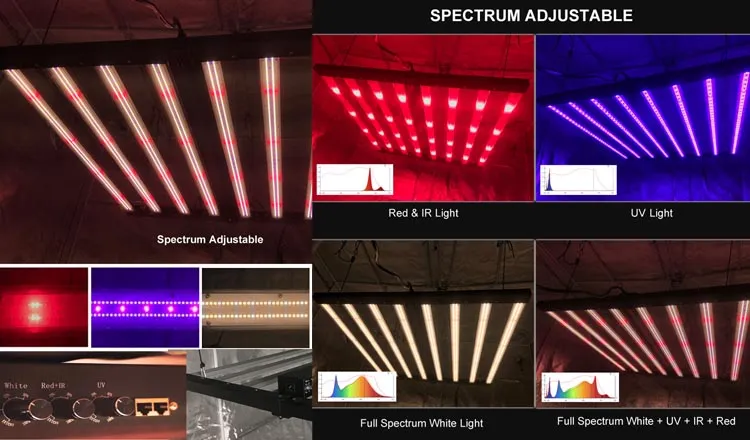
This powerful LED grow light is designed specifically for larger grow tents and professional cultivation. It’s the top choice for 5×5 spaces and hobby grower. It offers am adjustable spectrum functions, ensuring your plants get the right light for each stage of growth.
- Coverage Area: 5×5 ft at optimal area
- Power: 800W & 1000w
- Spectrum: Full spectrum with red, blue uv and ir light, spectrum is adjustable, and dimmable supported.
- PPF Output: >2240µmol/s
- Features: Spectrum adjustable, dimming knob, daisy chain capability, efficient heat sinks
- Warranty: 5 years
- Price: $258 / $298
Pros:
- Adjustable spectrum for delicate growing.
- Excellent light coverage with uniform distribution
- High PPFD output suitable for all growth stages
- Energy-efficient with low heat output
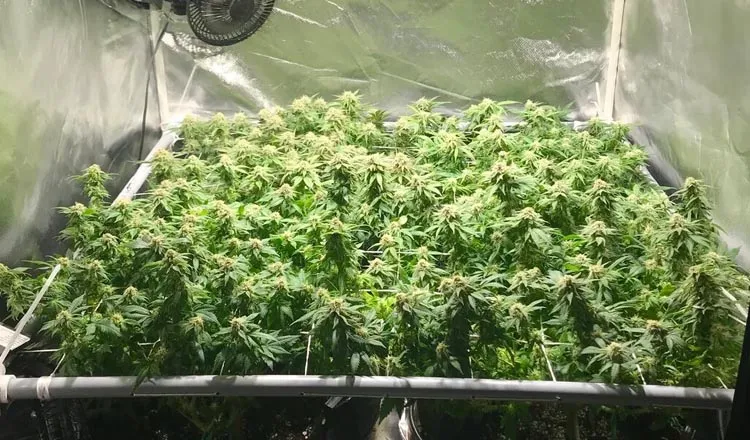
Tips for Setting Up and Optimizing Your Grow Light in a 5×5 Tent
Once you’ve selected the perfect grow light for your 5×5 tent, the next step is setting it up and optimizing its performance to ensure your plants thrive. Here are some tips to help you get the most out of your grow light:
Positioning Your Grow Light
Proper positioning of your grow light is crucial for ensuring even light distribution and preventing issues such as light burn or uneven growth.
Height Adjustment: The ideal height for your grow light will depend on the stage of plant growth. As a general rule:
- Seedling Stage: Position the light 24 to 36 inches above the canopy.
- Vegetative Stage: Lower the light to 18 to 24 inches to encourage healthy foliage growth.
- Flowering Stage: Position the light 12 to 18 inches above the canopy to maximize light intensity and support flowering.
- Also you can dim the light instead of adjusting canopy height.
Centering the Light: Ensure the light is centered in the tent to provide uniform coverage. For large lights, the center should align with the middle of your plant canopy.
Managing Heat and Ventilation
Proper heat management is essential to maintain an optimal growing environment.
- Ventilation Setup: Ensure your tent has adequate ventilation to prevent heat buildup. Use exhaust fans to remove hot air and circulate fresh air into the tent.
- Monitor Temperature: Keep a close eye on the temperature inside your tent, especially during the flowering stage. Ideal temperatures typically range from 70°F to 85°F, depending on the plant type.
- Use Cooling Fans:Cnsider using additional fans or cooling systems to keep the environment temperature within the optimal range.
Maximizing Light Coverage
To ensure all plants receive adequate light, consider the following tips:
- Reflective Tent Lining: Most grow tents come with reflective linings that help maximize light coverage by reflecting light onto the plants. Ensure your tent’s lining is clean and in good condition.
- Use Light Movers: If you notice that some areas of your tent receive less light, you can use light movers to slightly shift the position of the light during the day, ensuring even coverage.
- Supplemental Lighting: Under canopy lights are the perfect supplemental lighting to add lights for the inter plants.
Optimizing Light Schedules
Light schedules play a critical role in plant growth, particularly during the vegetative and flowering stages.
- Seedling Stage: Provide 18-24 hours of light to encourage strong initial growth.
- Vegetative Stage: A light schedule of 18 hours on and 6 hours off is typical during this stage to promote vigorous foliage development.
- Flowering Stage: Switch to a 12/12 light schedule (12 hours on, 12 hours off) to trigger flowering in photoperiod plants like cannabis. Maintaining strict darkness during the off hours is crucial for healthy flowering.
Monitoring Plant Health
Regularly check your plants for signs of light stress, such as yellowing leaves, curling, or burnt tips, and adjust the light height or intensity accordingly.
- Light Burn: If the leaves closest to the light start to bleach or develop brown spots, raise the light or dim it to reduce intensity.
- Stretching: If your plants are stretching excessively, they may not be receiving enough light. Lower the light or increase the intensity to promote compact growth.
Regular Maintenance
To keep your grow light performing at its best, perform regular maintenance checks.
- Clean the Light Lenses: Dust and debris can accumulate on the light lenses, reducing their effectiveness. Clean the lenses regularly with a soft, damp cloth.
- Check for Faults: Periodically inspect the light for any signs of malfunction, such as flickering, unusual noises, or uneven light distribution. Address any issues immediately to avoid disrupting your plants’ growth.
- Monitor PPFD Levels: If possible, use a PPFD meter to measure the light intensity at the canopy level. This helps ensure your plants are receiving the optimal amount of light at each stage.
By following these tips, you can optimize the performance of your grow light and create the ideal environment for your plants to flourish in your 5×5 tent. With careful setup and ongoing maintenance, you’ll be well on your way to a successful and bountiful harvest.
Common Mistakes to Avoid When Using Grow Lights in a 5×5 Tent
Even with the best grow light and setup, mistakes can still happen that can negatively impact your plants. Here’s a guide to some common mistakes and how to avoid them:
Overwatering Due to Increased Light Intensity
One common mistake is overwatering plants when increasing light intensity. More light doesn’t mean your plants need more water, but the increased heat can cause faster evaporation, leading growers to water more frequently.
- Solution: Monitor soil moisture levels regularly. Use a moisture meter or simply check the soil with your finger. Water only when the top inch of soil is dry.
Incorrect Light Spectrum for Plant Stage
Using the wrong light spectrum for your plants’ growth stage can lead to poor development, such as weak stems or delayed flowering.
- Solution: Use a full-spectrum light that covers all stages of growth, or ensure you switch to a red-rich spectrum during the flowering phase if using a targeted spectrum light. Always match the spectrum to the current growth stage of your plants.If you not sure which spectrum is better, contact us to get supports, we are always here.
Failing to Maintain Equipment
Dust, dirt, and debris can accumulate on your grow light, reducing its efficiency and possibly leading to overheating.
- Solution: Clean your grow light regularly, including the lenses and any fans or vents. Regular maintenance can extend the lifespan of your light and ensure consistent performance.
Overlooking Ventilation and Heat Management
Without proper ventilation, the heat generated by grow lights can create an environment that’s too hot and humid, leading to mold, pests, and plant stress.
- Solution: Invest in a good ventilation system that includes exhaust fans, intake fans, and circulation fans. Monitor temperature and humidity levels regularly to maintain optimal conditions.
Not Adjusting Light Intensity for Plant Growth Stages
Keeping the light intensity constant throughout all growth stages can lead to issues like slow growth or light burn.
- Solution: Use a dimmable grow light or adjust the height of your light to manage intensity. Increase intensity during the vegetative stage and maximize it during flowering, but always monitor your plants for signs of stress.
By being aware of these common mistakes and how to avoid them, you can ensure your grow light setup is optimized for success. Paying attention to the details and maintaining your equipment will help you achieve the best possible results from your 5×5 tent setup.
Conclusion
Choosing the right grow light for your 5×5 tent is crucial to the success of your indoor garden. With the right light, your plants can thrive, producing healthy foliage, strong stems, and abundant yields. Throughout this guide, we’ve covered everything from understanding the importance of grow lights, selecting the best light for your space, setting up and optimizing your equipment, and avoiding common pitfalls.
Key Takeaways:
- Understand Your Needs: Consider the specific needs of your plants, the goals of your grow, and your budget when selecting a grow light. A well-chosen light can make all the difference in your plant’s health and productivity.
- Optimize Setup: Properly setting up your grow light involves more than just hanging it in your tent. Pay attention to height, angle, and light distribution to ensure all your plants receive adequate light.
- Monitor and Adjust: Continuously monitor your plants and adjust your grow light’s intensity and height as needed. This ensures your plants are getting the optimal amount of light throughout their growth stages.
- Avoid Common Mistakes: Be mindful of potential issues like overwatering, improper light spectrum, or poor ventilation. Addressing these issues early can prevent major setbacks.
- Invest in Quality: While budget is important, investing in a high-quality grow light can lead to better results and greater efficiency in the long run.
By following the steps and tips outlined in this guide, you’ll be well on your way to creating a thriving indoor garden in your 5×5 tent. Whether you’re growing vegetables, flowers, or medicinal plants, the right grow light will help you achieve the best results possible.
If you’re ready to take the next step in your growing journey, explore our selection of grow lights today and find the perfect light for your 5×5 tent. Whether you’re a beginner or an experienced grower, we have the right solution to meet your needs. Don’t hesitate to reach out to our team for personalized advice and recommendations. Start growing smarter and stronger with our trusted products!
Frequently Asked Questions (FAQs)
To further assist you in selecting and using the best grow light for your 5×5 tent, here are answers to some of the most common questions we receive:
For a 5×5 tent, you typically need between 600 to 1000 watts of actual power draw to ensure sufficient light coverage for all your plants. However, this can vary depending on the type of light and the specific needs of your plants. LED grow lights are often more efficient, so a high-quality LED in the 800W range can be just as effective as a higher wattage HID light.
The number of plants you can grow in a 5×5 tent depends on the size of the plants and the growing method. For example:
- Sea of Green (SOG) Method: You can grow 16-20 small plants.
- Screen of Green (ScrOG) Method: Around 4-6 larger plants.
- Standard Method: Typically, 9 plants if each plant has enough space to spread out.
This depends on the growth stage of your plants:
- Seedling Stage: 18-24 hours of light.
- Vegetative Stage: 18 hours of light, 6 hours of darkness.
- Flowering Stage: 12 hours of light, 12 hours of darkness.
It’s important to mimic natural light cycles to support healthy plant development.
Yes, you can use a grow light without a grow tent, but tents offer several advantages, including:
- Better light reflection and distribution.
- Improved control over environmental factors like temperature and humidity.
- Protection from pests and contaminants.
Without a tent, you’ll need to carefully manage these factors in your grow space.
- Adjustable Full-Spectrum Grow Lights: These lights cover a broad range of wavelengths, mimicking natural sunlight and supporting all stages of plant growth.
- Targeted-Spectrum Grow Lights: These lights focus on specific wavelengths (e.g., blue for vegetative growth, red for flowering). They can be more efficient but may require switching lights as plants progress through different growth stages.
Signs of too much light include:
- Leaf Burn: Leaves turn yellow or brown, particularly at the tips.
- Bleaching: Leaves lose color, turning white or light yellow.
- Curling: Leaves curl up or down, often due to light stress.
If you notice these symptoms, raise your grow light or reduce the intensity to prevent further damage.
LED grow lights are generally low-maintenance, but here are a few tips:
- Keep LedsClean: Dust and debris can accumulate on the lenses, reducing light output. Clean them regularly with a soft cloth.
- Check for Malfunctions: Regularly inspect your light for flickering or unusual noises.
- Ensure Proper Ventilation: Although LEDs produce less heat, they still need proper airflow to prevent overheating.
Yes, mixing different types of grow lights, such as combining top lighting grow lights with undercanopy lights, can be beneficial. This allows you to provide a sufficient lights above and low. Just be mindful of the overall power draw and heat generation to maintain a balanced environment.
The lifespan of a grow light depends on the type:
LED Grow Lights: Typically last 50,000 to 100,000 hours.
Even if your light is still functional, you may want to replace it if you notice a significant drop in light intensity or if newer, more efficient models are available.
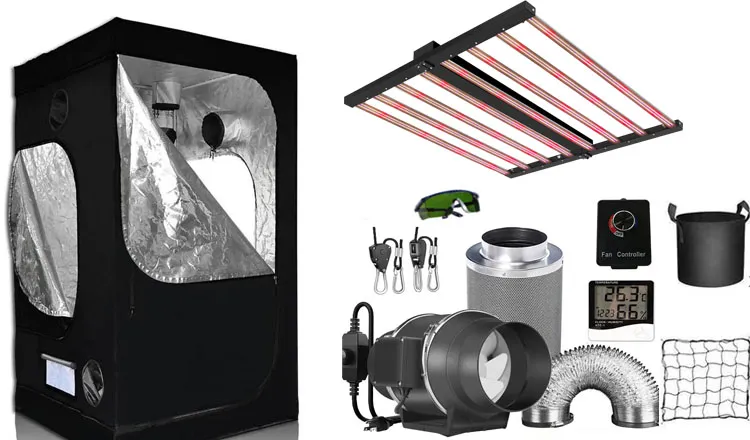
In addition to a high-quality grow light, consider the following equipment:
- Ventilation System: To manage temperature and humidity.
- Timers: To automate light cycles.
- Humidifier/Dehumidifier: To control humidity levels.
This combination of tools will help you create the ideal environment for your plants to thrive.
If you want to be easy, buying complete grow kits directly. We can provide it to you.
This FAQ section aims to address the most pressing concerns growers have when setting up and using a grow light in a 5×5 tent. If you have additional questions or need personalized advice, feel free to reach out to our customer support team. We’re here to help you achieve the best possible results with your indoor garden.
