
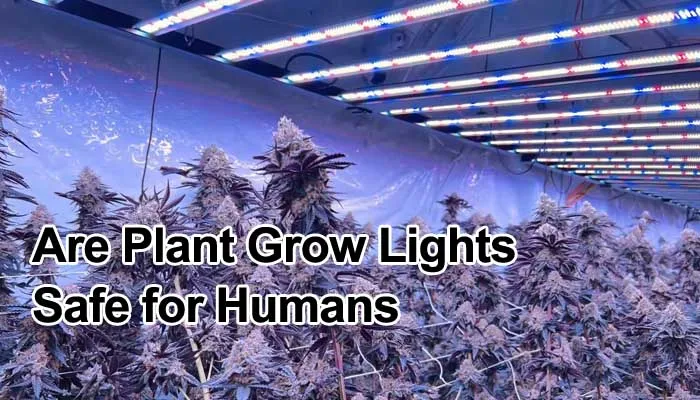
Modern technology has revolutionized agriculture and indoor farming, making it easier than ever to grow plants without relying solely on natural sunlight. Among the most significant innovations are grow lights for indoor plants, especially LED grow lights, which replicate sunlight and provide the necessary spectrum for plant growth. However, questions often arise, such as: “Are plant grow lights safe for humans?” or “Can grow lights hurt your eyes?” This guide will explore these concerns in detail, addressing the potential risks of using grow lights and offering practical safety tips.
Are Plant Grow Lights Safe for Humans?
In general, full spectrum LED grow lights are safe for humans when used properly. These lights are designed to provide plants with the light spectrum they need for photosynthesis, typically mimicking natural sunlight.
However, some grow lights, particularly those emitting ultraviolet (UV) rays, can pose risks to human skin and eyes if safety precautions are not followed. Additionally, high-intensity lights like High-Pressure Sodium (HPS) or Metal Halide (MH) lights may produce significant heat, increasing the risk of burns or overheating the surrounding area.
LED grow lights are considered safer compared to older technologies because they produce less heat and do not emit harmful UV-C radiation, which is the most dangerous type of UV light. Still, users should remain cautious, especially with prolonged exposure.
What Types of Light Can Be Dangerous?
All types of light, even natural sunlight, can be harmful with prolonged or excessive exposure. The electromagnetic spectrum consists of various types of radiation, including ultraviolet (UV), visible light, and infrared (IR). Here’s a closer look at which types of light can be dangerous:
Ultraviolet (UV) Light:
- UV light is invisible to the human eye and is classified into UVA, UVB, and UVC rays.
- UVC rays are the most harmful, but fortunately, they are blocked by Earth’s atmosphere and are not emitted by most grow lights.
- UVA and UVB rays, which are found in both sunlight and some grow lights, can damage the skin and eyes with prolonged exposure.
Visible Light:
- While visible light is generally safe, overexposure to intense light sources, such as full spectrum LED grow light strips, can strain the eyes and lead to discomfort.
Infrared (IR) Light:
- IR light produces heat, which can cause burns or overheating if you’re too close to a high-intensity light source for extended periods.
In summary, understanding the type of light being emitted by your grow lights is crucial for ensuring safety.
Can Grow Lights Hurt Your Eyes?
A common concern is whether grow lights can damage your eyes. The answer depends on the type of light and duration of exposure. Some full spectrum LED grow lights are with UV leds, which can be harmful to the eyes, especially with prolonged exposure.
The human cornea cannot filter UVA rays effectively, making them potentially harmful. Symptoms of overexposure to UV light include eye strain, irritation, and, in severe cases, conditions like photokeratitis (essentially a sunburn on the cornea).
To protect your eyes:
- Wear protective goggles designed for grow lights.
- Avoid staring directly at the light source.
- Use grow tents or barriers to block excessive light exposure.
By taking these precautions, you can safely use grow lights without worrying about eye damage.
Do LED Grow Lights Emit UV Rays?
While plants do not require UV rays for photosynthesis, UV light can benefit plants in other ways, such as pest resistance, nutrient enhancement, and faster growth. Some plant grow lights, particularly specialized LED grow lights, emit small amounts of UV rays to improve plant health. However, most LED grow lights do not emit UV-C rays, which are the most harmful.
For example, full spectrum LED grow light strip are designed to emit a balanced spectrum of light, including visible and infrared light, but typically exclude dangerous UV-C radiation. If you’re still concerned, using a grow tent is a great way to block UV emissions and protect yourself while optimizing plant growth.
Are Plant Grow Lights Safe for Humans?
The short answer is yes, plant grow lights are safe for humans when used correctly. However, like any artificial light source, precautions should be taken to minimize risks. Comparing grow lights to mobile screens is helpful: mobile screens emit blue light, which can strain the eyes but is manageable with proper precautions. Similarly, grow lights pose minimal risks when protective measures are followed.
To ensure safety:
- Avoid prolonged direct exposure to grow lights.
- Maintain a safe distance (at least 3 feet) from high-intensity light fixtures.
- Wear protective clothing and glasses when working near grow lights for extended periods.
Do LED Lights Cause Cancer?
Another frequently asked question is: “Do LED lights cause cancer?” The concern arises because UV radiation, particularly UV-C, is known to increase the risk of skin cancer with regular and unprotected exposure. However, LED grow lights do not emit UV-C radiation, making them much safer than other light sources.
That said, prolonged exposure to UV-A or UV-B rays from some grow lights can still pose risks. To minimize any potential risk, use protective measures such as UV-blocking eyewear, long-sleeved clothing, and proper shielding. With these precautions in place, the risk of cancer from LED grow lights is negligible.
Are Lamps a Good Replacement for the Sun for Plants?
While lamps such as LED grow lights cannot fully replicate all the benefits of natural sunlight, they are an excellent alternative for indoor farming. Grow lights for indoor plants provide the specific spectrum of light that plants need for photosynthesis, allowing them to grow healthily without sunlight.
LED grow lights are particularly advantageous because:
- They emit a targeted spectrum tailored to plant needs.
- They operate efficiently, consuming less energy than traditional grow lights.
- They produce less heat, reducing the risk of overheating plants.
In short, while lamps are a good replacement for the sun for plants in controlled environments, they cannot completely replicate the complexity of natural sunlight. However, for indoor gardening or farming, they are indispensable tools.
Preventive Measures for Using Grow Lights
To ensure the safe use of grow lights for indoor plants, follow these preventive measures:
Wear Protective Gear:
- Use UV-blocking goggles to protect your eyes.
- Wear long sleeves and gloves to safeguard your skin.
Limit Exposure:
- Minimize the time spent directly under grow lights.
- Maintain a safe distance (at least 3 feet) from the lights.
Use Grow Tents:
- Grow tents not only optimize light for plants but also block excess radiation, protecting humans in the process.
Monitor Heat Levels:
- While LEDs produce less heat than traditional grow lights, it’s still essential to monitor the environment to avoid overheating.
By taking these precautions, you can safely enjoy the benefits of indoor gardening while protecting yourself.
Conclusion
Are plant grow lights safe for humans? The answer is yes, as long as proper precautions are taken. LED grow lights, especially full spectrum LED grow light, offer numerous advantages for indoor farming, from promoting plant growth to improving yields. While there are some risks, such as potential eye strain or UV exposure, these can be effectively managed with protective measures.
Additionally, advancements in grow light technology, such as reduced heat output and safer light spectrums, have made indoor gardening safer than ever. So, whether you’re a hobbyist or a commercial grower, rest assured that grow lights can be a safe and effective tool when used responsibly.
FAQ
1. Can Grow Lights Hurt Your Eyes?
Yes, prolonged exposure to grow lights can strain your eyes or cause irritation. Protect your eyes with UV-blocking goggles and avoid staring directly at the light.
2. Do LED Lights Cause Cancer?
LED grow lights do not emit UV-C radiation, which is the most harmful form of UV light. Proper precautions ensure minimal risk.
3. Are Lamps a Good Replacement for the Sun for Plants?
Yes, grow lights are a great alternative for indoor farming, providing the necessary spectrum for photosynthesis and plant growth.
4. How Long Should I Keep My Grow Lights On Each Day?
The amount of time you should keep your grow lights on depends on the type of plants you are growing. Here are some general guidelines:
- Vegetable plants: 12–16 hours of light per day.
- Flowering plants: Typically require 12 hours of light and 12 hours of darkness to bloom.
- Seedlings: Often require 16–18 hours of light daily to establish strong roots.
Make sure to mimic the natural photoperiod of the plant’s native environment to achieve the best results.
5. Can I Use Regular LED Lights for Plants Instead of Grow Lights?
No, regular LED lights are not designed to provide the specific light spectrum plants need for photosynthesis and growth. Plant grow lights emit targeted wavelengths (such as blue and red light) that optimize plant health, while regular LEDs are built for human lighting needs and lack these benefits.
6. Do Grow Lights Increase My Electricity Bill?
Yes, grow lights can increase your electricity bill, but LED grow lights are highly energy-efficient. For example:
- A small LED grow light strip consumes significantly less energy compared to traditional HPS or MH lights.
- Using timers and adjusting the light schedule to your plants’ needs can help reduce energy costs further.
7. Can Grow Lights Be Used for All Types of Plants?
Yes, grow lights can be used for all types of plants, but different plants have different light requirements. For instance:
- Leafy greens like lettuce and spinach thrive under blue light.
- Flowering plants like tomatoes and peppers benefit from a mix of red and blue light.
- Succulents and cacti require intense light, so high-output grow lights are best.
8. Are There Any Risks of Overusing Grow Lights for Plants?
Yes, overusing grow lights can harm plants. Too much light can cause:
- Light burn: Leaves may become yellow or brown and appear scorched.
- Heat stress: Even LED lights can produce heat, which can dry out soil and damage plant roots.
- Nutrient deficiency: Excessive light can force plants to grow too quickly, depleting available nutrients.
Always monitor your plants’ response to light and adjust the intensity and duration as needed.
9. Can I Leave Grow Lights on 24/7 for Plants?
No, plants need a dark period to rest and carry out certain biological processes, such as respiration. Leaving grow lights on 24/7 can stress plants and inhibit their growth. A good rule of thumb is to provide 12–16 hours of light per day, depending on the plant species.
10. Are Grow Lights Safe Around Pets?
Generally, grow lights are safe around pets, as long as the lights are used correctly. However, take precautions:
- Avoid placing grow lights within reach of pets to prevent accidental burns or damage to the fixture.
- If the grow lights emit UV rays, limit your pets’ exposure to avoid potential skin or eye irritation.
11. Can Grow Lights Attract Bugs?
Yes, grow lights can attract bugs, especially if they emit UV or blue light, which many insects are drawn to. To minimize this problem:
- Use grow lights designed to emit light that does not attract insects.
- Ensure your growing area is well-sealed to prevent bugs from entering.
12. How Do I Know If My Plants Are Getting Too Little or Too Much Light?
Signs of too little light:
- Slow growth.
- Pale or yellow leaves.
- Stretched, leggy stems.
Signs of too much light:
- Scorched or curled leaves.
- Dry soil despite regular watering.
- Leaves turning brown at the tips.
