

Plant cloning is an exciting and accessible way to propagate plants, but it can also raise many questions: “Can I clone a clone plant?”, “How much light do clones need?”, “What is the best medium for cloning?” and more. This guide will walk you through everything you need to know about cloning plants, including cloning in soil, cloning in Rockwool, and even cloning in water. Whether you’re cloning cannabis, houseplants, or flowers, this detailed guide will help you successfully propagate healthy clones.
What Is Plant Cloning?
Plant cloning is the process of creating genetically identical plants from a “parent” plant. Unlike growing plants from seeds, which can produce variations, cloning ensures that the new plant (the “clone”) inherits all the traits of the parent plant.
The basic process involves cutting a stem or branch from a healthy mother plant, treating it with rooting hormones, and planting it in a suitable medium like soil, Rockwool, or water. Within 1-3 weeks, roots should develop, and the cutting will grow into an independent plant.
A common question is, “Can you clone a cloned plant?” The answer is yes. A clone can be used as a mother plant for future cloning, but repeated cloning can weaken genetic traits over time, so it’s best to use a strong mother plant.
The Best Way to Clone a Plant
There are several methods to clone plants, including soil, water, and Rockwool. Each has benefits, but the best method depends on your preferences, materials, and plant type.
1. Cloning in Soil
Cloning in soil is straightforward and effective for many plants. To begin:
- Choose a well-draining soil, such as a seedling mix or light potting soil.
- Cut a healthy stem from the parent plant (4-6 inches long, just below a node).
- Dip the cut end into a rooting hormone and plant it in the soil.
- Cover the container with a humidity dome (e.g., a plastic bag).
- Keep the soil moist and the environment humid for the first few weeks.
2. Cloning in Water
Cloning in water is a simple, low-cost method that works well for many plants. Here’s how to do it:
- Cut a 4-6 inch stem from the parent plant below a node.
- Remove lower leaves and place the cutting in a glass of clean, filtered water.
- Keep the water fresh by changing it every 2-3 days.
- Place the glass in indirect sunlight or under a grow light.
- After 1-2 weeks, roots should begin to form. Once roots are about 2 inches long, transplant the clone into soil or another medium.
This technique is especially common for soft-stemmed plants but is also effective for cloning weed in water.
3. Cloning in Rockwool
Rockwool cloning is a popular method for propagating plants such as cannabis. Rockwool cubes retain moisture, provide excellent aeration, and are easy to manage. To begin:
- Soak Rockwool cubes overnight in water with a 4.5-5.5 pH balance.
- Cut a stem from the mother plant and dip it in rooting hormone.
- Insert the cutting into a pre-made hole in the Rockwool cube.
- Place the cubes in a Rockwool cloner or a tray with a humidity dome.
- Mist the clones daily and keep the environment at 70-80% humidity.
- Use grow lights to provide 16-18 hours of indirect light per day.
Rockwool is an excellent medium, but some growers worry about Rockwool clones not rooting after 3 weeks. This issue can stem from overwatering, low humidity, or poor-quality mother plants. Adjusting these factors can improve success rates.
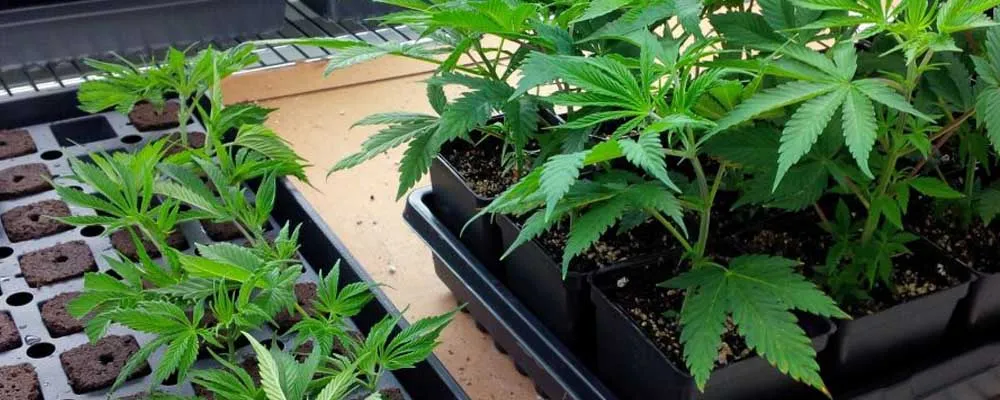
Step-by-Step Guide to Cloning Plants
Here’s a complete guide on how to grow clones:
1. Prepare Your Materials
- Cloning kits for plants (optional): These often include trays, domes, and rooting gels.
- A healthy mother plant.
- A sharp, sterilized knife or scissors.
- Rooting hormone.
- Your chosen medium: soil, water, or Rockwool.
- A humidity dome or plastic bag.
2. Choose and Cut the Stem
- Select a lateral (side) stem, not a terminal (top) stem.
- Make a diagonal cut just below a node.
- Remove lower leaves and flower buds to reduce water loss.
3. Apply Rooting Hormone
- Dip the cut end of the stem into a rooting gel or powder. This encourages faster root development.
4. Plant the Cutting
- In soil: Insert the cutting into a small hole and gently press the soil around it.
- In water: Submerge the cutting in a glass of water, ensuring the node is underwater.
- In Rockwool: Insert the cutting into the pre-soaked Rockwool cube.
5. Create a Humid Environment
- Cover the plant with a plastic bag or humidity dome to maintain moisture.
- Mist the clone daily to prevent it from drying out.
6. Provide Light and Care
- How much light do clones need? Clones require 16-18 hours of indirect light per day. Use grow lights if cloning indoors.
- Keep the temperature around 70-75°F (21-24°C).
- Water the clones regularly, but avoid overwatering.
7. Root Development
- Most clones will begin to root within 7-14 days, though some may take up to 3 weeks. If roots haven’t formed after 3 weeks, check for issues like poor humidity, overwatering, or stem rot.
Conclusion
Cloning plants is an effective way to propagate your favorite plants, whether you’re growing cannabis, flowers, or vegetables. By using the right techniques—whether cloning in Rockwool, soil, or water—you can ensure a high success rate. With proper care and attention, your clones will root, grow, and thrive.
So, grab your cloning kits, select a healthy parent plant, and start cloning today!

Common Questions About Cloning Plants
Cloning plants can seem tricky at first, but once you get the hang of it, it’s actually pretty simple. Still, there are lots of questions people ask about the process. Let’s dive into some of the most common ones (and a few fun extras)!
1. Can I clone a clone plant?
Yes, you totally can! A cloned plant can be used as a “mother plant” to make more clones. However, keep in mind that if you keep cloning clones over and over, the plant’s genetics might weaken, which could lead to slower growth or less healthy plants. It’s always best to start with a strong, healthy mother plant.
2. How long does it take for clones to grow roots?
Most clones will start showing roots within 7-14 days, but some might take up to 3 weeks. If your clones aren’t rooting after 3 weeks, don’t panic! Check for common issues like:
- Is the humidity too low? Clones need a humid environment to thrive.
- Is the medium (soil, Rockwool, or water) too wet or too dry? Too much water can cause rot, and too little can dry out the cutting.
- Is the temperature too cold? Clones do best in temperatures around 70-75°F (21-24°C).
Sometimes, it’s just a matter of being patient. Plants don’t always work on our schedule!
3. How much light do clones need?
Clones need plenty of indirect light—about 16-18 hours a day. If you’re cloning indoors, grow lights are a great option because you can control the light intensity. Avoid giving clones direct sunlight at this stage because they’re delicate and can dry out or burn easily.
4. Can you plant Rockwool in soil?
Definitely! If you’ve been cloning in Rockwool, you can easily transplant your clone (Rockwool cube and all) into soil. Just dig a hole in the soil, place the cube inside, and cover it up with a bit of dirt. The roots will naturally grow through the Rockwool and into the soil.
5. What’s the best medium for cloning?
This really depends on what you’re comfortable with and the plant you’re cloning. Here are some common options:
- Soil: Easy to use and beginner-friendly. Choose a light, well-draining mix like seedling soil for the best results.
- Rockwool: Great for keeping moisture and air balance, but it needs preparation (soaking overnight in pH-balanced water).
- Water: Perfect for beginners and works well for soft-stemmed plants. Just change the water every few days to keep it fresh.
6. Can clones flower?
Yes, clones can flower just like the parent plant, but they need to go through the vegetative stage first. If you’re cloning in flower (taking cuttings from a plant that’s already flowering), it’s possible for the clone to grow roots and revert back to the vegetative stage, but it may take longer than usual.
7. Can you clone marijuana plants?
Absolutely! Cloning marijuana plants is a common way to preserve the genetics of a strong “mother” plant. Here’s a quick rundown:
- Choose a healthy mother plant at least 2 months old.
- Take 4-6 inch cuttings from the lower branches.
- Dip the cut ends in rooting hormone and plant them in your chosen medium (soil, water, or Rockwool).
- Keep the clones warm, humid, and under indirect light for the first couple of weeks.
With patience and care, you’ll have new cannabis plants ready to grow in no time!
8. What’s the easiest way to start cloning?
If you’re a beginner, start with cloning in water. It’s simple, cheap, and doesn’t require much equipment. Just cut a stem from your plant, stick it in a glass of water, and wait for roots to grow. Once the roots are about 2 inches long, you can plant the clone in soil or another medium.
9. Why aren’t my clones rooting?
If your clones aren’t rooting, here are some things to check:
- Too much or too little water: Overwatering can cause rot, while underwatering can dry out the cutting.
- Humidity levels: Clones love high humidity (70-80%). Use a humidity dome or cover the container with plastic wrap.
- Cutting quality: Make sure to use healthy, disease-free stems from a strong mother plant.
- Temperature: Keep the environment warm (around 70-75°F).
10. How do I care for clones after they root?
Once your clones have rooted, the hard part is over! Here’s what to do next:
- Transplant: Move them to a larger pot or directly into the soil.
- Watering clones: Keep the soil moist but not soggy. Overwatering is a common mistake.
- Light: Gradually increase light intensity as the clone grows stronger.
11. Can a clone turn into a mother plant?
Yes, a clone can grow into a mother plant, and you can use it to make more clones. Just make sure the clone is healthy and strong before you start cutting from it.
12. Do I need special equipment to clone plants?
Not necessarily! You can clone plants with basic tools like scissors, water, and soil. However, if you want to increase your success rate, consider using things like:
- Cloning kits for plants: These often include trays, domes, and rooting hormones.
- Cloning boxes for plants: These help maintain the perfect humidity and temperature.
- Grow lights: Provide consistent, controlled light for your clones.
13. What’s the difference between seedlings and clones?
A seedling comes from a seed, while a clone comes from a cutting of an existing plant. Seedlings may have genetic variations, while clones are identical to the parent plant.
14. Can I clone any plant?
Most plants can be cloned, but some are much easier than others. Soft-stemmed plants like basil, pothos, and cannabis are beginner-friendly, while woody plants like roses or fruit trees may need more time and care.
15. How do I know if my clone is healthy?
A healthy clone will:
- Have vibrant green leaves (not yellow or droopy).
- Show signs of root development within 1-3 weeks.
- Stand upright without wilting.
If the clone looks weak, check the humidity, light, and water levels to make adjustments.
Other Fun Tips for Cloning Plants
- Experiment with mediums: Try cloning in soil, water, and Rockwool to see which method works best for you.
- Cloning weed stems: If you’re cloning cannabis, remember to cut just below a node and remove lower leaves to channel energy into root growth.
- Keep it clean: Always sterilize your tools to avoid spreading diseases.
