

Introduction
With advancements in technology and the diversification of consumer needs, a variety of new nicotine intake methods have emerged in the market. These products not only innovate in form but also delve deeply into functionality and applicable scenarios, aiming to provide adult smokers with healthier and more convenient alternatives. However, for most people, these products remain relatively unfamiliar. Today, let’s explore these nicotine intake methods and to see if they have the potential to become the next driving force in the industry.
Categories of New Tobacco and Nicotine Products
According to relevant public literature, academia currently divides new tobacco and nicotine products into four categories:
- Heated Pure Nicotine-Based Products (e.g., E-cigarettes, Vaping Products)
- Non-Heated Pure Nicotine-Based Products (e.g., Nicotine Gum, Oral Pouches)
- Heated Tobacco-Based Products (e.g., Heat-Not-Burn [HNB] Products)
- Non-Heated Tobacco-Based Products (e.g., Chewing Tobacco, SNUS, collectively referred to as Smokeless Tobacco)
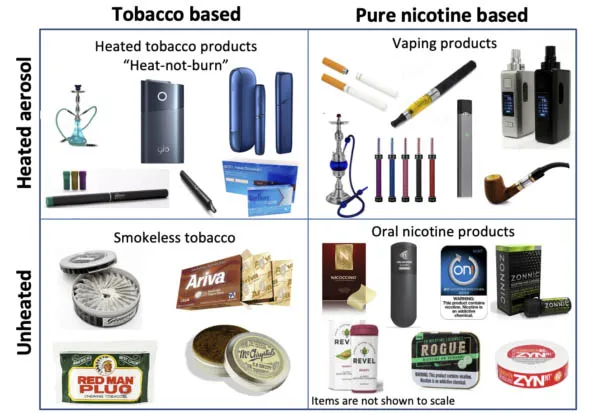
These products differ from traditional combustible tobacco, such as cigars and cigarettes, and are gradually being accepted by overseas smokers who are seeking alternatives. With the rise of nicotine pouches, international companies have increasingly focused on new nicotine intake methods. As a result, new nicotine replacement therapy products for the international market have gradually come into their view.
Nicotine Replacement Therapy (NRT) Products
Nicotine Replacement Therapy (NRT) is a medically recognized method for treating tobacco addiction. It allows people to consume nicotine through non-tobacco means such as patches, gum, lozenges, nasal sprays, or inhalers. These products contain nicotine but no tobacco; the nicotine may be extracted from tobacco plants or synthetically produced. They usually include additional ingredients such as fillers, sweeteners, and other flavorings.
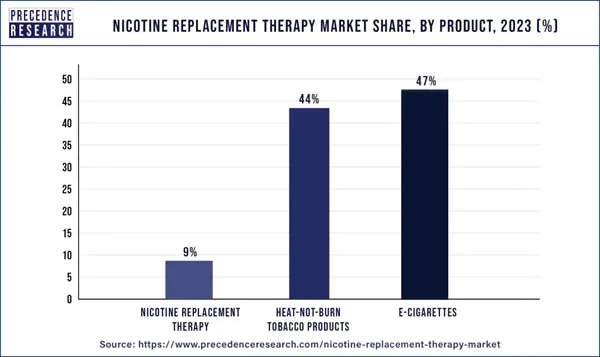
Examples of these products include Nicotine Gum, Nicotine Lozenges, Nicotine Toothpicks, Nicotine Patches, Oral Pouches, Nicotine Inhalers, Nicotine Sprays, and Nicotine Gels. In the United States, the Food and Drug Administration (FDA) has approved seven types of nicotine replacement therapy products, including nicotine patches, lozenges, gum, oral inhalers, nasal sprays, and two other medications (Bupropion and Varenicline).
Exploring by E-cigarette Companies
E-cigarette companies are continually seeking new growth opportunities and market expansions, no longer limiting their explorations to traditional e-cigarette products. Some companies have begun to venture into other sectors, introducing a range of innovative nicotine intake products that break through traditional forms and functionalities to meet the diverse needs of consumers.
Nicotine pouches
Also known as oral pouches, they are small fiber bags that can be placed directly between the gums and upper lip, allowing nicotine to be absorbed without the need for tobacco, spitting, or burning. This provides users with a new way to consume nicotine. As the industry supply chain improves, more e-cigarette companies are beginning to explore this market, hoping to capture a share of the market dominated by major multinational tobacco brands like Zyn and Velo.
E-Hookah/Shisha
E-Hookahs, also known as electronic hookahs or e-shishas, are modern devices that simulate the traditional hookah experience. Unlike traditional hookahs, where tobacco is heated by charcoal, e-hookahs use electronic heating elements to vaporize flavored e-liquid. The addition of electronic and functional features makes using hookahs more convenient and enhances the overall experience.
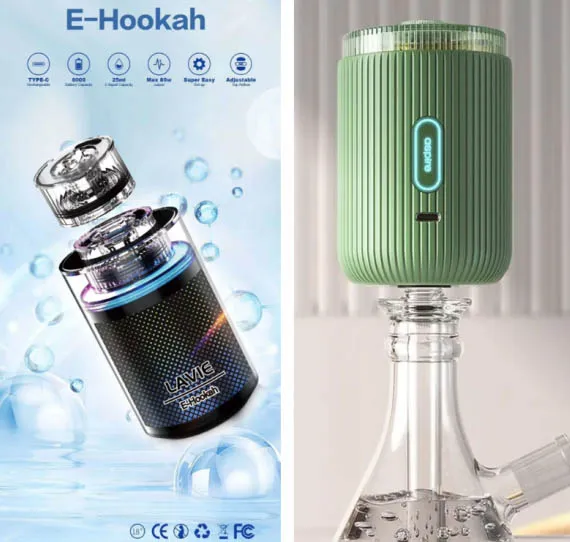
Nicotine Inhaler
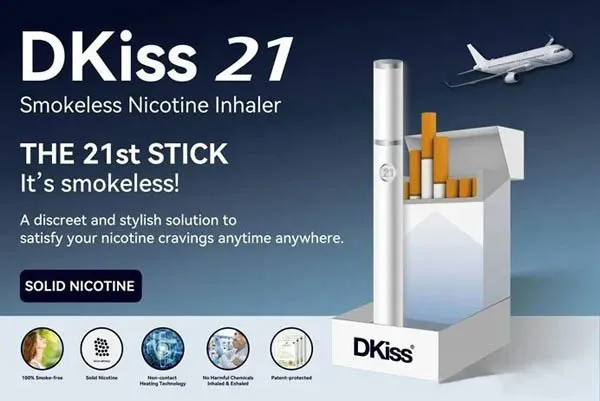
In 2023, the China manufacturer Dekang introduced the DKiss 21 Smokeless Nicotine Inhaler at InterTabac 2023, distinguishing itself from traditional e-cigarettes. Although it resembles a disposable cigalike, this product claims to produce no smoke. It releases nicotine by heating a capsule containing solid nicotine beads, making it suitable for use in any environment without affecting the surroundings or bystanders. Compact and lightweight, it can be easily carried in a pocket wherever you go.
Inhalation Nasal Vape
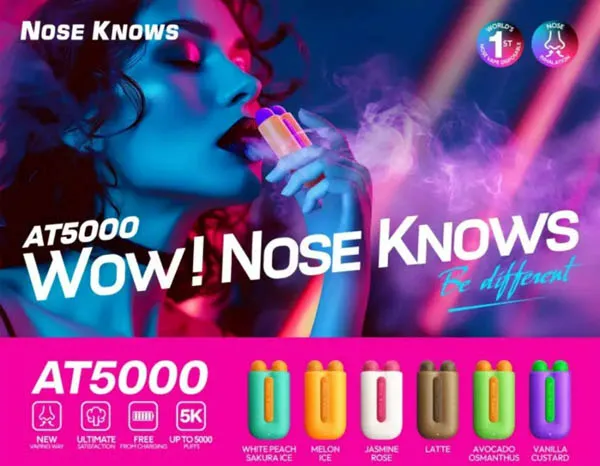
At the Champs show in the U.S. this July, Vozol launched the Nose Knows AT5000, a groundbreaking disposable device that brings a new dimension to the vaping experience. As the world’s first disposable nasal vapor product, it combines the characteristics of vaping and nasal inhalation, offering a unique way to consume nicotine. This device directly stimulates the sense of smell and provides an alternative nicotine intake scenario, successfully breaking the boundaries between nasal inhalation and vaping.
As previously mentioned, the diversity of nicotine products extends far beyond what we’ve discussed. Nicotine replacement therapies encompass a wide range of products, each with different forms and applications. These products not only showcase the innovative integration of the tobacco and medical industries but also reflect the growing market demand for health and convenience. Next, we will delve into the broader world of nicotine replacement categories:
Nicotine Gum
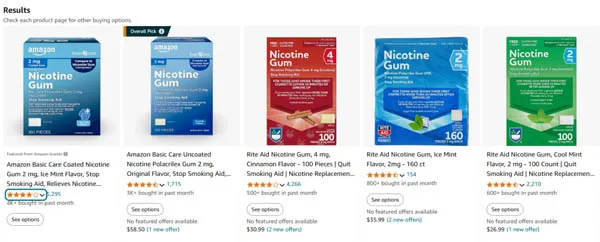
Nicotine gum is a chewing gum that typically contains the active ingredient nicotine polacrilex. It can be used on its own or in combination with other treatments to help smokers quit their addiction. The usage of nicotine gum is different from regular chewing gum. You chew it a few times and then “park” it in the space between your cheek and teeth. The nicotine is primarily absorbed through the mouth. Nicotine gum is widely available overseas through regular retail outlets, pharmacies, and online channels without the need for a prescription. It comes in a variety of flavors, including mint, cinnamon, and various fruit flavors, with dosages ranging from 2 mg to 6 mg.
Nicotine Lozenge
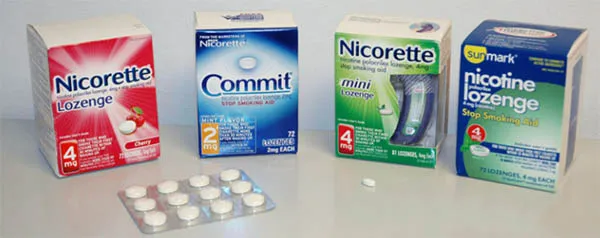
Nicotine lozenges are small, flavored tablets that are designed to improve the release of nicotine, resembling hard candies. Typically, one is placed between the gum and cheek. There’s also a sublingual version called a nicotine sublingual tablet, which is placed under the tongue. As it slowly dissolves, you may feel a warm or tingling sensation. There’s no need to chew or swallow it. Nicotine is absorbed through the lining of the mouth and enters the bloodstream. The lozenge dissolves slowly, releasing nicotine over 20 to 30 minutes. Nicotine lozenges are usually available over-the-counter and typically come in strengths of 2 mg and 4 mg.
Nicotine Patch
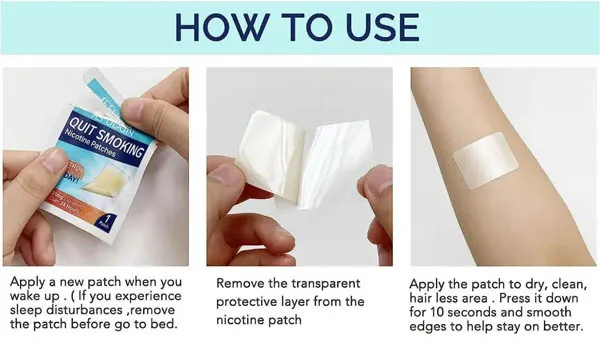
A nicotine patch is a transdermal patch that releases nicotine into the body through the skin. These patches come in various shapes and sizes. Typically, you apply a nicotine patch to your skin in the morning and leave it in place throughout the day. It releases nicotine steadily over the day, which is absorbed through your skin. In the U.S., nicotine patches are FDA-approved and are considered one of the safer nicotine replacement products for treating tobacco use disorder.
Nicotine Oral Inhaler
A nicotine oral inhaler is typically a small plastic tube resembling a thick cigar. In the U.S., it requires a doctor’s prescription to use. Unlike asthma inhalers, the nicotine is not inhaled into the lungs; instead, it is primarily absorbed at the back of the throat.

Nicotine inhalers sold as part of nicotine replacement therapy are similar to e-cigarettes but should not be confused with them. E-cigarettes generate aerosol by heating a coil, usually from tobacco extracts, whereas nicotine inhalers produce non-combusted/non-heated nicotine aerosol. Nicotine inhalers are generally easier to use than e-cigarettes, often being disposable and containing fewer components. The next-generation nicotine inhaler system VOKE, recently approved by the UK’s Medicines and Healthcare products Regulatory Agency (MHRA), is a notable example of a nicotine oral inhaler.
Nicotine Toothpicks
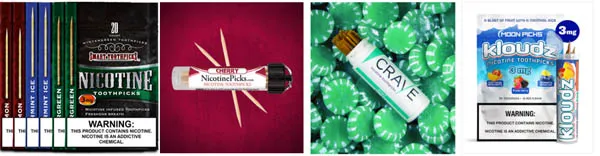
Nicotine toothpicks are an innovative nicotine delivery tool that builds on the traditional toothpick by incorporating a controlled amount of nicotine. By using the toothpick in the mouth, nicotine is rapidly absorbed through the oral mucosa, providing a quick way to relieve nicotine cravings. The portability and ease of use of nicotine toothpicks make them an ideal choice for those looking to manage their nicotine intake conveniently throughout their daily life.
Oral Nicotine Spray
Oral nicotine spray is another convenient nicotine replacement therapy product that allows for quick absorption of nicotine through the oral mucosa, helping smokers effectively manage nicotine cravings during the quitting process. This spray format is easy to carry and use, enabling users to adjust the dosage according to their needs while avoiding the harmful substances found in tobacco smoke.

Nicotine Nasal Spray
Nicotine nasal spray is another fast-acting nicotine replacement therapy. By administering nicotine through the nasal cavity, it quickly enters the bloodstream, providing almost immediate relief from nicotine cravings and helping users effectively control their urge to smoke. This nasal spray offers a convenient and controlled method of nicotine intake, meeting the body’s nicotine needs.
Nicotine Gels
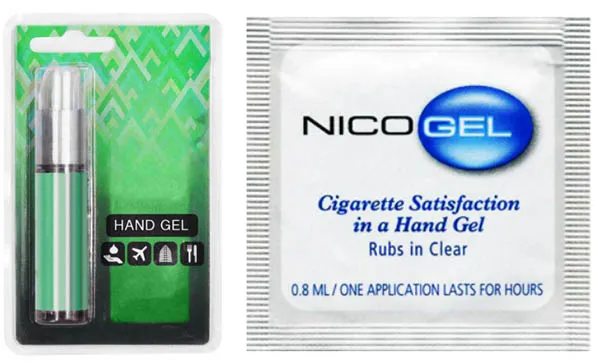
Nicotine gels are another type of tobacco product, applied to the skin for absorption. Unlike products that are heated or combusted, nicotine gels are not meant for heating or burning. They contain nicotine, which may be directly added or derived from tobacco extracts. These gels may also include additional ingredients to stabilize the product and enhance absorption, such as moisturizers like propylene glycol, preservatives, thickeners like xanthan gum, and penetration enhancers.
Nicotine Stripe
Nicotine stripes typically come in the form of oral films. These ultra-thin, biobased strips contain a specific amount of nicotine and dissolve on the tongue, eliminating the need for swallowing or chewing, and there’s no need to spit them out. They offer a convenient and fast way to provide nicotine, improving taste and portability. Nicotine stripes are a practical and smoke-free method for nicotine intake.

Conclusion
These nicotine replacement therapy products vividly illustrate the diversity and complexity of the tobacco and nicotine market, and more new forms may emerge in the future. Each product has its unique market position and consumer base. Compliance requirements for these nicotine products vary across countries, with some even being regulated as pharmaceuticals.
However, as global tobacco harm reduction measures continue to strengthen, these new products may experience ongoing transformation and integration in the coming years. The cross-industry exploration by e-cigarette companies can be seen not just as innovation but as a form of self-revolution, offering more possibilities for the industry.
It is crucial to note that they still contain nicotine, which is addictive, and no tobacco product is completely safe.
References:
- Other Tobacco Products,FDA, https://www.fda.gov/tobacco-products/products-ingredients-components/other-tobacco-products
- Quit Smoking Medicines, CDC, https://www.cdc.gov/tobacco/campaign/tips/quit-smoking/quit-smoking-medications/how-to-use-quit-smoking-medicines/index.html
Disclaimer:
This article is for industry exchange and learning purposes only and does not constitute a recommendation of any specific products.

Great article! I really appreciate the clear and detailed insights you’ve provided on this topic. It’s always refreshing to read content that breaks things down so well, making it easy for readers to grasp even complex ideas. I also found the practical tips you’ve shared to be very helpful. Looking forward to more informative posts like this! Keep up the good work!