
Welcome to our comprehensive guide to indoor gardening, where we explore the essential equipment, techniques, and parameters necessary for cultivating thriving plants indoors. Whether you’re a seasoned indoor gardener looking to refine your skills or a beginner eager to embark on your green journey, this article is your roadmap to success.
Lighting Parameters:
Wavelength:
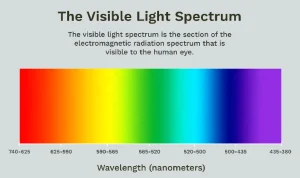
For planting, Wavelength usually refers to light wavelength. In the context of indoor growing, different wavelengths of light affect plant growth and development in various ways, influencing processes like photosynthesis, flowering, and morphology. Blue light is helpful for vegging, red light for flowering.
Spectrum:
Spectrum refers to the range of wavelengths of electromagnetic radiation emitted by a light source. In indoor growing, the spectrum of light provided by grow lights plays a crucial role in determining plant growth, health, and yield, as different wavelengths are absorbed by plant pigments and utilized for photosynthesis and other physiological processes. Usually we use full spectrum to simulate sunlight for plants growing.
Full Spectrum:
Full spectrum refers to grow lights that emit a balanced range of wavelengths across the visible spectrum (400 to 700 nanometers) as well as additional wavelengths outside this range, such as ultraviolet (UV) and far-red light. Full spectrum lighting provides plants with a more natural light source, promoting robust growth, flowering, and overall plant health. It’s close to sun light.
PAR (Photosynthetically Active Radiation):
PAR is the light energy in spectral range of solar radiation (wavelengths between 400 to 700 nanometers) that plants use for photosynthesis. It represents the portion of light energy absorbed by chlorophyll and other pigments to drive photosynthetic reactions, making it a key factor in determining the effectiveness of grow lights for plant growth.
PPFD (Photosynthetic Photon Flux Density):
PPFD measures the intensity of photosynthetically active radiation (PAR) received by plants at a specific point in space, typically expressed in micromoles of photons per square meter per second (μmol/m²/s). It provides valuable information about the light intensity reaching plant canopies, influencing plant growth, development, and yield.
Following is one of our products PPFD map and spectrum.

Efficiency:
Efficiency refers to the effectiveness or performance of a lighting system in converting electrical energy into usable light energy for plant growth. High-efficiency grow lights minimize energy consumption while maximizing light output, optimizing plant growth and reducing operating costs.
Uniformity:
Uniformity describes the even distribution of light intensity across the canopy of plants within a growing area. Achieving uniform light distribution is essential for ensuring consistent plant growth and development, minimizing shading effects, and maximizing yield potential. The bar style led grow lights is advanced uniform lighting system for indoor growing. At Maksdep, we have several kinds of bar style led grow light fixtures, 4x4ft, 4x6ft, 4x8ft, 4x10ft grow lights available. Contact us for more details or click to see our folding series.
Spectrum Tuning:
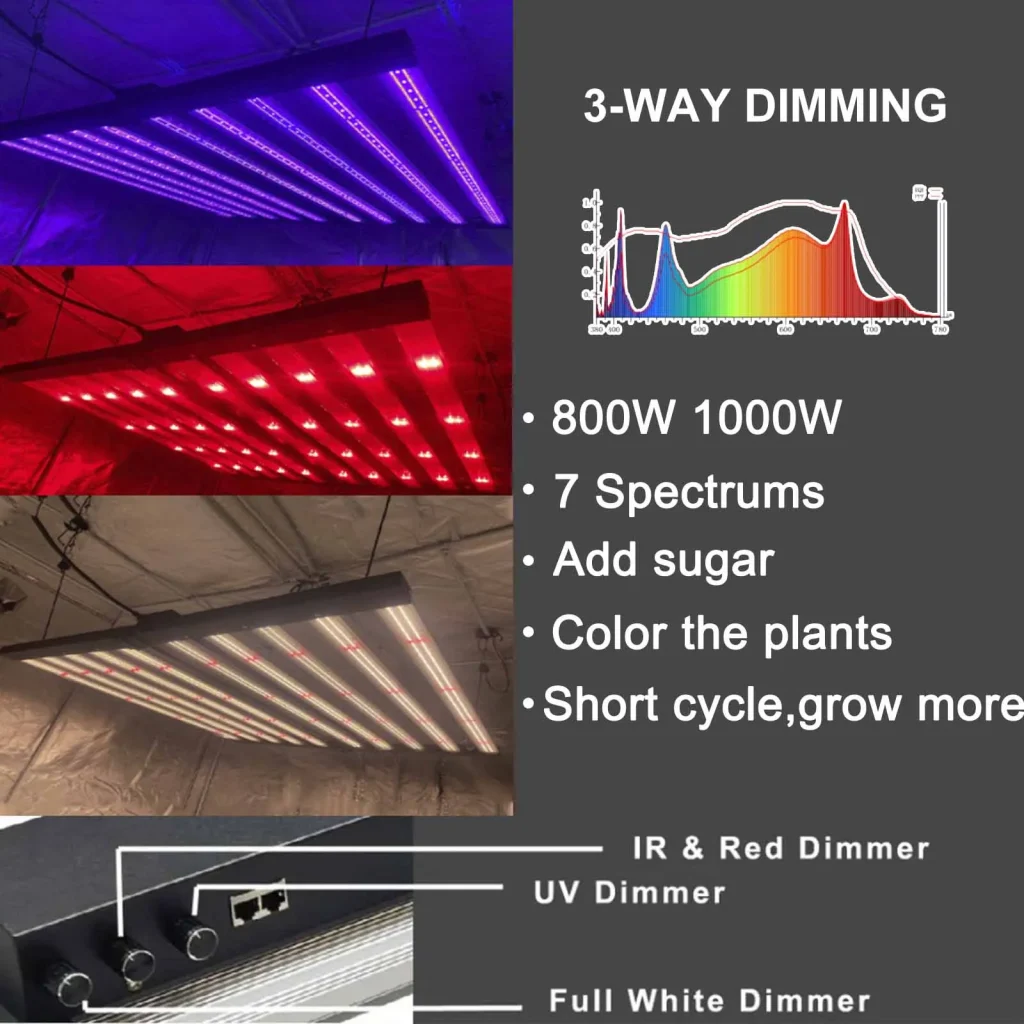
Spectrum tuning refers to the spectrum can be adjusted. Like our 2-way and 3-way dimming led grow lights 800w 1000w. They can switch spectrum to fit different stages of plant growth requirements. 3 ways dimming lights are of 3 channels can lead to 7 spectrums. optimizing light quality for specific growth stages or plant responses. By fine-tuning the light spectrum, growers can enhance photosynthetic efficiency, promote flowering, and influence plant morphology and cannabinoid profiles.
Intensity:
Intensity refers to the brightness or strength of light emitted by a grow light fixture, typically measured in units such as lumens or micromoles of photons per second. Light intensity influences plant growth rates, flowering induction, and overall crop productivity, with higher intensities generally promoting faster growth and higher yields.
Coverage Area:
Coverage area refers to the total surface area illuminated by a grow light within a growing space. Properly matching the coverage area of grow lights to the size of the growing area ensures uniform light distribution and adequate light exposure for all plants, maximizing growing efficiency and yield potential.
Heat Management:
Heat management involves controlling and dissipating excess heat generated by grow lights to maintain optimal temperatures within the growing environment. Effective heat management is critical for preventing heat stress, minimizing energy consumption, and ensuring the health and productivity of plants.
Durability:
Durability refers to the ruggedness, reliability, and longevity of grow lights under typical operating conditions. Durable lighting fixtures are designed to withstand environmental stresses, frequent use, and fluctuations in temperature and humidity, providing consistent performance over time. At maksdep, all our grow light led fixtures are of 50000 hours lifespan, and provide 3-5 years warranty, quality assured.
Energy Efficiency:
Energy efficiency measures the ratio of useful light output to electrical energy input, indicating how effectively grow lights convert electricity into usable light energy for plant growth. High-energy efficiency lighting systems help reduce operating costs, minimize environmental impact, and improve overall sustainability.
Dimming Capability:
Dimming capability allows growers to adjust the intensity of grow lights to meet the changing needs of plants throughout different growth stages. By dimming, growers can optimize light levels, save energy, and mimic natural lighting conditions to enhance plant development and yield. All Maksdep led grow lights are of dimmer knob and RJ port, you can adjust light intensity by knob or smart controller directly.

Fixture Design:
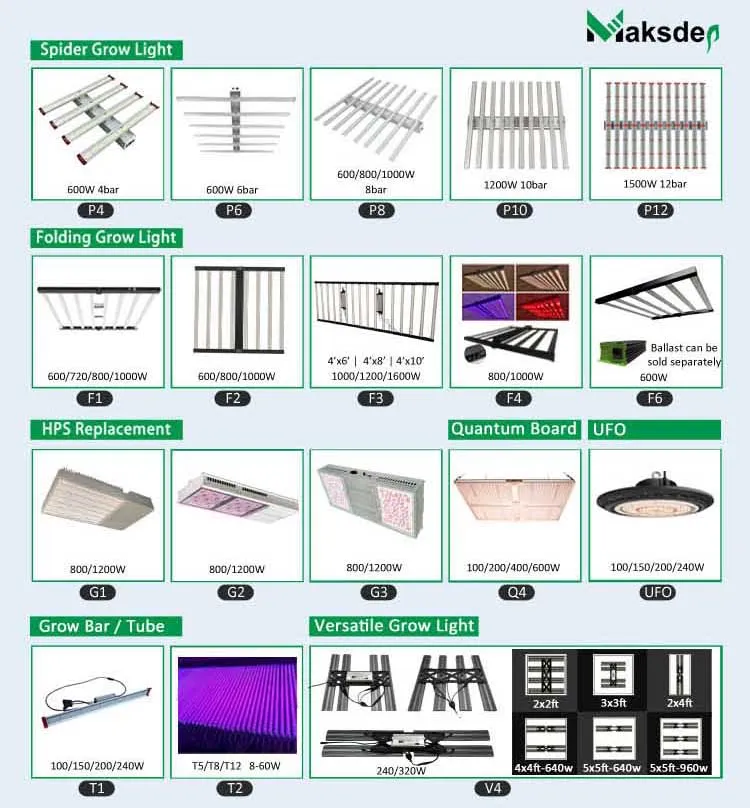
Fixture design encompasses the physical design, construction, and layout of grow light fixtures, including housing, reflectors, lenses, and mounting options. Well-designed fixtures optimize light distribution, heat dissipation, and durability, maximizing the effectiveness and longevity of grow lights in indoor growing environments. We are led grow light supplier of 16 years experiences. We have wide range of led grow lights, like spider led grow light, folding led grow light, quantum board led grow light, UFO led grow light, under canopy grow light, etc. Contact us with your needs, we can recommend the suitable
Driver Technology:
Driver technology refers to the electronic components to plant grow lights. Advanced driver technology improves efficiency, reliability, and dimming capabilities, providing precise control over light output and optimizing plant growth conditions. All our led plant grow lights are with quality UL led drivers, PF > 0.98.
Control Systems:
Control systems enable growers to remotely monitor and adjust various parameters of grow lights, such as spectrum, intensity, and photoperiod, using automated or manual controls. Integrated control systems enhance flexibility, convenience, and precision in managing lighting conditions for indoor cultivation. We can offer smart controller which is compatible with our grow light fixtures.
Remote Monitoring:
Remote monitoring systems enable growers to monitor and manage grow lights and environmental conditions from a distance using connected devices such as smartphones, tablets, or computers. Remote monitoring enhances convenience, efficiency, and control over indoor growing operations, allowing growers to respond promptly to changes and optimize plant growth conditions.
Smart Integration:
Smart integration involves integrating grow lights with other smart devices, sensors, or automation systems to create interconnected indoor growing environments. Smart integration enhances efficiency, precision, and control over lighting and environmental parameters, facilitating optimized plant growth and management.
Light Cycle:
The light cycle refers to the duration of time that plants are exposed to light and darkness within a 24-hour period. Manipulating the light cycle, particularly during the flowering stage, can influence plant growth patterns, flowering initiation, and harvest timing, allowing growers to optimize yield and quality.
Photon Efficiency:
Photon efficiency measures the effectiveness of a lighting system in delivering photons of light to plants per unit of electrical energy consumed. High photon efficiency indicates that more photons are produced for plant photosynthesis, maximizing energy utilization and promoting efficient plant growth.
CRI (Color Rendering Index):
CRI measures the ability of a light source to accurately render colors compared to natural sunlight, typically rated on a scale from 0 to 100. Higher CRI values indicate better color accuracy, which is important for assessing plant health, detecting nutrient deficiencies, and evaluating overall crop quality.
DLI (Daily Light Integral):
DLI measures the total amount of photosynthetically active radiation (PAR) received by plants over the course of a day, typically expressed in units of moles of photons per square meter per day (mol/m²/day). DLI provides valuable information about the cumulative light exposure plants receive, influencing growth rates, flowering, and overall productivity. Different plants of different DLI needs.
Light Spectrum Optimization:
Light spectrum optimization involves selecting or adjusting the spectral composition of grow lights to maximize plant growth, health, and yield. By tailoring the light spectrum to specific plant requirements or growth stages, growers can enhance photosynthetic efficiency, promote flowering, and influence plant morphology and secondary metabolite production.
Light Spectrum Ratio:
Light spectrum ratio refers to the relative proportions of different wavelengths of light emitted by a lighting system, such as red, blue, green, and far-red light. Adjusting the spectrum ratio allows growers to fine-tune light quality and intensity to meet the unique needs of different plant species, growth stages, and cultivation goals.

Light Spectrum Adjustment:
Light spectrum adjustment involves modifying the spectral composition of grow lights to optimize light quality and quantity for specific plant responses or growth requirements. By adjusting the relative proportions of different wavelengths, growers can enhance photosynthetic efficiency, regulate plant development, and manipulate flowering and fruiting cycles.
Light Spectrum Enhancement:
Light spectrum enhancement involves augmenting or enriching the spectral composition of grow lights to optimize plant responses and metabolic processes. By supplementing specific wavelengths or adjusting spectral ratios, growers can enhance photosynthetic activity, improve nutrient uptake, and stimulate secondary metabolite production, leading to healthier plants and higher yields.
Light Spectrum Mapping:
Light spectrum mapping involves analyzing and visualizing the spectral composition of grow lights across different wavelengths and intensity levels. By mapping the light spectrum, growers can identify areas of improvement, optimize spectrum distribution, and fine-tune lighting parameters to maximize plant growth, health, and yield.
Photon Flux:
Photon flux refers to the rate at which photons of light are emitted by a lighting source and received by plants within a specific area, typically expressed in units such as micromoles of photons per second (μmol/s). Photon flux provides valuable information about the intensity of light available for photosynthesis and plant growth, influencing plant responses and productivity.
Quantum Efficiency:
Quantum efficiency measures the efficiency with which plants utilize photons of light for photosynthesis, typically expressed as the ratio of photosynthetically active photons absorbed by chlorophyll to photons incident upon the plant canopy. High quantum efficiency indicates that a greater proportion of photons are converted into chemical energy through photosynthesis, promoting efficient plant growth and biomass production.
Photon Distribution:
Photon distribution refers to the spatial arrangement or dispersion of photons of light emitted by a lighting system across the canopy of plants within a growing area. Optimizing photon distribution ensures uniform light coverage and intensity throughout the canopy, promoting consistent plant growth and development and maximizing yield potential. Usually see it in PPFD map.
Photon Output:
Photon output represents the total number of photons emitted by a lighting source within a given time period, typically measured in units such as micromoles of photons per second (μmol/s). Photon output is a key determinant of light intensity and plant growth rates, with higher output levels generally resulting in faster growth and increased productivity.
Photon Stress:
Photon stress occurs when plants are exposed to excessive or imbalanced levels of light, leading to physiological disruptions, photoinhibition, and oxidative damage. Factors such as high light intensity, prolonged exposure to certain wavelengths, and inadequate light spectrum can induce photon stress, negatively impacting plant health and productivity if not properly managed.
Photon Penetration:
Photon penetration refers to the depth or distance that photons of light can effectively penetrate into the canopy of plants within a growing area. Factors such as light intensity, spectrum, and canopy density influence photon penetration, with deeper penetration facilitating better light distribution and access to lower canopy layers, promoting uniform plant growth and development. Some photon can not penetrate to the root, so growers may use under canopy grow light to supplement it.
Environmental Parameters:
VPD (Vapor Pressure Deficit):
Vapor Pressure Deficit (VPD) is a measure of the difference between the amount of moisture in the air (absolute humidity) and the maximum amount of moisture that the air can hold at a given temperature (saturation vapor pressure). VPD indicates the relative dryness of the air and influences transpiration rates and plant water uptake. Maintaining optimal VPD levels is crucial for regulating plant growth, nutrient uptake, and overall plant health. In greenhouse growing, growers usually apply controller and dehumidifier to their growing. We have an article of detailed information about it., Click to see>> VPD

RH (Relative Humidity):
Relative Humidity (RH) is a measure of the amount of water vapor present in the air relative to the maximum amount of water vapor the air can hold at a specific temperature, expressed as a percentage. RH plays a significant role in indoor growing environments, affecting plant transpiration, water loss, and susceptibility to diseases such as powdery mildew. Proper RH management is essential for maintaining optimal plant health and minimizing environmental stress.
EC (Electrical Conductivity):
Electrical Conductivity (EC) measures the ability of a solution to conduct electricity, indicating the concentration of dissolved salts or ions, such as nutrients, in a nutrient solution or growing medium. EC is used to assess nutrient levels, monitor nutrient uptake by plants, and adjust nutrient solutions to maintain optimal nutrient concentrations for plant growth and development.
pH (Potential of Hydrogen):
pH is a measure of the acidity or alkalinity of a solution, determined by the concentration of hydrogen ions present. In indoor growing, pH levels in nutrient solutions and growing mediums significantly influence nutrient availability, uptake, and plant growth. Maintaining proper pH levels is critical for ensuring optimal nutrient absorption, preventing nutrient deficiencies or toxicities, and promoting healthy plant development.
CO2 (Carbon Dioxide):
Carbon Dioxide (CO2) is a crucial component of photosynthesis, serving as a substrate for carbohydrate synthesis in plants. In indoor growing environments, CO2 levels directly influence photosynthetic rates, plant growth rates, and overall productivity. Supplemental CO2 enrichment is often used to increase CO2 concentrations in enclosed growing spaces, optimizing photosynthetic efficiency and boosting plant growth and yield. If you need, we can recommend CO2 burner, CO2 regulator and detector suppliers to you.
Aeration:
Aeration refers to the process of providing oxygen to the root zone of plants through the circulation of air or oxygenated water in the growing medium. Adequate aeration is essential for promoting root health, nutrient uptake, and microbial activity, as well as preventing root suffocation, anaerobic conditions, and root diseases.
Root Zone Temperature:
Root Zone Temperature refers to the temperature of the growing medium surrounding the roots of plants. Root zone temperature influences nutrient uptake, root growth, and overall plant metabolism, with optimal temperatures varying depending on the plant species and growth stage. Maintaining appropriate root zone temperatures is critical for maximizing nutrient absorption, root development, and plant health.
Flushing:
Flushing is a cultural practice involving the irrigation of plants with plain water or a flushing solution to remove excess salts, nutrients, or residues from the growing medium or plant tissues. Flushing is typically performed before harvest to improve the quality, flavor, and aroma of harvested crops, as well as to reduce the risk of nutrient buildup or toxicity in plants.