
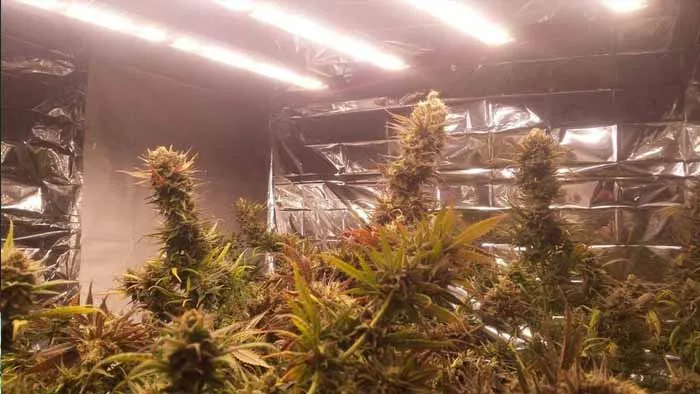
How Does Light Help Plants Grow
Light serves as the life force for plants, acting as the fundamental energy source underpinning the process of photosynthesis. During photosynthesis, plants engage in a remarkable biochemical transformation. Chlorophyll, the green pigment present in plant cells, captures light energy. This energy is then harnessed to drive a series of complex reactions that convert carbon dioxide, absorbed from the air through tiny pores called stomata, and water, taken up by the plant’s roots from the soil, into glucose, which is the plant’s primary source of energy, and oxygen, which is released back into the atmosphere.
The light spectrum is vast, and different wavelengths within it play distinct and crucial roles in plant growth. Blue light, with its relatively short wavelength, is of utmost importance during the vegetative growth phase. It acts as a catalyst for the development of sturdy stems and broad, healthy leaves. When plants are exposed to an adequate amount of blue light, it stimulates cell division and elongation in the stem, leading to a more robust and upright growth pattern. In the case of leaf development, blue light promotes the expansion of leaf cells, resulting in larger and more efficient photosynthetic surfaces. For example, many leafy greens like lettuce and spinach thrive in environments with a higher proportion of blue light during their early growth stages.
Red light, on the other hand, becomes the key player during the flowering and fruiting stages of a plant’s life cycle. It has a longer wavelength compared to blue light. Red light is detected by specific photoreceptor proteins in plants, which then trigger a cascade of hormonal and genetic responses. These responses initiate the formation of flower buds. Once the flowers are pollinated, red light further aids in the development and maturation of fruits. In tomato plants, for instance, red light exposure is essential for the proper development of tomatoes, influencing their size, color, and sugar content. The combination of red and blue light, as found in natural sunlight, provides plants with a well – balanced energy supply and the necessary signals to carry out all their growth processes effectively. Sunlight contains a continuous spectrum of wavelengths, with red and blue light being present in significant amounts, along with other wavelengths that also contribute to various aspects of plant physiology, such as far – red light which can affect plant spacing and branching.
Will LED Lights Grow Plants
LED lights have emerged as a revolutionary solution in the realm of indoor plant cultivation. Their design allows for a highly targeted approach to light emission. Through advanced semiconductor technology, LEDs can be engineered to emit specific wavelengths of light that plants require most. Red and blue light, as previously mentioned for their importance in plant growth, are the primary wavelengths that LED grow lights are designed to emit. By precisely delivering these wavelengths, plants can engage in photosynthesis more efficiently compared to traditional lighting sources.
One of the major advantages of LED grow lights is their energy – efficiency. Traditional lighting options, such as incandescent bulbs, waste a significant amount of energy in the form of heat. In contrast, LED lights convert a much higher percentage of electrical energy into useful light energy for plants. A high – quality LED grow light can provide the same amount of photosynthetically active radiation (PAR) as a much larger and more power – consuming traditional light, while using only a fraction of the electricity. For example, a 100 – watt LED grow light can produce the equivalent light output of a 400 – watt high – pressure sodium (HPS) light in terms of the light wavelengths that plants can utilize for photosynthesis.
LED grow lights also produce significantly less heat compared to other types of grow lights. This is a crucial factor as excessive heat can be detrimental to plants. High temperatures can cause stress to plants, leading to wilting, reduced photosynthesis rates, and even damage to plant tissues. With LED lights, the risk of heat damage is greatly reduced, allowing plants to grow in a more stable and optimal environment. Many indoor gardeners and commercial growers have capitalized on these benefits of LED lights. Home gardeners can now easily grow a variety of herbs like basil, parsley, and mint on their kitchen countertops using compact LED grow lights. Commercial growers, on the other hand, are using large – scale LED lighting systems to cultivate acres of vegetables, such as tomatoes, cucumbers, and peppers, in controlled – environment greenhouses, ensuring consistent and high – quality yields throughout the year.
How Do Grow Lights Work
Grow lights operate by emitting light within the wavelengths that plants can effectively utilize for photosynthesis. Different types of grow lights achieve this in unique ways.
Fluorescent grow lights use phosphors to convert ultraviolet (UV) light, which is invisible to the human eye, into visible light within the spectrum that is beneficial for plants. Inside a fluorescent tube, an electric current passes through a gas, typically mercury vapor, which emits UV light. The inner surface of the tube is coated with phosphors, which absorb the UV light and then re – emit it as visible light. The composition of the phosphors can be adjusted to produce a specific spectrum of light. Some fluorescent grow lights are designed to have a higher proportion of blue light, making them suitable for the vegetative growth stage of plants, while others may have a more balanced spectrum to support overall plant growth.
High – pressure sodium (HPS) lights produce a broad spectrum of light, rich in red and orange wavelengths. These lights consist of a sealed arc tube filled with sodium vapor and other gases. When an electric current is passed through the tube, the sodium vapor becomes ionized and emits light. The red – and orange – rich spectrum of HPS lights is particularly beneficial for the flowering and fruiting stages of plants, as red light is known to stimulate these processes. HPS lights are often used in large – scale commercial greenhouses due to their high light output and relatively long lifespan.
LED grow lights, as previously detailed, are designed to emit specific wavelengths based on the needs of the plants being grown. The individual LED diodes can be grouped and configured to produce a customized light spectrum. For example, a grow light for seedlings may have a higher proportion of blue light to encourage strong root and shoot growth, while a grow light for flowering plants will have more red light. These lights are placed at an appropriate distance from the plants to ensure that the plants receive sufficient light intensity for photosynthesis. The optimal distance depends on the power and type of the grow light as well as the stage of plant growth. Generally, for small – scale indoor gardening with low – power LED lights, the lights may be placed as close as 6 – 12 inches from the plants, while in large commercial setups with high – power LED arrays, the distance may be several feet.
Do Grow Lights Use a Lot of Electricity
The electricity consumption of grow lights varies significantly depending on their type. Traditional HPS grow lights have a reputation for being power – hungry. These lights typically require a high voltage to operate and consume a substantial amount of electricity. A standard 1000 – watt HPS light, commonly used in large – scale commercial greenhouses, can run continuously for long hours, resulting in a significant electricity bill.
However, the advent of newer technologies, especially LED grow lights, has changed the game. LED grow lights are much more energy – efficient. As mentioned earlier, a high – quality LED grow light can provide the same amount of useful light as a much larger and more power – consuming HPS light while using only a fraction of the electricity. A 200 – watt LED grow light can often replace a 600 – watt HPS light in terms of the light output that plants can use for photosynthesis. This energy – efficiency not only saves money on electricity costs but also reduces the overall environmental impact of indoor plant cultivation.
Growers can further minimize their electricity usage by choosing energy – efficient grow lights and properly sizing the lighting system according to the area and plant needs. For a small indoor garden in a 10 – square – foot area, a single, well – designed 50 – watt LED grow light may be sufficient to provide adequate light for a few potted plants. In a large commercial greenhouse covering several acres, a carefully planned lighting system using high – power LED arrays can be configured to provide the right amount of light to each section of the greenhouse, ensuring that no energy is wasted. Additionally, using timers and light – sensing controls can help optimize the use of grow lights, ensuring that they are only operating when the plants actually need light.
Do Grow Lights Have UV
Some grow lights are designed to emit ultraviolet (UV) light, which has a complex relationship with plant growth. UV light can have both positive and negative effects on plants.
In small amounts, UV light can stimulate certain plant defense mechanisms. When plants are exposed to low levels of UV light, they produce secondary metabolites such as flavonoids and antioxidants. Flavonoids, for example, can act as natural sunscreens for plants, protecting them from excessive UV damage. These secondary metabolites can also play a role in plant – pathogen interactions, helping plants defend against diseases. In some cases, UV light exposure can enhance the flavor and color of fruits and vegetables. For instance, studies have shown that blueberries exposed to a small amount of UV light during their growth develop a more intense color and a richer flavor.
However, too much UV light can be harmful to plants. High levels of UV light can damage plant cells. It can cause mutations in the plant’s DNA, disrupt photosynthetic processes, and lead to oxidative stress. The plant’s cell membranes can also be damaged, making the plant more vulnerable to pests and diseases. Some grow lights are designed to include a small percentage of UV light to mimic natural sunlight more closely. These grow lights may be used for plants that naturally grow in sunny environments and are accustomed to some level of UV exposure. On the other hand, for plants that are more sensitive to UV light, such as some tropical or shade – loving plants, grow lights may be designed without UV emission to prevent potential damage.
Are Grow Lights Bad for Your Eyes
Grow lights can potentially pose risks to eye health if proper precautions are not taken. The intense light emitted by some grow lights, especially those with high brightness levels, can cause various eye problems. Eye strain is a common issue. When a person is exposed to the bright light of a grow light for an extended period, the muscles in the eyes that control focusing and adjusting to light intensity can become fatigued. This can lead to discomfort, headaches, and a decrease in visual acuity.
In more extreme cases, looking directly at the light source of a high – intensity grow light for a long time can cause damage to the retina. The retina contains photoreceptor cells that are sensitive to light. Prolonged exposure to intense light can overload these cells, leading to cell death and potentially permanent vision loss. For example, some high – power HPS grow lights emit very bright light, and if a person accidentally stares directly at them for several minutes, it can cause significant retinal damage.
To mitigate these risks, wearing appropriate eye protection is essential. Safety glasses with special coatings to filter out harmful wavelengths can help reduce the risk of eye damage. These coatings are designed to block out the high – energy blue and UV light that are more likely to cause harm to the eyes. Additionally, proper positioning of the grow lights is crucial. Grow lights should be installed in such a way that direct exposure to the eyes is avoided. In a commercial greenhouse, for example, grow lights may be mounted high above the plants and angled in a way that the light is directed downwards towards the plants, minimizing the risk of workers accidentally looking directly at the lights.
Are Grow Lights Bad for Humans
In general, when used properly, grow lights are not bad for humans. The light emitted by most grow lights is not harmful to human health in normal circumstances. However, as discussed in relation to eye health, direct and prolonged exposure to intense grow lights can be a concern.
Some older types of grow lights, such as mercury – vapor lights, may emit small amounts of harmful substances. Mercury is a toxic heavy metal, and if the glass envelope of a mercury – vapor light breaks, there is a risk of mercury vapor being released into the environment. This can be harmful if inhaled by humans, as mercury can accumulate in the body and cause damage to the nervous system, kidneys, and other organs.
Modern, well – designed grow lights, especially LED ones, are safe for human use in indoor growing environments. LED lights do not contain harmful substances like mercury and produce a relatively cool light that does not pose a significant risk of burns or overheating. The main consideration is to ensure proper ventilation around the grow lights to prevent overheating, which could potentially cause discomfort. In a small indoor grow room, for example, using a fan to circulate air around the grow lights can help dissipate the heat generated by the lights, keeping the room at a comfortable temperature for both the plants and the people in the area.
What Color Grow Light Is Best
The optimal color of a grow light depends on the stage of plant growth.
During the vegetative growth phase, a higher proportion of blue light is highly beneficial. Blue light promotes strong leaf and stem growth. As plants develop, the cells in the stem and leaves respond to blue light by dividing and elongating. This results in a more robust and bushy growth pattern. A blue – rich grow light can help plants develop a healthy and robust structure. For example, young seedlings of vegetables like broccoli and cauliflower benefit greatly from a grow light with a higher blue light content. The blue light encourages the development of a strong root system and a sturdy above – ground structure, preparing the plants for the next stage of growth.
When the plants transition to the flowering and fruiting stage, red light becomes more crucial. Red light stimulates the flowering process. It is detected by photoreceptor proteins in the plant, which then trigger a series of hormonal changes. These changes lead to the formation of flower buds. Once the flowers are pollinated, red light further aids in the development and ripening of fruits. In strawberry plants, for instance, red light exposure is essential for the proper development of strawberries, influencing their size, sweetness, and color.
A combination of red and blue light, often referred to as full – spectrum grow lights, is also popular as it mimics natural sunlight more closely and can be used throughout the entire plant growth cycle. Full – spectrum grow lights are designed to provide a balanced mix of the wavelengths that plants need at different stages of growth. Some plants may also respond well to additional wavelengths such as far – red light. Far – red light can influence photomorphogenesis, which is the process by which plants develop and grow in response to light. It can affect plant spacing, branching, and the overall shape of the plant. For example, in some ornamental plants, exposure to far – red light can encourage more compact growth and increased branching, resulting in a more aesthetically pleasing appearance.
