

Introduction
Photosynthesis is a fundamental biological process through which plants convert light energy into chemical energy, fueling their growth and development. The efficiency of this process is heavily influenced by the quality and type of light received, particularly its color. Different colors or wavelengths of light not only impact the rate of photosynthesis but also influence various aspects of plant growth, including flowering and morphological development.
Understanding the role of light spectrum in plant biology is crucial for optimizing agricultural practices, especially as indoor farming and controlled environment agriculture become more prevalent. There is a growing interest in understanding how different colors of light affect photosynthesis, with the aim of optimizing crop yield and efficiency in both natural and controlled environments.This article explores how specific colors within this spectrum influence photosynthesis and plant health, potentially leading to more effective agricultural practices.

Basics of Light and Photosynthesis
Photosynthesis is primarily driven by the light-dependent reactions that occur in the chloroplasts of plant cells, where light energy is captured and converted into chemical energy. Chlorophyll, the primary pigment in plants, plays a crucial role in this process by absorbing light. However, chlorophyll is not equally responsive to all wavelengths of light. It is predominantly responsible for absorbing light in the blue and red wavelengths but reflects green, which is why most plants appear green to the human eye and affects the efficiency of photosynthesis.
Chlorophyll and Light Absorption:
Chlorophyll Types: Plants contain mainly two types of chlorophyll, chlorophyll a and chlorophyll b.
- Chlorophyll a absorbs mostly blue-violet and red light.
- Chlorophyll b complements chlorophyll a, absorbing mainly blue and red-orange light.
- Carotenoids, another group of pigments, absorb light in the blue and green regions and can protect the plant by dissipating excess light energy that could otherwise damage the chlorophyll or lead to photooxidative stress.
Action Spectrum of Photosynthesis: The action spectrum of photosynthesis, which indicates the effectiveness of different wavelengths of light in driving photosynthesis, shows peaks in the blue and red regions, correlating with the absorption spectrum of chlorophyll.
Impact of Light Colors on Photosynthesis
Different colors of light have varying effects on the rate of photosynthesis due to their distinct wavelengths and the way plants absorb them. The efficiency of photosynthesis is primarily influenced by red and blue light, which are most effectively absorbed by chlorophyll, the key pigment in photosynthesis.
- Blue Light (400-500 nm): Essential for promoting leaf growth and the development of strong, healthy plants. It regulates stomatal openings, which facilitates the exchange of gases and maximizes photosynthesis efficiency.
- Red Light (600-700 nm): Crucial for flowering and fruit production. Red light affects the phytochrome, a plant pigment involved in regulating growth, which can trigger flowering and other developmental processes.
- Green Light (500-600 nm): Mostly reflected by plants and less absorbed, but recent studies suggest it can penetrate deeper into the foliage, enhancing photosynthesis in shaded leaves where blue and red light are filtered out.
- Far-Red Light (700-800 nm): Extends the light phase of photosynthesis and influences photoperiodic responses, which are important for timing the flowering in many plants.
- UV Light: especially UV-B, influences plant biology by inducing stress adaptation and morphological changes, enhancing disease resistance. However, excessive UV-B can damage DNA and inhibit photosynthesis, impacting plant health and productivity.
Each of these light colors can be manipulated in agricultural settings to optimize growth conditions and enhance crop yields.
Optimal Light Colors for Various Plant Processes
Different stages of plant growth require specific light spectra for optimal development:
- Seed Germination: Blue light is often beneficial during the seed germination stage as it promotes early growth and helps in the development of strong, healthy seedlings.
- Vegetative Growth: A combination of blue and red light is ideal for vegetative growth. Blue light promotes strong leaf growth, while red light ensures robust stems and overall plant size.
- Flowering and Fruiting: Red light is crucial during the flowering and fruiting stages as it triggers specific hormones that facilitate these processes. Adding far-red light can extend the light period, simulating longer days, which is beneficial for some short-day plants.
- Stress Induction for Enhanced Compound Production: Some growers use UV light strategically to induce stress in plants, leading to increased production of secondary metabolites like flavonoids and terpenes, which can improve the plant’s flavor and medicinal properties.
Understanding these light needs and manipulating them accordingly can significantly enhance plant health, growth rate, and yield.
Negative Effects of Certain Light Colors
While manipulating light colors can significantly enhance plant growth and development, certain wavelengths may have detrimental effects when used improperly:
- Green Light Excess: Although plants primarily reflect green light, excessive exposure can lead to inefficient photosynthesis since less energy is utilized for growth compared to blue and red light.
- High Intensity Blue Light: While blue light is beneficial for stomatal opening and initial growth phases, excessive blue light can lead to stunted growth and leaf bleaching, where chlorophyll degradation occurs, diminishing the plant’s ability to photosynthesize effectively.
- Prolonged Exposure to UV Light: Long-term exposure to high levels of UV light can damage plant tissues, leading to DNA damage, reduced photosynthetic capability, and increased susceptibility to diseases.
- Far-Red Light Overuse: While far-red light can stimulate certain growth processes, excessive far-red can elongate plant cells excessively, leading to spindly and weak plants with suboptimal fruit and flower production.
Understanding the appropriate levels and combinations of light exposure is crucial to avoid these negative effects and ensure plant health and productivity.
Interaction of Light Quantity and Quality
The quantity and quality of light are interconnected factors that significantly affect plant physiology:
- Light Quantity (Intensity): The intensity of light determines how much energy plants receive for photosynthesis. Insufficient light intensity can lead to weak plant development, whereas too much intensity might cause light saturation or light-induced stress.
- Light Quality (Spectrum): Different wavelengths (colors) of light influence various biological processes in plants. For instance, blue light is crucial for leaf development and stomatal control, while red light promotes flowering and fruit production.
- Balancing Quantity and Quality: Achieving the right balance between light quantity and quality is essential for optimizing plant health and productivity. For example, in a greenhouse, using supplemental lighting that provides both adequate intensity and a balanced spectrum can compensate for natural light variability. All our led grow lights are with proved quality light spectrum for indoor plants’s big harvest.
- Dynamic Adjustments: Advanced agricultural technologies allow for dynamic adjustments of light conditions. Systems can automatically modify the intensity and spectrum of light based on the time of day or the growth stage of the plant, ensuring optimal growth conditions at all times.

Practical Applications and Grow Light Technologies
The insights into how different light colors affect plant processes have significant implications for agricultural technology, particularly in the use of LED grow lights:
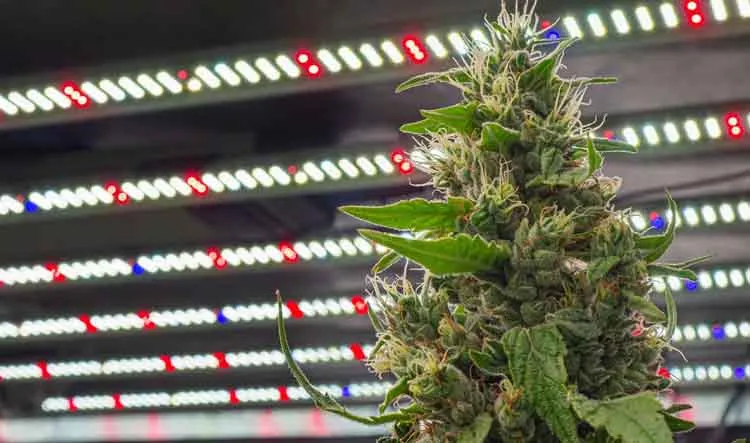
- Customizable Light Spectra: LED grow lights can be designed to emit specific spectra, optimizing light for different stages of plant growth. For example, higher proportions of blue light can be used during the vegetative stage, while increasing red light during the flowering stage.
- Energy Efficiency: LEDs are highly energy-efficient, which makes them ideal for sustained use in controlled environments. They also produce less heat, reducing the need for cooling systems.
- Enhanced Crop Yield and Quality: By adjusting light colors, growers can not only accelerate growth rates but also improve the quality of the crops, such as increased biomass, enhanced flavor, and greater nutritional content.
- Controlled Photoperiods: Manipulating light colors allows for control over photoperiods, influencing flowering times and crop cycles, which is particularly beneficial in regions with limited natural sunlight.
Experimental Evidence
To systematically understand how different light colors affect plant physiology, numerous controlled experiments have been conducted. These experiments often use LED grow lights to precisely control the light spectrum exposed to the plants.
Methodology:
Studies typically involve setting up controlled environments where plants are exposed to different wavelengths of light (red, blue, green, etc.) using LED grow light systems. Measurements of photosynthetic rates, growth parameters, and flowering responses are taken to gauge the effects of each light color.
Results:
- Red and blue lights have consistently shown to significantly enhance photosynthesis and promote growth compared to green light, which is less effective.
- Experiments also reveal that combining red and blue lights can sometimes produce synergistic effects, optimizing photosynthetic efficiency and promoting healthier, more robust plant development.
- Green light, often reflected by plants, has been found to play a minor role in direct photosynthesis but can influence other physiological processes like shade avoidance.
These experimental findings help refine our understanding of light’s role in plant biology and guide the development of more effective agricultural lighting technologies.
Conclusion
Throughout this article, we have explored the significant role that light color plays in photosynthesis and plant growth. Different colors of light, including blue, red, green, far-red, and UV, affect various plant physiological processes in unique ways, enhancing growth, flowering, and stress responses. By understanding and manipulating these light spectra, growers can optimize plant health and productivity in both natural and controlled environments.
The potential of LED technology in agriculture is vast. It allows for precise control over light intensity and spectrum, enabling the customization of lighting conditions to meet the specific needs of different plant species at various growth stages. This technology not only supports sustainable agricultural practices by reducing energy consumption and improving crop yields but also opens new avenues for research into plant physiology and the development of new agricultural techniques.
As research continues to advance, it will be crucial to further refine our understanding of how different light colors interact with plant growth and to explore innovative ways to harness this knowledge for agricultural enhancement.
FAQ:
1. What’s Grow Light Color Meaning?
A: Grow light color refers to the spectrum of light emitted by artificial lighting, which can influence plant growth, development, and physiological processes.
2. Which colors of light are most effective for photosynthesis?
A: Blue and red light are most effective for photosynthesis. Blue light promotes leaf and stem growth, while red light influences flowering and fruit production.
3. How does light color affect the rate of photosynthesis?
A: Different colors affect the rate of photosynthesis by stimulating different parts of the light-absorbing pigments in plants, enhancing or inhibiting certain growth processes. Go to above to see details.
4. What light colors, in combination, encourage flowering in plants?
A: A combination of red and far-red light is often used to encourage flowering in plants by affecting photoperiodic responses and hormone levels.
5. What color light is worst for plant growth?
A: Green light is the least effective for plant growth as it is mostly reflected by the plants and less absorbed, making it less useful for photosynthesis.
6. How do you think the amount of light affects how plants grow?
A: The amount of light affects plant growth significantly; insufficient light can stunt growth while too much can cause stress or damage. Proper light intensity is crucial for optimal plant health and productivity.
