

Indoor gardening has become increasingly popular as people strive to grow their own food with minimal chemicals and preservatives. One of the challenges of indoor gardening is mimicking the natural light conditions plants need to thrive. This is where LED grow lights come in. These lights are specially designed to provide the right spectrum of light for optimal plant growth. In particular, purple LED grow lights have gained attention for their unique ability to combine blue and red light, essential for plant development. But why are these lights purple, and do plants really need UV light? This article will dive deep into the science behind purple LED grow lights and their role in enhancing plant health.
What Is UV Light?
Ultraviolet (UV) light is a form of electromagnetic radiation that is emitted by the sun. It is categorized into three types based on its wavelength:
-
UVA (320-400 nm): The longest wavelength UV rays, which penetrate the Earth’s atmosphere and are the most abundant. UVA plays an important role in promoting plant growth, as it helps in the synthesis of certain plant compounds.
-
UVB (280-320 nm): Although UVB is mostly absorbed by the Earth’s atmosphere, a small amount reaches the surface. UVB is crucial for plants because it enhances pigmentation, protects them from microorganisms, and helps with the production of certain plant oils and resins.
-
UVC (100-280 nm): UVC rays do not reach the Earth’s surface naturally because they are absorbed by the ozone layer. However, artificial UVC sources can be used for specific plant needs like sterilization.
Plants absorb and use UVA and UVB for various physiological processes, which is why incorporating UV light into indoor gardening can be beneficial for plant growth.
Do Plants Need UV Light?
When used correctly, UV light offers several advantages for plant health and productivity. Here are the key benefits of UV light for plants:
-
Increased Resin and Oil Production: UV light triggers the production of resins and oils, which are essential for plants’ defense mechanisms and contribute to the potency and aroma of certain plants.
-
Enhanced Branching and Root Mass: UV exposure can help plants develop stronger roots and increased branching, which improves overall growth and yield.
-
Improved Taste and Smell: Plants exposed to UV light are often richer in flavors and have a more intense aroma, which is especially desirable for herbs, cannabis, and certain fruits.
-
Resistance to Fungi, Bacteria, and Pests: UV light boosts a plant’s immune system, making it more resilient against diseases and pests.
-
Improved Flower Quality: UV light plays a significant role in improving the size, weight, and overall quality of flowers.
UV light also helps seedlings adapt to stronger outdoor light when transitioning from low-intensity indoor lighting. Without this gradual adjustment, sudden exposure to bright sunlight could shock the plants, stunting their growth.

Types of Grow Lights
There are several types of grow lights used for indoor gardening, each with its own advantages and disadvantages:
-
LED Grow Lights
- Advantages: LED grow lights are highly energy-efficient, converting nearly 90% of electrical energy into light, which reduces heat emission and energy consumption. These lights can be tuned to provide specific light spectrums, including UV light, making them ideal for indoor growing. They also have a long lifespan, which reduces long-term costs.
- Disadvantages: LED lights are more expensive upfront compared to other options, but their durability and energy efficiency make them a cost-effective choice in the long run.
-
Fluorescent Lights
- Advantages: Fluorescent lights are more affordable and easy to use, making them a good option for beginners. They also produce a cooler light compared to traditional incandescent bulbs.
- Disadvantages: Fluorescent lights emit less UV light and are less effective than LEDs. Additionally, their lifespan is shorter, and they may contain hazardous mercury.
-
HID Grow Lights
- Advantages: High-Intensity Discharge (HID) grow lights are powerful and produce a significant amount of UV light. They are commonly used in large-scale commercial operations.
- Disadvantages: HID lights produce a lot of heat, which can be detrimental to plants if not managed properly. They also consume more energy than LED lights and require more maintenance.

Why Are LED Grow Lights Purple?
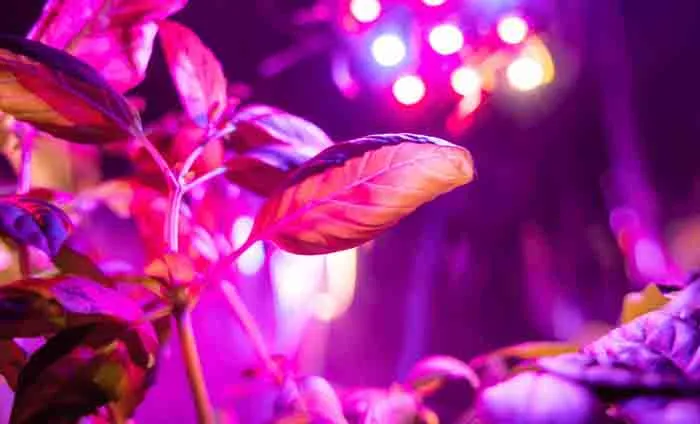
Purple LED grow lights have become a popular choice for indoor growers, and understanding why they are purple requires a look at the light spectrum. The color of the light is determined by its wavelength. Purple light falls between 380 and 450 nm, which is considered the short-wavelength end of the visible light spectrum. This makes purple LED lights particularly effective for plant growth.
The purple color in LED grow lights is a combination of two critical light spectra for plant health: blue (400-500 nm) and red (630-660 nm). Here’s why these wavelengths are so important:
-
Red Light: Red light is essential for stem elongation inhibition, photosynthesis, and root development. It signals to the plant that no other plants are above it, enabling uninhibited growth. Red light is particularly useful in the flowering and fruiting stages, as it encourages plant maturation and seed production.
-
Blue Light: Blue light promotes stomatal opening, leaf expansion, and the inhibition of stem elongation. It also encourages photoperiodic flowering and helps the plant establish a circadian rhythm. Blue light is especially important during the vegetative growth phase.
By combining red and blue light in one light source, purple LEDs provide a balanced light environment that promotes strong plant growth and development across various stages.
Additionally, purple LED grow lights are energy-efficient and cost-effective compared to using separate blue and red lights. The combination of these colors also ensures that plants can maintain their natural circadian rhythm, as they would experience outdoors.
When Should You Use Purple Grow Lights?
Purple LED grow lights are ideal for the vegetative growth cycle when plants are focusing on leaf and stem production. During this phase, blue light is more critical, as it encourages compact, sturdy plants with strong roots. However, when plants begin to flower or fruit, the ratio of red light should be increased to support flower and fruit development.
- Vegetative Growth: A higher blue-to-red ratio is beneficial for promoting strong, healthy leaves and stems.
- Flowering and Fruiting: A higher red-to-blue ratio helps with bud formation, flowering, and fruit ripening.
If you are germinating seeds, it’s best to use purple lights with a higher proportion of red light, as this stimulates seedling growth and helps the plants transition into the vegetative stage.

Which Plants Do Well Under Purple UV Light?
Purple LED grow lights are fantastic for plants that are focused on flowering and fruiting. These types of plants benefit from the combination of blue and red light in purple LED lights because it helps them grow stronger and produce more flowers and fruits. Here are some examples of plants that love purple UV light:
- Tomatoes: Purple LED lights help tomatoes grow strong, with bigger and tastier fruits. The red light encourages flowering and fruiting, while blue light keeps the plant sturdy.
- Peppers: Peppers, like bell peppers and chili peppers, also do great under purple light. They need a lot of red light to produce those colorful fruits, but blue light helps them stay compact and strong.
- Cucumbers: For cucumbers, purple LED lights give them the right balance of light to grow quickly, produce flowers, and develop healthy fruit.
- Beans and Peas: These plants also thrive under purple lights, as they need a lot of energy to produce pods and seeds. Red light helps with flowering, while blue light helps them grow strong vines.
- Squash and Eggplants: Purple LEDs can help squash and eggplants develop bigger fruits and improve their overall quality, especially if you want them to thrive indoors.
Why These Plants Love Purple UV Light:
As previous said:
-
Red Light: The red spectrum (found in purple lights) is crucial for plant flowering, fruiting, and seed production. It helps the plants know when it’s time to bloom and produce fruit.
-
Blue Light: Blue light, on the other hand, is responsible for helping plants grow sturdy stems, expand leaves, and stay compact. It helps keep the plant from stretching too much, which is especially important for indoor growing where space is limited.
So, if you’re growing anything that produces fruits or flowers, purple UV light is your go-to because it’s like a natural sunlight boost that helps the plant complete its life cycle—from seedlings to mature, fruit-bearing plants.
Full Spectrum LED Grow Lights
Now, full-spectrum LED grow lights are a bit of a game-changer for indoor gardeners. Instead of just providing red and blue light (like purple lights), full-spectrum lights mimic the sunlight as much as possible, giving plants a wider range of light. This means your plants get the right light at every stage of their growth.
Here’s why full-spectrum lights are great:
-
Mimicking Natural Sunlight: Full-spectrum lights give plants the closest thing to natural sunlight, which is perfect because plants are used to a full range of light wavelengths outdoors. These lights have a mix of red, blue, green, and sometimes even yellow light. This variety helps plants grow more naturally.
-
Better for All Stages of Growth: Whether your plant is a seedling, in its vegetative stage, or in flowering or fruiting, full-spectrum lights can help it thrive at every stage. For example:
- In the seedling stage, plants need gentle light to help them start growing strong roots without burning. The mix of light in full-spectrum helps balance this.
- During the vegetative stage, plants need more blue light to build strong leaves and stems. Full-spectrum lights make this easier by giving them the right amount of blue light.
- In the flowering and fruiting stages, plants need more red light to encourage blooms and fruit. Full-spectrum lights automatically give them the red wavelengths they need at the right time.
-
Helps with Plant Color, Flavor, and Aroma: Full-spectrum lights help plants grow better in terms of color, taste, and smell, too. For example, herbs like basil and mint will often have a stronger aroma, and fruits like tomatoes will have a richer color and taste under full-spectrum light. It’s like giving your plants a little extra boost to make them even more delicious.
-
More Versatility for Different Plants: If you have a variety of plants in the same grow space (like leafy greens, herbs, and fruiting plants), full-spectrum lights are ideal because they provide a balanced mix of light that all types of plants can benefit from. This is great if you want to grow different kinds of plants together without needing separate light setups.
-
Adjustable Growth Patterns: Some full-spectrum lights allow you to adjust the balance of colors. If you want plants to grow taller, you can add more yellow or orange light to encourage vertical growth. If you want them more compact, you can increase the blue light. This level of control is perfect if you’re growing different types of plants with different needs in the same space.
Purple UV light is great for plants that flower or fruit because it gives them the ideal balance of red and blue light. If you’re growing things like tomatoes, peppers, or cucumbers, purple LED lights are perfect for encouraging strong, healthy growth and a good harvest.
On the other hand, full-spectrum LED grow lights are like the Swiss Army knife of grow lights. They offer the best of both worlds by mimicking natural sunlight and supporting all stages of plant growth. If you want to grow a mix of plants or you need more control over how your plants grow, full-spectrum lights are definitely worth considering.
Distance Between Plants and Lights
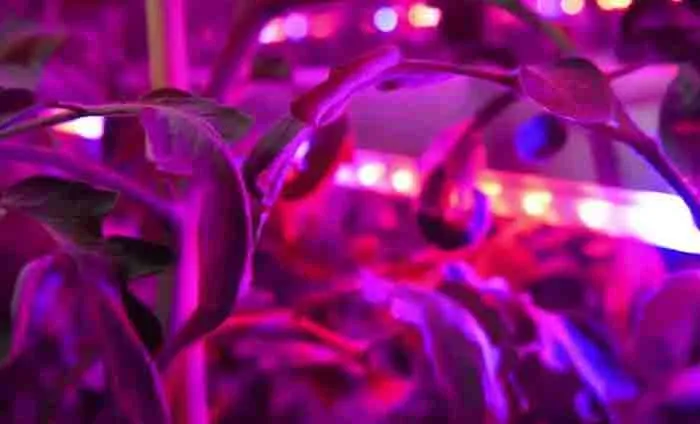
The distance between your plants and grow lights plays a crucial role in ensuring they receive the right amount of light without suffering from heat stress or light burn. Generally, the higher the wattage of the lights, the further away they should be from the plants.
For example:
- 200W lights: Keep them 12–20 inches away from plants.
- 400W lights: Keep them 20–27 inches away.
- 600W lights: Keep them 30–38 inches away.
- 1000W lights: Keep them 36–46 inches away.
In the flowering stage, plants require more intense light, so you can move the lights closer to the plants. Be sure to monitor your plants for signs of stress, such as yellowing or curling leaves, which can indicate that the light is too intense.
Things to Know Before Buying Grow Lights
When it comes to buying grow lights for your plants, there’s more to it than just picking the first one you find online. To make sure you’re getting the best light for your plants, you should consider a few important things. Let’s break it down:
1. Know Your Plants’ Needs
Every plant has different light requirements, so before you choose your grow light, think about what kind of plants you’re growing. Are they leafy greens like lettuce, or are you growing something that needs to flower or produce fruit, like tomatoes or peppers? Here’s why it matters:
- Leafy plants (like spinach, lettuce, or herbs) generally need a lot of blue light to help them grow strong, healthy leaves.
- Flowering and fruiting plants (like peppers, cucumbers, and tomatoes) need more red light to help with blooming and fruit production.
If you want your plants to thrive, choose a light that fits their growth stage. For example, if you’re growing seedlings, they need gentle light. But as they mature, they’ll need more intense light to encourage flowering or fruiting.
2. Understand the Space You Have
How much space do you have for your plants? If you have a small setup or just a few plants, you don’t need an industrial-sized grow light. On the other hand, if you have a large grow tent or indoor garden, you’ll need a more powerful light to cover the entire area.
Also, consider the height of your setup. Some lights work best when they’re closer to the plants, while others can be hung higher up. Check the light’s recommended height range (usually mentioned by the manufacturer) to avoid your plants getting too much or too little light.
3. Energy Efficiency and Cost
LED grow lights can be pricey upfront, but they’re super energy-efficient and last a long time, so they save you money in the long run. The key is to find a balance between your budget and the quality of the light.
- LEDs use less electricity than older options like fluorescent or HID lights, and they don’t give off as much heat, which is perfect for indoor gardening.
- Consider how much your electric bill might go up. If you’re growing a lot of plants or using the lights for long hours, an efficient light will help you keep costs down.
Although LEDs might cost more initially, they’ll last longer and lower your long-term energy costs, making them a better investment.
4. Safety First!
While grow lights can do wonders for your plants, you also need to think about safety. UV light can be really beneficial for your plants, but too much exposure to UV radiation can be harmful. Here’s what to keep in mind:
- If you’re using UV lights (especially those that emit a lot of UVB or UVC), make sure you protect yourself and your plants from excessive exposure. Too much UV can damage plant leaves or even cause burns, and it’s also harmful to your skin and eyes.
- If you’re using fluorescent or HID lights, watch out for the potential dangers of mercury vapor if the bulbs break. It’s best to go with LEDs if you’re looking for a safer, low-risk option.
5. Full Spectrum vs. Red/Blue Spectrum
There are a lot of different light options out there, and you’ll need to decide what works best for your plants. Here’s a quick breakdown:
- Full Spectrum Lights: These mimic natural sunlight, providing a balanced mix of colors from red, blue, green, and sometimes even white light. They are great if you want to grow a variety of plants and need consistent light throughout their growth stages.
- Red and Blue Lights: If you’re only growing specific plants, you might want a more focused light like red and blue LEDs. Red light helps with flowering and fruiting, while blue light supports vegetative growth. Purple LED lights are often a combo of these two, giving you the best of both worlds!
You’ll want to pick the spectrum that matches your plants’ needs. If you’re growing herbs or leafy greens, you might not need the full spectrum. But for fruiting or flowering plants, full spectrum or a mix of red and blue light is usually best.
6. Wattage and Intensity
The wattage of a grow light tells you how much energy it uses, but it also affects the intensity of the light. You want to make sure the wattage is enough for the space you’re growing in.
- Low-wattage lights (around 200-400W) are perfect for smaller spaces or a few plants.
- For larger areas or more demanding plants, you might need high-wattage lights (800W or more).
But remember, wattage isn’t the only thing that matters. Light intensity (how powerful the light is at a certain distance from the plant) is also key. If you have high-wattage lights, make sure you can adjust their height or intensity to avoid burning your plants.
7. Light Spread and Coverage Area
Not all grow lights are created equal when it comes to coverage. Some lights focus their energy on a small area, while others are designed to cover a wider space. Check the coverage area the light is designed for to make sure it fits your grow space.
- Smaller lights might only cover a square foot or two, while larger lights can cover several square feet.
- If you have a grow tent or a larger space, consider a light with a wide spread or get multiple smaller lights to make sure every plant gets enough light.
8. Maintenance and Durability
LED lights are known for their long lifespan and minimal maintenance, but you still need to make sure you’re choosing a quality product. Check out the manufacturer’s warranty and reviews to ensure the lights will last for years without issues. Some cheaper lights might burn out faster, and others might not handle the heat from growing plants well.
If you’re ever unsure, don’t hesitate to contact us or ask other growers or consult expert advice. There’s a ton of helpful info out there that can make your plant-growing journey easier and more successful!
Conclusion
Purple LED grow lights offer an efficient and cost-effective solution for indoor gardening. By combining red and blue light, they provide plants with the ideal spectrum for robust growth, improved yields, and enhanced flavor. Whether you are growing vegetables, herbs, or flowering plants, using purple UV light can significantly improve your results. Make sure to research your specific plant needs and adjust your grow light setup accordingly for the best possible outcomes.
