Let’s continue to know more about indoor gardening,
Growing Techniques:
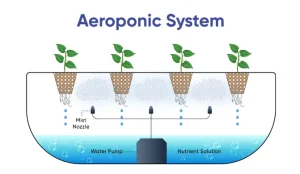
Aeroponics:
Aeroponics is a soilless cultivation technique in which plants are grown suspended in air or on a support structure, with their roots periodically misted or sprayed with a nutrient-rich solution. Aeroponic systems provide optimal oxygenation and nutrient delivery to the roots, promoting rapid growth, increased nutrient uptake efficiency, and reduced water consumption compared to traditional growing methods.
Hydroponics:
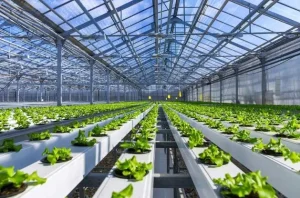
Hydroponics is a soilless cultivation method in which plants are grown in nutrient-rich water solutions instead of traditional soil. Hydroponic systems provide precise control over nutrient delivery, water uptake, and environmental conditions, enabling year-round crop production, higher yields, and efficient resource use in controlled environments.
Aquaponics:
Aquaponics is a sustainable farming system that integrates aquaculture (fish farming) with hydroponics (soilless plant cultivation) in a symbiotic ecosystem. In aquaponic systems, fish waste serves as a nutrient source for plants, while plants purify water and provide habitat for beneficial microorganisms, creating a closed-loop nutrient cycle that supports both plant and fish growth.
Floriculture:
Floriculture is the branch of horticulture focused on the cultivation, production, and marketing of ornamental flowering plants and cut flowers for decorative and aesthetic purposes. Floriculture includes the production of bedding plants, potted plants, floral arrangements, and specialty crops, serving floral industries, retail markets, and special events.
Herbiculture:
Herbiculture is the cultivation and management of herbaceous plants, including culinary herbs, medicinal herbs, and ornamental herbs, for culinary, medicinal, aromatic, and decorative purposes. Herbiculturists grow herbs in gardens, greenhouses, and indoor settings, applying specialized techniques for propagation, harvesting, and postharvest handling to optimize plant quality and yield.
Viticulture:
Viticulture is the science and practice of grape growing for wine production, encompassing vineyard establishment, management, and grapevine physiology. Viticulturists study factors such as soil, climate, grape varieties, pruning, trellising, and pest management to optimize grape quality, yield, and vineyard sustainability in different winegrowing regions.
Olericulture:
Olericulture is the branch of horticulture dedicated to the cultivation, production, and management of vegetable crops for culinary and nutritional purposes. Olericulturists grow a wide range of vegetable crops, including leafy greens, root vegetables, legumes, and fruiting vegetables, using sustainable and intensive production practices to meet consumer demand for fresh and nutritious produce.
Pomology:
Pomology is the science and practice of fruit cultivation and production, focusing on the biology, cultivation, management, and postharvest handling of fruit-bearing plants, including tree fruits, small fruits, and nuts. Pomologists study fruit tree genetics, breeding, propagation, orchard management, pest control, and fruit quality enhancement to improve fruit yield, flavor, nutrition, and marketability.
Sustainable Agriculture:
Sustainable agriculture refers to farming practices that are economically viable, environmentally responsible, and socially equitable, promoting long-term food security, ecosystem health, and rural livelihoods. Sustainable agriculture integrates principles such as soil conservation, water management, biodiversity conservation, energy efficiency, and social equity to ensure resilient and regenerative food systems.
Agroecology:
Agroecology is an interdisciplinary approach to agriculture that integrates ecological principles, scientific knowledge, and traditional practices to design and manage sustainable farming systems. Agroecologists study ecological processes, nutrient cycling, biodiversity, and ecosystem services to develop agroecosystems that enhance productivity, resilience, and environmental sustainability while minimizing inputs and externalities.
Genetic Engineering:
Genetic engineering is a biotechnology technique that involves manipulating the genetic material of organisms to introduce desirable traits or characteristics. In agriculture, genetic engineering is used to develop genetically modified (GM) crops with traits such as pest resistance, herbicide tolerance, drought tolerance, and enhanced nutritional value, aiming to address agricultural challenges and improve crop performance.
Seed Science:
Seed science is the study of seeds, including their structure, physiology, genetics, germination, dormancy, and seedling establishment. Seed scientists develop and apply techniques for seed production, preservation, quality testing, and enhancement to ensure the availability
Biotechnology:
Biotechnology involves the use of living organisms, cells, or biological systems to develop products, technologies, and processes for various applications, including agriculture. In agriculture, biotechnology techniques such as genetic engineering, tissue culture, and marker-assisted breeding are used to improve crop traits, develop new varieties, enhance resistance to pests and diseases, and increase productivity and sustainability.
Plant Breeding:
Plant breeding is the science and art of manipulating plant genetics to develop new varieties with desired traits, such as higher yield, improved quality, resistance to pests and diseases, and tolerance to environmental stresses. Plant breeders use traditional breeding methods, as well as modern biotechnological tools and techniques, to create diverse and resilient crop varieties that meet the needs of farmers, consumers, and the environment.
Weed Control:
Weed control involves the management and suppression of undesirable plants (weeds) that compete with cultivated crops for resources such as water, nutrients, light, and space. Weed control methods include cultural practices, mechanical cultivation, mulching, hand weeding, herbicide application, and biological control, aiming to minimize weed interference and optimize crop yield and quality.
Mulching:
Mulching is a cultivation practice that involves covering the soil surface around plants with a layer of organic or synthetic material, such as straw, leaves, plastic film, or landscape fabric. Mulching helps conserve soil moisture, suppress weed growth, regulate soil temperature, prevent erosion, improve soil structure, and enhance nutrient cycling, promoting plant health, growth, and productivity.
Transpiration:
Transpiration is the process by which plants lose water vapor through small openings called stomata on their leaves. Transpiration plays a crucial role in nutrient uptake, temperature regulation, and the movement of water and minerals through the plant, contributing to plant hydration, growth, and overall health.
Stomata:
Stomata are small pores or openings found primarily on the underside of plant leaves, responsible for gas exchange, including the uptake of carbon dioxide (CO2) for photosynthesis and the release of oxygen (O2) and water vapor. Stomata also regulate water loss through transpiration and help maintain internal plant hydration and gas exchange balance.
Turgor Pressure:
Turgor pressure is the pressure exerted by the cell contents against the cell wall in plant cells, resulting from the osmotic flow of water into the cell vacuole. Turgor pressure provides structural support to plant cells, maintains cell shape and rigidity, and plays a crucial role in cell expansion, growth, and overall plant turgidity.
Xylem:
Xylem is a specialized vascular tissue in plants responsible for transporting water and dissolved minerals from the roots to the rest of the plant, primarily through capillary action and transpiration. Xylem vessels consist of hollow, elongated cells with reinforced cell walls, providing structural support and facilitating the upward movement of water against gravity.
Phloem:
Phloem is another type of vascular tissue in plants responsible for transporting organic nutrients, such as sugars, amino acids, and hormones, from photosynthetic tissues (source) to various parts of the plant for growth, storage, and metabolism (sink). Phloem consists of sieve tubes and companion cells, forming a network of interconnected channels for bidirectional nutrient transport.
Hybridization:
Hybridization is a breeding technique that involves crossing two genetically distinct plant varieties or species to produce offspring with desirable traits, such as increased yield, disease resistance, or environmental adaptability. Hybrid plants exhibit hybrid vigor or heterosis, resulting from the combination of favorable genetic traits from both parent plants.
Grafting:
Grafting is a horticultural technique that involves joining the tissues of two different plant varieties or species to create a single plant with combined traits. Grafting is commonly used to propagate plants, enhance disease resistance, improve fruit quality, or adapt plants to specific environmental conditions.
Senescence:
Senescence is the natural process of aging and deterioration in plant tissues, leading to the eventual death and decomposition of cells, organs, or the entire plant. Senescence involves biochemical and physiological changes, including nutrient remobilization, chlorophyll degradation, and programmed cell death, occurring in response to internal and external cues such as developmental stage, environmental stress, and seasonal changes.
Photosynthesis:
Photosynthesis is the biochemical process by which green plants, algae, and some bacteria convert light energy, carbon dioxide (CO2), and water into organic compounds, primarily glucose, and oxygen (O2), using chlorophyll and other pigments as catalysts. Photosynthesis provides energy and organic matter for plant growth, maintenance, and reproduction, serving as the foundation of the Earth’s food webs and ecosystems.
Physiology:
Physiology refers to the study of the functions and processes occurring within living organisms, including plants, at the cellular, tissue, organ, and whole-organism levels. Plant physiology encompasses various disciplines, including biochemistry, molecular biology, genetics, and ecology, focusing on understanding how plants grow, develop, respond to environmental stimuli, and interact with their surroundings.
Respiration:
Respiration is the metabolic process by which plants and other living organisms release energy stored in organic compounds, such as sugars, through the oxidation of glucose to produce ATP (adenosine triphosphate) and carbon dioxide (CO2). Plant respiration occurs in mitochondria and complements photosynthesis, providing energy for cellular activities, growth, and maintenance, particularly under low light conditions or during the dark period.
Morphology:
Morphology refers to the study of the form, structure, and appearance of plants, including their organs, tissues, and cells, as well as their growth patterns and adaptations to the environment. Plant morphology encompasses aspects such as plant size, shape, color, texture, and reproductive structures, providing insights into plant classification, evolution, and ecological roles.
Propagation:
Propagation is the process of reproducing plants through various methods, including sexual reproduction (seeds), asexual reproduction (vegetative propagation), tissue culture, and grafting. Propagation techniques allow growers to produce new plants with desirable traits, such as uniformity, disease resistance, and early maturity, for commercial or ornamental purposes.
Nutrition:
Nutrition refers to the acquisition, absorption, and utilization of essential nutrients by plants for growth, metabolism, and reproduction. Plant nutrition encompasses the uptake of water, minerals, and gases from the environment, as well as the synthesis of organic compounds through photosynthesis and other metabolic processes, ensuring optimal plant health, development, and productivity.
Macronutrients:
Macronutrients are essential elements required by plants in relatively large quantities for growth, development, and metabolism. The primary macronutrients include nitrogen (N), phosphorus (P), potassium (K), calcium (Ca), magnesium (Mg), and sulfur (S), which play critical roles in protein synthesis, energy transfer, enzyme activation, and structural integrity of plant tissues.
Micronutrients:
Micronutrients are essential elements required by plants in trace amounts for various biochemical and physiological processes. Micronutrients include iron (Fe), manganese (Mn), zinc (Zn), copper (Cu), boron (B), molybdenum (Mo), and chlorine (Cl), which function as cofactors for enzymes, regulators of metabolic pathways, and mediators of plant growth and development.
Plant Pathology:
Plant pathology is the scientific study of plant diseases, including their causes, symptoms, mechanisms of infection, epidemiology, and management strategies. Plant pathologists investigate the interactions between plants,
Entomology:
Entomology is the scientific study of insects, encompassing their biology, behavior, ecology, classification, and interactions with plants, animals, and the environment. Entomologists study insect pests, beneficial insects, and their impact on agriculture, ecosystems, and human health, contributing to pest management, biodiversity conservation, and sustainable agriculture practices.
Integrated Pest Management (IPM):
Integrated Pest Management (IPM) is a holistic approach to pest control that combines multiple strategies to manage pests effectively while minimizing environmental impact and reliance on chemical pesticides. IPM strategies include biological control, cultural practices, mechanical methods, and targeted pesticide applications, emphasizing prevention, monitoring, and integration of diverse pest management tactics.
Greenhouse Management:
Greenhouse management involves the planning, operation, and maintenance of greenhouse facilities for plant production, including crop selection, environmental control, irrigation, fertilization, pest management, and quality assurance. Greenhouse managers optimize growing conditions, resource utilization, and crop productivity while ensuring environmental sustainability, profitability, and product quality.
Crop Production:
Crop production encompasses the cultivation, management, and harvest of agricultural crops for food, fiber, fuel, and other purposes. Crop production practices include land preparation, planting, irrigation, fertilization, pest control, and harvesting, aiming to maximize yield, quality, and profitability while minimizing environmental impact and resource use.
Urban Agriculture:
Urban agriculture refers to the cultivation, processing, and distribution of food and other agricultural products within urban or peri-urban areas, including rooftop gardens, community gardens, vacant lots, and indoor growing spaces. Urban agriculture promotes local food production, food security, environmental sustainability, and community engagement, contributing to resilient and healthy cities.
Pruning:
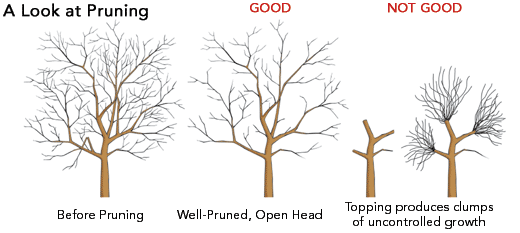
Pruning is the selective removal of plant parts, such as branches, shoots, leaves, or roots, to improve plant structure, health, and productivity. Pruning aims to remove dead, diseased, or damaged tissue, shape plant growth, stimulate new growth, control plant size, and enhance fruiting or flowering. Proper pruning techniques vary depending on plant species, growth habit, and desired outcomes.
Plant Health Care:
Plant health care involves the holistic management of plant health, including preventive measures, monitoring, diagnosis, and treatment of pests, diseases, and environmental stressors. Plant health care programs integrate cultural practices, biological control agents, pest-resistant varieties, and environmentally friendly pesticides to maintain plant vigor, resilience, and productivity while minimizing chemical inputs and environmental impact.
Drip Irrigation:
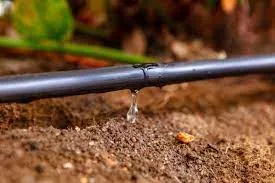
Drip irrigation is a water-efficient irrigation method that delivers water directly to the root zone of plants through a network of tubes, emitters, and drip lines. Drip irrigation systems provide precise control over water delivery, minimizing water loss through evaporation, runoff, and soil surface wetting. Drip irrigation conserves water, reduces weed growth, promotes uniform soil moisture distribution, and enhances nutrient uptake, resulting in improved crop yields and resource efficiency.
Microclimate:
Microclimate refers to the localized climate conditions within a specific area or habitat, influenced by factors such as topography, vegetation, soil type, and human activities. Microclimates can vary significantly from surrounding regions, affecting temperature, humidity, sunlight, wind, and precipitation patterns, and influencing plant growth, adaptation, and productivity in agricultural and natural ecosystems.
Lollipopping:
Lollipopping is a pruning technique used in plant training to remove lower foliage and lateral branches from the lower portion of a plant’s main stem or trunk, creating a “lollipop” shape with a clean, bare stem and a dense canopy of foliage at the top. Lollipopping promotes air circulation, light penetration, and nutrient allocation to upper growth, improving fruit development, and overall plant health and productivity.
Super cropping:
Super cropping is a plant training technique that involves intentionally damaging or bending the stems of plants to promote lateral growth, increase branch density, and enhance bud development. Super cropping can be used to manage plant height, improve light distribution, increase yield potential, and optimize canopy structure in indoor and outdoor cultivation environments.
Monster cropping:
Monster cropping is a plant propagation technique that involves taking cuttings from flowering plants and rooting them to produce new clones. Unlike traditional vegetative cuttings taken from vegetative growth, monster cropping cuttings are taken from plants during the flowering stage, resulting in unique growth patterns and characteristics in the propagated clones.
Low-stress training (LST):
Low-stress training (LST) is a plant training technique used to manipulate plant growth and canopy structure by gently bending and securing stems or branches to encourage horizontal growth and maximize light exposure. LST helps create an even canopy, increase bud sites, improve light penetration, and promote uniform flower development, resulting in higher yields and better quality in indoor and outdoor cultivation environments.
Mainlining:
Mainlining, also known as “manifolding,” is a plant training technique used to create a symmetrical canopy structure with multiple main colas or bud sites. Mainlining involves selectively pruning and training the plant to produce a uniform arrangement of branches or stems, typically through topping and strategic pruning, resulting in even growth, light distribution, and bud development.
SOG (Sea of Green):
Sea of Green (SOG) is a plant cultivation technique that involves growing a large number of small plants closely together in a single grow space, typically with short vegetative periods and minimal pruning or training. SOG setups maximize space utilization, light penetration, and crop turnover, allowing growers to achieve high yields in a short time by focusing on rapid flowering and harvest cycles.
ScrOG (Screen of Green):
Screen of Green (ScrOG) is a plant training method that involves using a horizontal screen or trellis to support and train plant branches to grow horizontally, creating a flat, even canopy. ScrOG techniques help maximize light exposure, promote lateral growth and bud development, and optimize yield potential by spreading out the plant canopy and increasing the number of flowering sites.
Topping:
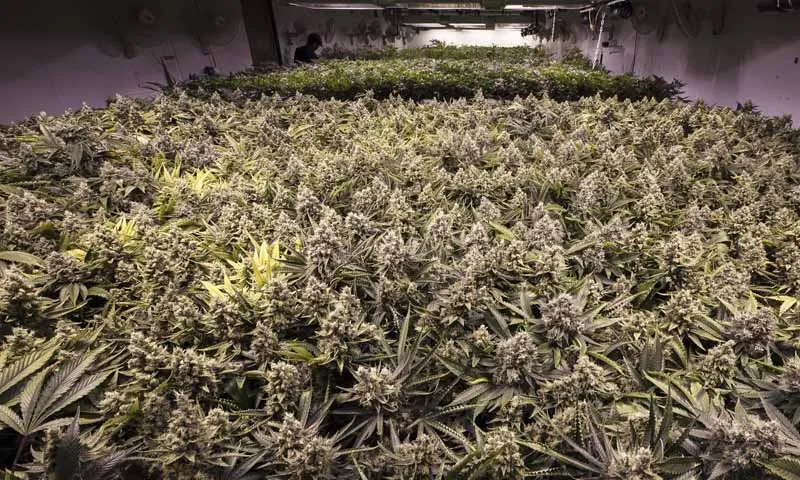
Topping is a pruning technique used to remove the apical or terminal bud of a plant, resulting in the stimulation of lateral branching and the development of multiple colas or bud sites. Topping redirects the plant’s growth hormone auxin to lower branches, encouraging bushier growth and increasing the number of flowering sites, which can lead to higher yields and improved light penetration in the canopy.
Fimming:
Fimming is a variation of topping that involves removing the upper portion of the apical bud, typically by cutting off the topmost part of the stem above the node, leaving behind a small cluster of leaves and growing tips. Fimming results in the development of multiple new growth points and lateral branches, similar to topping but with a less precise cut, leading to increased branching, bushier growth, and enhanced yield potential.
Backcrossing:
Backcrossing is a plant breeding technique used to reintroduce specific traits or genes from a desired parent plant into the genetic background of an established variety. Backcrossing involves crossing a hybrid or offspring plant with one of its parent plants multiple times, selecting for the desired trait with each generation, and stabilizing the genetic composition to produce offspring with the desired trait while retaining the characteristics of the original variety.
Layering:
Layering is a propagation technique used to propagate new plants from established parent plants by encouraging the growth of roots on stems or branches while they are still attached to the parent plant. Layering methods include simple layering, where a portion of a stem is buried in soil or substrate, and air layering, where a section of a stem is wounded, treated with rooting hormone, and wrapped in moist media until roots develop.
Air Layering:
Air layering is a propagation method used to grow new plants from stems or branches while they are still attached to the parent plant. In air layering, a portion of the stem is wounded, treated with rooting hormone, and wrapped in a moist medium such as sphagnum moss or perlite. Roots develop at the wounded area, and once well-established, the rooted section is severed from the parent plant and potted separately to grow into a new plant.
Division:
Division is a propagation technique used to propagate plants by separating the parent plant into two or more parts, each containing roots and shoots. Division is commonly used for perennial plants that naturally produce multiple stems or clumps, such as ornamental grasses, herbaceous perennials, and some bulbs. Each divided section is replanted separately to establish new individual plants.
Bud Grafting:
Bud grafting, also known as bud grafting or chip budding, is a grafting technique used to propagate plants by grafting a single bud or bud chip from a desired variety onto a compatible rootstock. Bud grafting is commonly used for fruit trees, roses, and ornamental trees, allowing growers to propagate new plants with specific traits while maintaining the desirable root characteristics of the rootstock.
Bulb Division:
Bulb division is a propagation method used to multiply bulbous plants by separating the parent bulb into smaller bulb segments, each capable of producing a new plant. Bulb division is commonly used for flowering bulbs such as tulips, daffodils, and lilies, allowing gardeners to propagate and rejuvenate bulb stocks, enhance flowering displays, and create new planting arrangements.
Offset Propagation:
Offset propagation is a method of vegetative reproduction used by plants that produce offset or daughter plants as part of their natural growth cycle. Offsets are small, genetically identical clones that develop at the base of the parent plant or along rhizomes, stolons, or runners. Once mature, offsets can be detached from the parent plant and replanted to establish new individual plants.
Runners:
Runners, also known as stolons, are specialized above-ground stems that grow horizontally along the soil surface and produce new plantlets at nodes or intervals. Runners are common in plants such as strawberries, spider plants, and certain grasses, serving as a means of vegetative propagation by allowing new plants to form at the nodes of the runner and establish themselves as independent individuals.
Suckering:
Suckering is a propagation method used by plants that produce adventitious shoots or suckers from the roots or base of the parent plant. Suckers are genetically identical clones that emerge from underground rhizomes or lateral roots and grow into new plants. Suckering is common in plants such as raspberries, roses, and fruit trees, providing a natural means of vegetative reproduction and colony expansion
Equipment and Supplies:
Grow Lights:
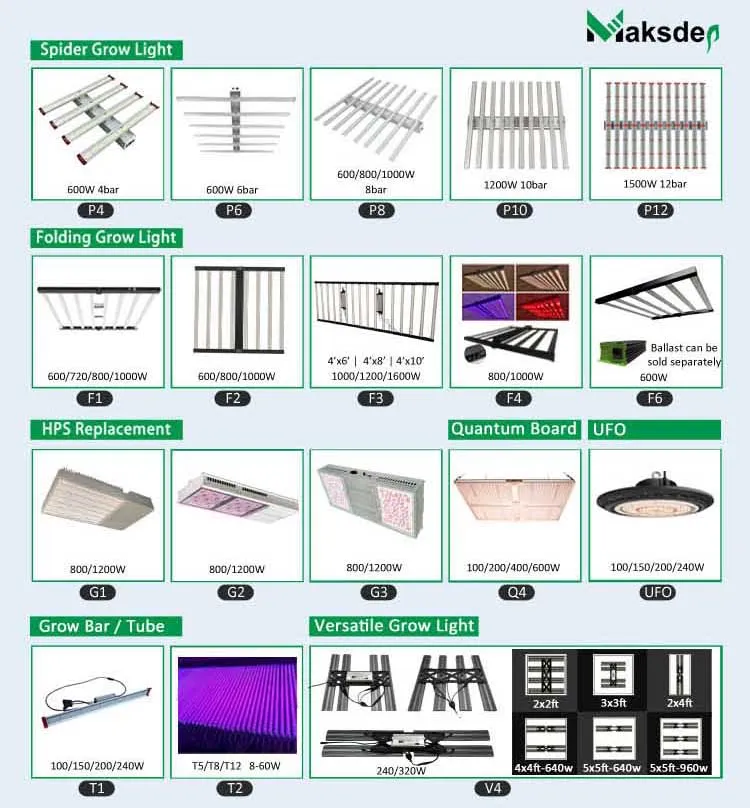
Grow lights are artificial light sources designed to mimic the natural sunlight necessary for plant growth, particularly in indoor or low-light environments. Grow lights provide the essential light spectrum and intensity needed for photosynthesis, allowing plants to grow and develop properly regardless of external lighting conditions. Different types of grow lights, such as LED, fluorescent, and high-intensity discharge (HID) lights, offer various spectra and efficiency levels suited for different stages of plant growth and specific plant requirements. We are led grow light manufacturer, offering various kinds of led grow lights.
Ventilation System:
A ventilation system is an essential component of indoor growing setups, designed to regulate airflow, temperature, humidity, and air quality within grow spaces such as grow tents, grow rooms, or greenhouses. Ventilation systems typically include exhaust fans, intake fans, ducting, and filters to remove stale air, control odors, prevent heat buildup, and maintain optimal environmental conditions for plant growth. Proper ventilation helps prevent mold, mildew, pests, and other issues while promoting healthy plant growth and maximizing yields.
Carbon Filter:
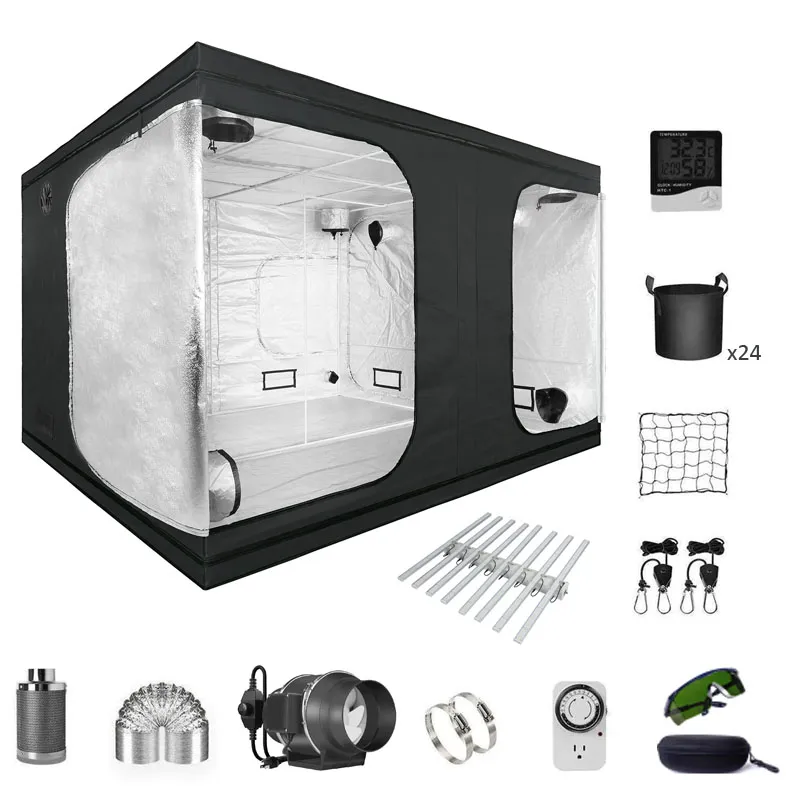
A carbon filter, also known as a carbon scrubber or activated carbon filter, is a device used to remove odors, volatile organic compounds (VOCs), and airborne contaminants from indoor air or exhaust air in grow spaces. Carbon filters contain activated carbon, a highly porous material with adsorbent properties that trap and neutralize odorous molecules and impurities as air passes through. Carbon filters are commonly used in conjunction with ventilation systems to maintain odor control and air purification in indoor growing environments. We have grow tent kits including all accessories needed.
Grow Tents or Grow Rooms:
Grow tents and grow rooms are enclosed indoor spaces specifically designed for cultivating plants, providing controlled environments for optimal growth and production. Grow tents are portable, lightweight, and easy to set up, typically constructed with reflective interior walls, sturdy frames, and lightproof fabric to create an enclosed growing area. Grow rooms are permanent or semi-permanent structures built within indoor spaces, offering larger capacities, customizable layouts, and integrated ventilation and lighting systems for commercial or larger-scale indoor cultivation operations.
Hydroponic System or Growing Medium:
A hydroponic system is a soilless cultivation method in which plants are grown in nutrient-rich water solutions instead of traditional soil. Hydroponic systems utilize various growing mediums, such as rockwool, perlite, vermiculite, coco coir, or clay pellets, to support plant roots and provide stability while allowing for nutrient uptake and oxygenation. Hydroponic systems offer precise control over nutrient delivery, water pH, and environmental conditions, promoting faster growth, higher yields, and efficient resource use in indoor growing environments.
pH and EC/TDS Meters:
pH and EC/TDS (electrical conductivity/total dissolved solids) meters are essential tools used to monitor and adjust the pH level and nutrient concentration of water solutions in hydroponic systems or soil-based growing setups. pH meters measure the acidity or alkalinity of the nutrient solution, ensuring that the pH level remains within the optimal range for nutrient availability and plant uptake. EC/TDS meters measure the concentration of dissolved salts or nutrients in the water, helping growers maintain proper nutrient levels and prevent nutrient imbalances or deficiencies in plants.
Temperature and Humidity Monitor:
Temperature and humidity monitors are devices used to measure and track temperature and relative humidity levels in indoor growing environments. These monitors provide real-time data on environmental conditions, allowing growers to adjust ventilation, heating, cooling, and humidity control systems as needed to maintain optimal growing conditions for plant health and growth. Monitoring temperature and humidity helps prevent stress, disease, and other issues caused by fluctuations in environmental parameters.
Nutrients and Supplements:
Nutrients and supplements are essential elements and compounds added to hydroponic nutrient solutions or soil-based growing mediums to provide plants with the essential macronutrients, micronutrients, and other beneficial substances needed for healthy growth and development. Hydroponic nutrient solutions are typically formulated with specific ratios of nitrogen (N), phosphorus (P), potassium (K), calcium (Ca), magnesium (Mg), and other essential elements tailored to the needs of different plant species and growth stages. Supplements such as vitamins, amino acids, enzymes, and microbial inoculants may also be added to enhance plant vigor, resilience, and nutrient uptake efficiency.
pH Adjustment Solutions:
pH adjustment solutions are chemical substances used to modify the pH level of water or nutrient solutions in hydroponic systems or soil-based growing setups. These solutions typically contain acids or bases that can raise or lower the pH of the solution as needed to maintain the optimal pH range for plant nutrient availability and uptake. pH adjustment solutions are essential for preventing nutrient lockout or deficiencies caused by imbalanced pH levels, ensuring optimal plant growth and health.
Pruning and Trimming Tools:
Pruning and trimming tools are essential implements used by growers to selectively remove unwanted plant parts, such as leaves, stems, branches, or roots, to promote plant health, shape growth, and optimize yield. Common pruning and trimming tools include scissors, pruning shears, trimming scissors, bypass loppers, and pruning saws, each designed for specific tasks and plant sizes. Proper pruning and trimming techniques help maintain plant structure, airflow, light penetration, and overall vitality, reducing the risk of disease, pest infestation, and nutrient competition among plant parts.
Propagation Supplies:
Propagation supplies are materials and equipment used to propagate new plants from seeds, cuttings, divisions, or other vegetative propagation methods. These supplies may include propagation trays, seedling pots, rooting hormone, sterile growing media, humidity domes, heat mats, misting systems, and propagation chambers or propagation tents. Propagation supplies help create optimal conditions for seed germination, root development, and plant establishment, facilitating successful propagation and transplanting of young seedlings or clones.
Watering and Irrigation System:
A watering and irrigation system is a method or device used to deliver water to plants efficiently and effectively in indoor growing environments. Watering and irrigation systems may include drip irrigation systems, soaker hoses, watering cans, spray nozzles, or automatic irrigation timers connected to overhead or drip irrigation lines. These systems help ensure uniform moisture distribution, prevent water waste, and promote plant uptake of water and nutrients, contributing to healthy root development, growth, and productivity.
Trellis or Plant Supports:
Trellises and plant supports are structures or devices used to support and train climbing or vining plants, such as tomatoes, cucumbers, or beans, to grow vertically and maximize space utilization in indoor growing setups. Trellises may be made of materials such as wood, bamboo, metal, or plastic, and can be freestanding or attached to walls, ceilings, or grow tents. Plant supports, such as stakes, cages, or netting, help prevent sprawling, improve airflow, and facilitate harvesting, resulting in healthier plants and higher yields.
CO2 Generator or Enrichment System:
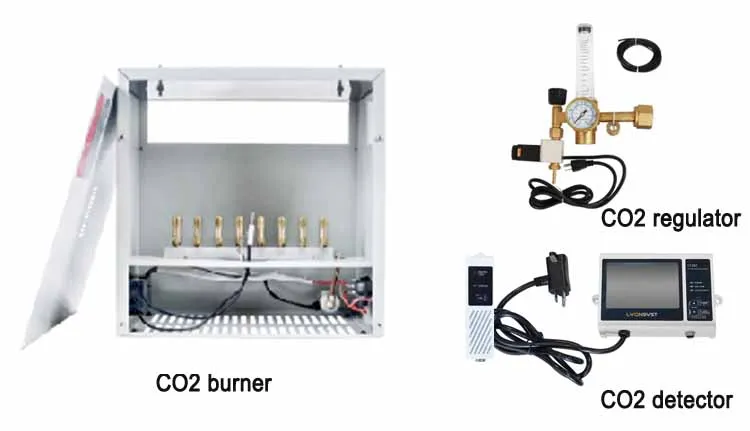
CO2 generators or enrichment systems are devices used to supplement carbon dioxide (CO2) levels in indoor growing environments to enhance plant photosynthesis, growth, and productivity. CO2 generators typically burn propane or natural gas to produce CO2 gas, while CO2 enrichment systems release compressed CO2 gas from tanks or cylinders into the grow space. Elevated CO2 levels stimulate plant growth, increase carbohydrate production, and improve plant resistance to environmental stresses, resulting in faster growth rates and larger yields.
Timer:
A timer is an essential device used to automate and control the timing of lighting, watering, irrigation, ventilation, or other environmental factors in indoor growing setups. Timers can be programmable digital devices or mechanical timers that activate or deactivate electrical appliances or systems according to preset schedules or intervals. Timers help maintain consistency, precision, and efficiency in managing grow room conditions and routines, ensuring optimal plant growth, health, and productivity.
Safety Equipment:
Safety equipment includes protective gear and devices used to ensure the safety of growers and maintain a secure working environment in indoor growing facilities. Common safety equipment may include gloves, goggles, respirators, masks, aprons, ear protection, first aid kits, fire extinguishers, and safety signage. Safety equipment helps minimize the risk of accidents, injuries, exposure to hazardous chemicals or pathogens, and compliance with safety regulations and protocols.
Monitoring and Control Systems:
Monitoring and control systems are advanced technologies used to monitor, analyze, and adjust environmental parameters such as temperature, humidity, CO2 levels, light intensity, and nutrient concentrations in indoor growing environments. These systems may include sensors, data loggers, controllers, and automation software that provide real-time data, alerts, and remote access for growers to optimize growing conditions, troubleshoot issues, and maximize crop performance and yield. Monitoring and control systems help growers achieve precision, consistency, and efficiency in managing indoor growing environments while minimizing resource use and environmental impact.
Contact us for more information>>