

When considering whether LED grow lights can cause cancer, it’s essential to differentiate between types of light and their respective safety profiles. Grow lights, which often utilize LEDs (Light Emitting Diodes), are primarily designed to promote plant growth by emitting light suitable for photosynthesis. These lights typically emit a spectrum that includes visible light, and sometimes UV light, depending on the design.
Most led grow lights are of full spectrum white with 660nm red and 730nm IR. Some grow light fixtures are with blue and UV lights. The primary concern with any artificial light source would be the potential emission of ultraviolet (UV) light, which can be harmful in large doses. UV light has been linked to skin cancer from excessive exposure, such as from the sun or artificial sources like tanning beds. However, most LED grow lights used in homes and for commercial agriculture are designed to minimize or exclude UV emissions to be safe for regular use.
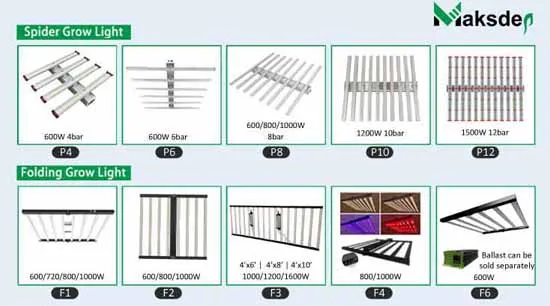
We mainly provide led grow lights with full spectrum and red lights, suitable for all stages of plants growth. If want customization with UV and blue light, we can also do it.
You may also concerned:
UV is bad to human, why still add UV in grow light?
The inclusion of UV light in grow lights is purposeful and based on several beneficial aspects related to plant growth and health. Here are the main reasons why designers or producers might add UV light to grow lights:
- Enhancing Plant Growth: Some studies suggest that UV light can promote healthier, more robust plant growth. It can help in regulating plant height, leaf size, and even flowering time, which are critical factors for both commercial and hobbyist growers.
- Disease Resistance: UV light has been shown to increase certain plants’ resistance to diseases. This effect is believed to be due to the light stimulating the plant’s natural defense mechanisms, producing protective compounds that can fend off pathogens.
- Pest Control: UV light can reduce the prevalence of pests on plants. Certain types of UV light can deter pests or inhibit their development, which is beneficial in reducing the need for chemical pesticides.
- Improving Flavors and Nutrients: Exposure to UV light can enhance the production of flavonoids and other secondary metabolites in some plants. These compounds are not only beneficial for plant health but also improve the nutritional value and taste of fruits and vegetables.
- Mimicking Natural Light: Natural sunlight contains UV light, and replicating this aspect in grow lights can create a more natural environment that supports the full spectrum of plant processes. This can be particularly important in controlled environments like greenhouses or indoor farms where natural sunlight is limited.
Can LED grow lights cause cancer?
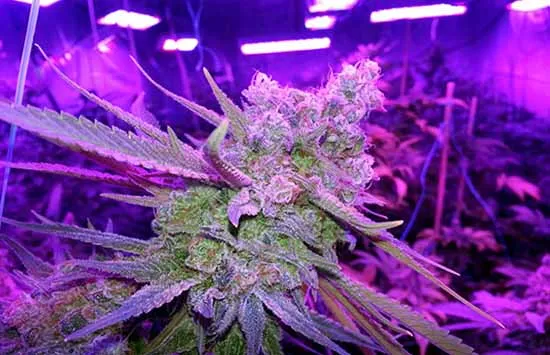
No. Led grow lights can not cause cancer. Most grow lights don’t include UV lights. Some items may include, but they are designed in a way that the UV levels are safe and effective for plant growth without posing risks to human health. So don’t worry.
However, some studies have suggested that excessive exposure to blue light from LED lights may potentially increase the risk of certain health issues like eye strain, disrupted sleep cycles, and possibly contribute to conditions like age-related macular degeneration. Overall, LED lights are generally considered safe for typical use, but moderation is still recommended
Below, we will deeply dive into:
LED grow lights to human health
Understanding LED Grow Lights
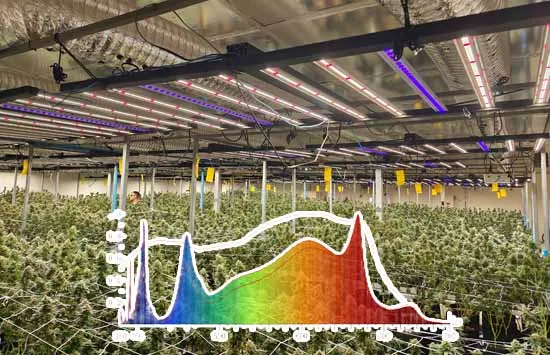
LED grow lights are engineered to support plant growth by simulating the full spectrum of sunlight, which includes not just the visible range but also extends into ultraviolet and infrared. The core technology behind LED grow lights involves using semiconductors to convert electricity directly into light, making them highly efficient and durable. These lights typically emit specific wavelengths that are tailored to the needs of plants at different growth stages:
- Blue Light (400-500 nm): Essential for the vegetative growth phase, blue light helps promote leaf and stem growth.
- Red Light (600-700 nm): Crucial for the flowering and fruiting stages, red light influences the development of buds and fruits.
Health Risks Associated with LED Grow Lights
LED grow lights are crucial for indoor planting. But also should pay attention, there are potential health risks associated with their improper use:
- Eye Safety: The intense brightness and blue light emission from LED grow lights can be harmful if viewed directly, potentially leading to photochemical retinopathy, where the light damages the retina over time. This condition is similar to the damage caused by looking directly at the sun.
- UV Radiation: Some LED grow lights emit UV light to mimic natural sunlight more effectively. While beneficial for plants, UV light can be harmful to human skin and eyes, increasing the risk of skin cancer and other forms of photodamage if exposure is not properly managed.
- Flickering: Poorly manufactured LED lights can flicker, which is often imperceptible to the human eye but can cause headaches, eye strain, and even trigger seizures in individuals with photosensitive epilepsy.
- Electromagnetic Emissions: LED grow lights, like other electronic devices, emit low levels of electromagnetic fields (EMFs), which, although typically well below harmful levels, can be a concern for sensitive individuals or when using a large number of lights in a confined space.
Potential Health Benefits
LED grow lights, beyond promoting plant growth, can also provide several health benefits for humans, particularly through indirect exposure:
- Improved Mood and Cognitive Function: Exposure to light that mimics natural sunlight can enhance mood and mental clarity. LED grow lights that emit a spectrum similar to daylight can help regulate circadian rhythms, leading to better sleep patterns and improved overall mental health.
- Vitamin D Production: While not all LED grow lights emit UVB, those that do can help catalyze the production of Vitamin D in the skin, which is essential for bone health and immune function.
- Therapeutic Effects: Certain spectrums of light have been shown to have therapeutic effects, such as blue light, which can reduce symptoms of Seasonal Affective Disorder (SAD) and other forms of depression.
- Visual Comfort and Productivity: Properly designed LED lighting in indoor environments can reduce eye strain and increase visual comfort, leading to higher productivity and reduced fatigue, especially in settings like offices or schools where natural light is limited.
Safety Standards
Ensuring the safety of LED grow lights involves adhering to various international standards and guidelines that address both health and environmental concerns:
All our grow lights are ETL, DLC, CE, RoHS approved, quality assured, And all parts we applied is UL listed, safe assured. If you need grow lights for your greenhouse, please contact us with confidence.

Case Studies and Research
Research into the effects of LED grow lights on human health is extensive and provides valuable insights:
- Study on Circadian Rhythm: A prominent study published in the Journal of Clinical Endocrinology & Metabolism found that exposure to LED lighting with a high concentration of blue light during the day helped synchronize the circadian rhythms of office workers to the natural light-dark cycle, improving sleep quality and productivity.
- UV Radiation Research: Research conducted by the Dermatology Online Journal indicates that UV-emitting LED lights can be a double-edged sword. While beneficial for plants, they can increase the risk of skin cancer if protective measures are not used.
- Impact on Eye Health: A case study from the American Journal of Ophthalmology reported instances where prolonged exposure to intense LED grow lights without adequate eye protection led to retinal damage and temporary vision impairment.
- Long-Term Health Outcomes: Longitudinal studies are examining the long-term effects of exposure to different light spectrums emitted by LED grow lights, focusing on potential changes in mood, immune system response, and overall health.
These studies underscore the importance of using LED grow lights within the recommended safety guidelines to maximize benefits and minimize risks.
Conclusion
LED grow lights are revolutionary in enhancing plant growth and agricultural productivity, they must be used with consideration of their potential health impacts. The benefits, such as improved mood, better sleep, and potential therapeutic effects, highlight the positive side of this technology. However, risks like eye strain, UV exposure, and the potential for electromagnetic emissions underscore the need for careful and informed use.
Balancing the benefits of efficient plant growth with the potential health risks is crucial. By adhering to safety standards and using these lights responsibly, we can minimize health risks and enjoy the advantages they offer.
Are grow lights bad for your eyes
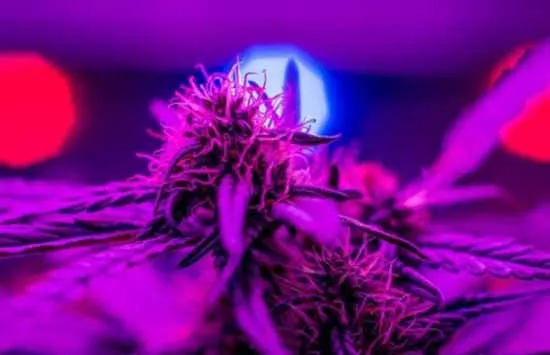
Grow lights, particularly those with high intensity or that emit UV light, can be hazardous to your eyes. The risk primarily comes from prolonged exposure to intense light, which can lead to discomfort and potential damage similar to how sunlight can cause harm. LEDs used in grow lights can be especially intense and may cause glare or direct eye exposure if not properly shielded or used at a safe distance. Symptoms of overexposure to intense lighting can include eye strain, headaches, and in severe cases, permanent eye damage.
To minimize risks, it’s crucial to use grow lights according to manufacturer guidelines, ensuring they are correctly installed and are not directly shining into your eyes. Wearing protective eyewear that filters out harmful wavelengths can also be beneficial.
