
Bud washing is a technique used by some cannabis growers to clean harvested buds before drying and curing. It involves rinsing the buds in a solution of water and mild, natural cleaning agents to remove dirt, dust, insects, and other contaminants that may be present on the surface of the buds. The process is believed to help improve the overall cleanliness and quality of the buds, although some growers prefer not to wash their buds to avoid potential issues with mold or mildew growth.
What is bud washing and how to bud wash?
- Prepare the Solution: Mix a solution of water with a gentle cleaning agent such as hydrogen peroxide, baking soda, or lemon juice. The solution should be diluted to avoid damaging the buds. Some growers also add a small amount of food-grade wash to help remove contaminants.
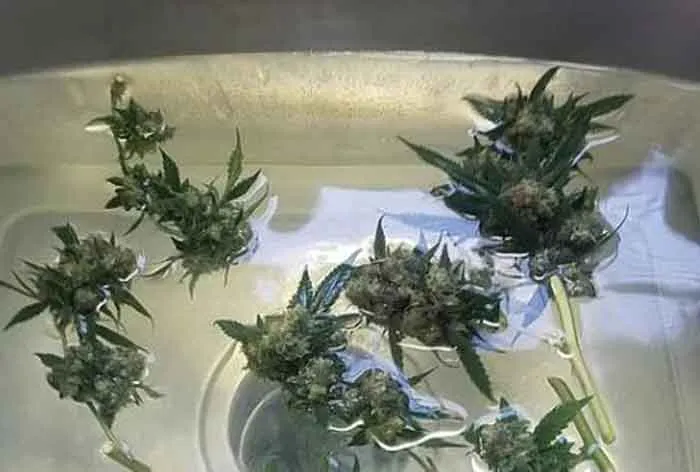
- Soak the Buds: Submerge the harvested buds in the solution and gently agitate them to loosen any dirt or debris. Allow the buds to soak for a short period, usually no more than a few minutes. Be careful not to agitate the buds too much, as this can damage the trichomes and affect the potency of the buds.
- Rinse the Buds: After soaking, rinse the buds thoroughly with clean water to remove the cleaning solution and any loosened debris.
- Dry the Buds: Once rinsed, allow the buds to dry completely before proceeding with the drying and curing process. Some growers use a fan or gentle airflow to speed up the drying process, while others prefer to air dry the buds slowly.
What are the benefits of bud washing?
- Removal of Contaminants: Bud washing can help remove dirt, dust, debris, and potential contaminants such as pests, mold spores, and residual pesticides that may be present on the surface of the buds, leading to a cleaner final product.
- Improved Appearance: Washing buds can enhance their visual appeal by removing any surface impurities, and giving them a fresher, more appealing look.
- Potential Health Benefits: Removing contaminants from the surface of buds may reduce the risk of inhaling or ingesting harmful substances, which could be beneficial for individuals with compromised immune systems or respiratory issues.
- Reduced Risk of Mold: Washing buds may help reduce the risk of mold growth, especially if the buds were exposed to high humidity or other conditions conducive to mold growth during cultivation.
- Enhanced Flavor: Some growers report that washing buds can improve the flavor and overall smoking experience.
Is bud washing safe for my cannabis buds? (Are there any risks or drawbacks to bud washing?)
- Loss of potency: Some users and growers believe that bud washing can negatively impact the flavor, aroma, and potency of the buds. This is because washing can remove some of the trichomes, which contain cannabinoids and terpenes.
- Risk of mold or mildew: While bud washing can help remove contaminants and reduce the risk of mold, improper drying after washing can actually increase the risk of mold and mildew growth. It’s crucial to dry the buds thoroughly and in a well-ventilated area after washing.
- Damage to trichomes: Agitating the buds too much during washing can damage the trichomes, which are the resin glands that contain the cannabinoids and terpenes responsible for the effects and aroma of the cannabis. It’s important to handle the buds gently to avoid damaging the trichomes.
- Drying Time: Washing can increase the drying time of the buds. Properly drying the buds is crucial to prevent mold and mildew growth.
- Method and Solution: Using the wrong cleaning agents or solutions can be harmful to the buds. It’s important to use gentle, natural cleaning agents and to dilute them properly.
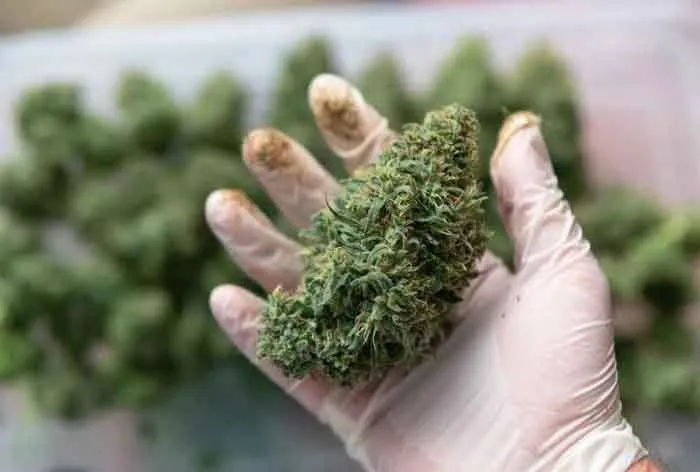
What kind of water and cleaning agents should I use for bud washing?
- Hydrogen Peroxide: Food-grade hydrogen peroxide (3%) is a popular choice for bud washing. It can help remove contaminants and kill bacteria without leaving residues. Dilute hydrogen peroxide with water (1 part hydrogen peroxide to 5-10 parts water).
- Baking Soda: Baking soda is another safe and effective cleaning agent. It can help remove dirt and debris from the buds. Mix a small amount of baking soda with water to create a solution. It is mildly alkaline and can help neutralize odors.
- Lemon Juice: Lemon juice is natural and can help break down residues on the buds. Mix fresh lemon juice with water to create a solution.
- Vinegar: White vinegar can be used as a cleaning agent for bud washing. It can help remove residues and kill bacteria. Mix vinegar with water to create a solution.
When should I consider bud washing my cannabis buds?
- Outdoor Growing: If you’ve grown cannabis outdoors where the buds may have been exposed to dirt, dust, pests, or environmental contaminants, bud washing can help clean the buds before drying and curing.
- Mold or Mildew Concerns: If you suspect or have detected mold or mildew on your buds, bud washing can help remove these contaminants and prevent further growth.
- Pesticide Residue: If you’ve used pesticides or other chemicals on your plants and are concerned about residues on the buds, bud washing can help remove these residues.
- General Cleanliness: Even if your buds appear clean, washing them can help remove any residual dirt, dust, or debris, resulting in cleaner-looking buds.
- Personal Preference: Some growers prefer to wash their buds as part of their harvesting process to ensure they are as clean as possible before drying and curing.
Can bud washing help improve the flavor and quality of my cannabis?
Yes, bud washing can help improve the flavor and quality of your cannabis by removing contaminants that may affect its taste and overall smoking experience. However, it’s important to note that bud washing is a controversial practice. If you decide to try bud washing, it’s essential to do so carefully and thoroughly, using the proper cleaning agents and techniques to minimize any potential negative effects on flavor and quality.
What is the best way to dry and cure cannabis buds after washing?
- Gently shake off excess water from the buds.
- Place the buds on a drying rack or mesh screen in a cool, dark, and well-ventilated area. Avoid direct sunlight.
- Maintain a temperature of around 60-70°F (15-21°C) and humidity of 45-55%.
- Allow the buds to dry slowly for about 5-10 days, depending on the size and density of the buds. Buds should feel dry on the outside but still slightly moist inside.
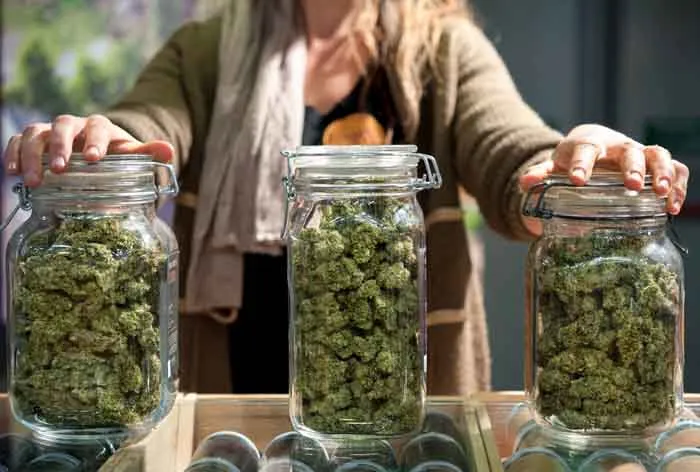
- Once the buds are dry, transfer them to airtight glass jars.
- Fill the jars about 3/4 full to allow for air circulation.
- Store the jars in a cool, dark place with a temperature of around 60-70°F (15-21°C) and humidity of 55-62%.
- Open the jars once a day for the first week to release any excess moisture, then once a week for the next few weeks.
- Allow the buds to cure for at least 2-4 weeks, or longer for a smoother, more flavorful smoke.
Are there any alternative methods to bud washing for cleaning cannabis buds?
- Dry Trimming: This method involves trimming the buds after harvest but before drying. It can help remove excess leaves and other debris from the buds without the need for washing.
- Bubble Hash: Bubble hash is a solventless concentrate made by agitating cannabis buds in ice water. The agitation causes trichomes to break off, leaving behind clean buds.
- Dry Sifting: Dry sifting involves gently rubbing cannabis buds over a fine mesh screen to separate trichomes from plant material. This can help remove contaminants without washing.
- Compressed Air: Using compressed air can help remove dust and debris from cannabis buds. However, this method is less effective for removing contaminants like pesticides or mold spores.
- Ultrasonic Cleaning: Some growers use ultrasonic cleaners to clean cannabis buds. This method uses high-frequency sound waves to agitate the buds and remove contaminants. However, it can also remove trichomes and affect potency.
Is bud washing a common practice among commercial cannabis growers?
Can I use tap water for bud washing, or do I need to use distilled or purified water?
It is generally recommended to use clean, preferably distilled or purified water for bud washing. Tap water can contain impurities such as chlorine, fluoride, and other minerals that may affect the taste and quality of the buds. Using distilled or purified water can help ensure that the buds are washed with clean, contaminant-free water, which can help improve the overall cleanliness and quality of the buds.
How long should I wash my cannabis buds for?
What are the environmental impacts of bud washing, and are there any sustainable practices to consider?
- Water Usage: Bud washing requires water, so it’s important to use this resource efficiently. Consider collecting and reusing water when possible, and avoid excessive washing.
- Cleaning Agents: Some cleaning agents used in bud washing, such as hydrogen peroxide or vinegar, can be harmful to the environment if not disposed of properly. Always follow instructions for safe disposal.
- Energy Consumption: If you use a water pump or other equipment for washing, consider the energy consumption and explore ways to reduce energy use, such as using solar-powered equipment.
- Use Natural Cleaning Agents: Instead of using harsh chemicals, consider using natural cleaning agents such as lemon juice or baking soda.
- Collect and Reuse Water: Consider collecting the water used for washing and using it for other purposes, such as watering plants or cleaning.
- Avoid Overwashing: Only wash buds when necessary, and avoid excessive washing to conserve water and reduce environmental impact.
- Proper Disposal: Dispose of cleaning agents and wastewater properly, following local regulations and guidelines to protect the environment.
Can i wash buds after drying?
Why does weed lose its smell?
- Poor storage: Improper storage, such as storing weed in a warm or humid environment, can cause it to lose its smell over time.
- Exposure to air: Exposure to air can cause the terpenes in weed, which are responsible for its aroma, to evaporate, leading to a loss of smell.
- Age: As weed ages, the terpenes and other volatile compounds that give it its smell can degrade, leading to a loss of aroma.
- Poor quality: Low-quality weed may not have a strong smell to begin with, or it may lose its smell more quickly than higher-quality weed.
- Contamination: Contamination with mold, mildew, or other contaminants can cause weed to develop an unpleasant or musty smell, or it may cause the smell to dissipate altogether.
How to make weed softer?
- Use a Humidifier Pack: Humidity packs, also known as humidity control packs or boveda packs, are designed to maintain a specific level of humidity in a sealed container. Place a humidity pack in the container with the weed to help soften it.
- Use a Citrus Peel: Place a small piece of citrus peel (such as orange or lemon) in the container with your weed. The peel will release moisture and add a subtle flavor to the buds.
- Use a Damp Paper Towel: Place a damp (not wet) paper towel in the container with your weed and seal it. Check the towel regularly and replace it if it dries out.
- Use a Fresh Herb: Place a fresh, moist herb (such as mint or basil) in the container with your weed. The moisture from the herb can help rehydrate the buds.
- Rehydrate with Water: While this method is less recommended as it can lead to mold if not done carefully, you can lightly mist your weed with water and then seal it in an airtight container for a short period to rehydrate. Be sure to monitor the moisture levels closely to avoid mold growth.
