
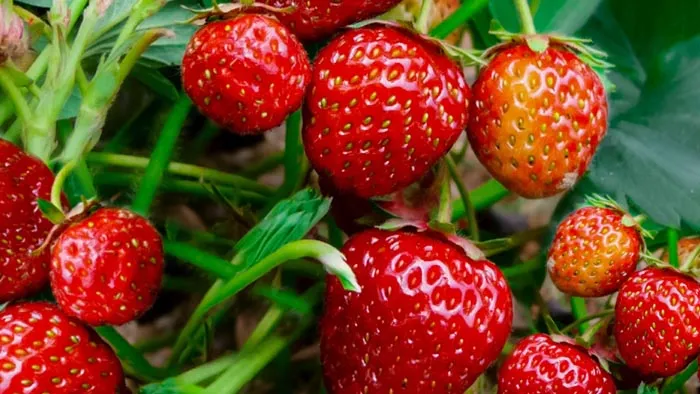
Introduction to Strawberry Plant Growth
Strawberries are a delightful and popular fruit, loved for their sweet flavor and versatility. Growing your own strawberry plants can be a rewarding experience, whether you have a large garden or a small indoor space. But before you start, it’s essential to understand the basics of how strawberry plants grow.
Where Do Strawberry Plants Grow?
Strawberry plants are native to temperate regions but can be grown in a variety of climates. They thrive in well – drained, fertile soil with a slightly acidic pH between 5.5 and 6.5. In the wild, they are often found in meadows, woodlands, and along the edges of forests. In a home garden, they can be planted in raised beds, containers, or directly in the ground. If you live in a colder climate, you can still grow strawberries, but you may need to take extra precautions such as mulching to protect the plants during winter.
Are Strawberry Plants Easy to Grow?
Overall, strawberry plants are relatively easy to grow, making them a great choice for novice gardeners. They don’t require a lot of complex care, but they do have specific needs that, when met, will result in healthy plants and a bountiful harvest. With proper sunlight, water, and soil conditions, you can enjoy fresh strawberries right from your own garden.
Starting Your Strawberry Plants
Can You Grow a Strawberry Plant from a Strawberry?
While it’s an interesting idea, growing a strawberry plant from a strawberry is not the most reliable method. The seeds on the surface of a strawberry are very small and have a low germination rate. Additionally, the strawberry itself may carry diseases that could affect the new plant. A more successful way to start strawberry plants is either from seeds or from established plants.
How to Grow Strawberry Plants from Seeds
Growing strawberry plants from seeds can be a rewarding but time – consuming process. First, you need to obtain high – quality strawberry seeds. Soak the seeds in water for 24 hours to help speed up germination. Then, plant the seeds in a seed – starting mix in small pots or trays. Keep the soil moist but not waterlogged. Place the pots in a warm, sunny location, or use a heat mat to maintain a temperature of around 70 – 75°F (21 – 24°C). Germination can take anywhere from 1 – 3 weeks. Once the seedlings have developed a few true leaves, they can be transplanted into larger containers or directly into the garden.
When to Grow Strawberry Plants
The best time to plant strawberry plants depends on your climate. In general, it’s ideal to plant them in early spring, as soon as the soil can be worked. This gives the plants plenty of time to establish themselves before the heat of summer. In warmer climates, you can also plant strawberries in the fall. Fall – planted strawberries will have a head start in the spring and can produce an earlier harvest.
Growing Strawberry Plants Indoors
Can You Grow Strawberry Plants Indoors?
Yes, you can grow strawberry plants indoors, which is a great option for those with limited outdoor space or for gardeners in areas with harsh climates. Choose a variety of strawberry that is suitable for indoor growing, such as alpine strawberries or some of the smaller – fruited cultivars. Select a large, well – drained container with drainage holes. Use a high – quality potting mix. Place the container in a location that receives at least 6 – 8 hours of sunlight per day, or use grow lights if natural light is insufficient.
How to Grow a Strawberry Plant at Home
When planting strawberry plants in the garden, first prepare the soil by adding compost or well – rotted manure to improve fertility and drainage. Space the plants according to their variety. Most strawberry plants need about 12 – 18 inches of space between each plant to allow for proper growth and air circulation. Dig a hole slightly larger than the root ball of the plant, place the plant in the hole, and backfill with soil, gently firming it around the roots.
Planting and Care in the Garden
How Much Space Does a Strawberry Plant Need to Grow?
As mentioned, strawberry plants typically need 12 – 18 inches of space between each plant. This space allows the plants to spread and develop runners, which are the long, thin stems that produce new plants. If the plants are too crowded, they may not receive enough sunlight, air circulation, or nutrients, which can lead to poor growth and a reduced harvest.
How Tall Do Strawberry Plants Grow?
Strawberry plants are relatively low – growing. On average, they reach a height of about 6 – 12 inches. However, the runners can spread out several feet from the main plant, so it’s important to give them enough space to grow.
Maintenance and Growth Rate
How Long Does a Strawberry Plant Take to Grow?
The time it takes for a strawberry plant to grow from planting to harvest depends on the method of propagation. If you start from seeds, it can take 6 – 8 months for the plants to produce fruit. If you plant established plants, you can expect to see fruit within 3 – 4 months. Once the plants start producing fruit, they will continue to bear fruit for several weeks.
Do Strawberry Plants Grow Back Every Year?
Strawberry plants are perennials, which means they will come back year after year. However, their productivity may decline over time. After a few years, it’s a good idea to replant new strawberry plants to ensure a consistent harvest. To help the plants survive the winter, mulch them with straw or other organic material in the fall.
How to Make Strawberry Plants Grow Faster
To make strawberry plants grow faster, provide them with optimal growing conditions. This includes full sun (at least 6 – 8 hours per day), well – drained soil, and regular watering. Fertilize the plants with a balanced fertilizer in the spring and again after the first harvest. Pruning off any dead or diseased leaves and runners can also help the plant focus its energy on growth and fruit production.
Troubleshooting: Why Aren’t My Strawberry Plants Growing?
There could be several reasons why your strawberry plants aren’t growing. Lack of sunlight is a common issue. If the plants are not getting enough light, they will become weak and leggy. Overwatering or underwatering can also cause problems. Strawberry plants need consistent moisture, but the soil should not be waterlogged. Nutrient deficiencies, such as a lack of nitrogen, phosphorus, or potassium, can also slow down growth. Additionally, pests and diseases, such as aphids, slugs, or fungal infections, can damage the plants and inhibit growth. Regularly inspect your plants for signs of problems and take appropriate action, such as using organic pest control methods or applying fungicides if necessary.
Conclusion
Growing strawberry plants can be a fun and rewarding activity. By understanding their growth requirements, choosing the right planting method, and providing proper care, you can enjoy a delicious harvest of fresh strawberries. Whether you’re growing them indoors or in a garden, with a little effort, you can have thriving strawberry plants that produce fruit year after year.
