
In the modern agricultural landscape, effective lighting solutions are crucial for optimizing plant growth, especially in controlled environments. Among the available options, LED grow lights have emerged as a leading choice for many commercial growers. These lights not only enhance plant development but also offer energy efficiency and cost savings compared to traditional lighting systems. This article explores the different types of LED grow lights favored by commercial growers, their applications, and the benefits they bring to the agricultural industry.
Understanding LED Grow Lights
LED grow lights are artificial lighting systems specifically designed to provide the full spectrum of light that plants require for optimal growth. Unlike conventional grow lights, which often emit a limited range of wavelengths, LEDs can deliver full spectrum lights, and also can delivery specific light spectrums tailored to different growth stages. Such as our Maksdeo 3-way dimming grow lights, the spectrum can be adjusted. This flexibility allows them to support processes such as photosynthesis, chlorophyll production, and flowering, making them a versatile choice for various types of plants.
Commercial Growers and Their Role
Commercial growers are individuals or businesses engaged in the large-scale production of agricultural products, including fruits, vegetables, flowers, and more. They play a pivotal role in supplying supermarkets, restaurants, and other distributors with a consistent source of fresh produce. Given the increasing demand for high-quality crops, these growers are increasingly turning to advanced technologies like LED grow lights to enhance their productivity and sustainability.
Types of Commercial Growers
When we talk about commercial growers, we’re looking at a diverse group of people who produce a wide range of plants. Here’s a closer look at the main types of commercial growers and what they specialize in:
A. Field Crop Growers
Field crop growers are often the backbone of our food supply. They work on large farms, growing staple foods like grains (think wheat and corn) and legumes (like beans and peas). These crops are essential for making everything from bread to pasta. While they mainly rely on sunlight, some are starting to explore LED technology to improve yields and support crops during off-seasons.
B. Vegetable Growers
Vegetable growers are busy cultivating all sorts of veggies, from tomatoes and cucumbers to peppers and broccoli. They might work in open fields, greenhouses, or high tunnels, which are like mini greenhouses that protect plants from the weather. Greenhouse grow lights commercial options are a big hit with these growers because they help ensure plants get enough light even when it’s cloudy or during the winter months. This means fresher vegetables all year round!
C. Fruit Growers
Fruit growers focus on delicious fruits like apples, oranges, and berries. They often use techniques like orchard management to maximize their harvests. Grower’s choice LED systems are popular here since they provide the right light spectrum to help fruits thrive. This controlled lighting can lead to bigger and tastier fruits, which is a win for both growers and consumers.
D. Floral Growers
Floral growers are all about beauty. They produce a wide variety of flowers for bouquets, landscaping, and special events. Using wholesale LED grow lights, they can create perfect growing conditions regardless of the season. This means they can grow stunning roses, tulips, and lilies year-round, keeping florists stocked with beautiful blooms.
E. Hydroponic Growers
Hydroponic growers take a unique approach by growing plants without soil. Instead, they use water mixed with nutrients to nourish their crops. This method is often done indoors, where industrial LED lights become essential. These lights help maximize growth in limited spaces, allowing growers to produce a variety of plants efficiently.
F. Cannabis Growers
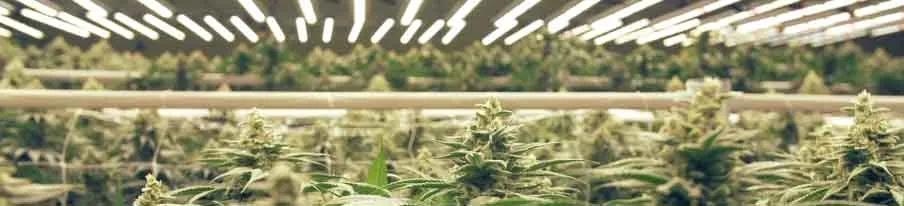
Cannabis growers are a rapidly growing segment of the agricultural industry. They cultivate cannabis plants, which have become increasingly popular for both medicinal and recreational use. These growers often use specialized LED grow lights that can mimic the natural light spectrum, promoting healthy growth and high-quality yields. Because cannabis plants have specific light needs at different growth stages, these tailored lighting solutions are crucial for success in this competitive market.
Full Spectrum Greenhouse LED Grow Lights
Full spectrum greenhouse LED grow lights are designed to mimic natural sunlight, providing a complete range of wavelengths essential for plant growth. These lights support all growth stages, from germination to flowering and fruiting.
For instance, systems with power options like 720W and 1200W are common in commercial settings, offering significant energy savings—up to 20% compared to traditional 1000W DE HPS systems. This energy efficiency not only reduces operational costs but also aligns with sustainable farming practices.
Moreover, these LED systems can seamlessly integrate into existing setups, such as HPS layouts, making them a convenient upgrade for many growers. The compatibility with technologies like maksdep controllers allows for efficient management and control of lighting conditions across multiple units.
Applications of LED Grow Lights
LED grow lights are super versatile and can be used for a bunch of different plants. Let’s break down how they’re applied across various types of crops:
A. Vegetables
When it comes to vegetables, LED grow lights work wonders. Growers can use them to grow popular veggies like tomatoes, cucumbers, peppers, and leafy greens like spinach and kale. These lights help ensure that the plants get the right amount of light, even when the weather isn’t cooperating. This can lead to faster growth and tastier vegetables. Plus, with the right setup, growers can enjoy fresh veggies all year round, regardless of the season!
B. Fruits
Fruits also benefit greatly from LED technology. Growers can cultivate delicious options like strawberries, blueberries, and grapes. The cool thing about using LED lights is that they can be adjusted to provide the perfect light spectrum for each growth stage. This means better flowering and fruiting, leading to bigger and sweeter fruits. With the help of these lights, growers can extend their growing seasons and produce high-quality fruits that are in high demand.
C. Flowers
Floral growers love LED grow lights because they can create ideal conditions for a variety of blooms. Whether it’s roses, lilies, or tulips, these lights help enhance color and promote healthy growth. By using LED lights, growers can manipulate the light conditions to encourage flowering at the right time, ensuring that they have beautiful flowers ready for holidays and special occasions. This means florists can count on fresh flowers throughout the year, no matter the season.
D. Foliage Plants
For those who grow foliage plants, like pothos, spider plants, and monstera, LED grow lights are a game-changer. These plants are often kept indoors, where natural light might be limited. Using LED lights helps these plants thrive, resulting in lush, vibrant greenery. This is perfect for homes and offices, where people want to add a touch of nature. With the right lighting, foliage plants can grow stronger and look healthier, making them more appealing to plant lovers.
E. Hydroponics
In hydroponics, where plants are grown without soil, LED grow lights are crucial. Since these systems are often set up indoors, the right lighting can make all the difference. LED lights help maximize growth and make sure plants are getting the nutrients they need. This method allows growers to produce a wide variety of crops in a smaller space, making it a popular choice for urban farming and those looking to grow fresh produce right at home.
F. Cannabis
Cannabis growers are also big fans of LED grow lights. These lights are essential for creating the right environment for cannabis plants, which have specific light needs at different stages of growth. With the right LED setup, growers can produce healthy plants that yield high-quality buds. This is especially important in the competitive cannabis market, where quality can set a grower apart from the rest.
Conclusion
The adoption of LED grow lights among commercial growers reflects a broader trend towards more sustainable and efficient agricultural practices. By providing tailored light spectrums, these systems support healthy plant development, enhance yields, and reduce energy costs. As the agricultural industry continues to evolve, the integration of technologies such as growers choice LEDs and commercial refrigeration LED lighting will play a critical role in meeting the demands of modern food production. Through innovation and adaptation, commercial growers can ensure they remain competitive while contributing to a more sustainable future.