
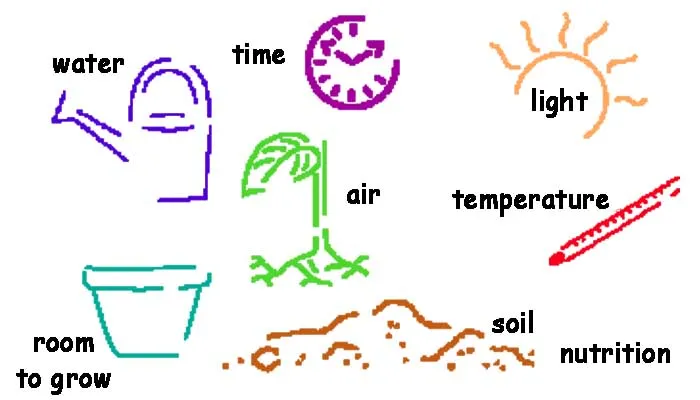
Creating the best environment for plants to grow is essential for their health and productivity. Plants rely on specific environmental conditions to thrive, and understanding these factors can make all the difference in ensuring they grow strong and healthy. An optimal environment must meet several critical conditions, such as light, temperature, moisture, soil quality, air circulation, nutrition, pH levels, and pest resistance. By carefully addressing these factors, plants can thrive and reach their full potential. This article discusses the key factors affecting plant growth, provides examples of plants with varying requirements, and highlights how tools like LED grow lights can enhance plant development.
A Poem of Environmental Conditions Needed for Plant Growth
Let’s start with a short poem to summarize the environmental factors plants need:
Light to shine, warm and bright,
Temperature, day and night.
Water moist, not too dry,
Rich soil and air, roots reach the sky.
This poetic summary captures the four environmental conditions for plant growth, which are:
- Light
- Temperature
- Water (Moisture)
- Soil and Air
Actually nutrition, pH levels, and pest resistance also are important. We will also discuss it here.
Factors Affecting Plant Growth
Plants need the right environment to grow well, just like people need the right conditions to stay healthy. Let’s break down the main factors that influence plant growth in a simple and practical way.
1. Light: The Energy Source
Light is crucial for photosynthesis, the process plants use to create energy. Without light, plants cannot grow or produce food.
- Why plants need light: It powers photosynthesis, which is how plants turn sunlight into food.
- Best light conditions:
- Sun-loving plants: Plants like tomatoes, cannabis, and sunflowers need at least 6-8 hours of bright light every day. For cannabis, indoor growers often use LED lights with a full-spectrum output to mimic sunlight. During the vegetative stage, cannabis needs 18-24 hours of light daily, while during the flowering stage, it requires 12 hours of light and 12 hours of darkness to bloom.
- Low-light plants: Ferns, snake plants, and philodendrons do well in shady areas with only 2-4 hours of indirect light.
- Adjustable light needs: Greenhouse plants like lettuce or herbs may only need additional light during cloudy days.
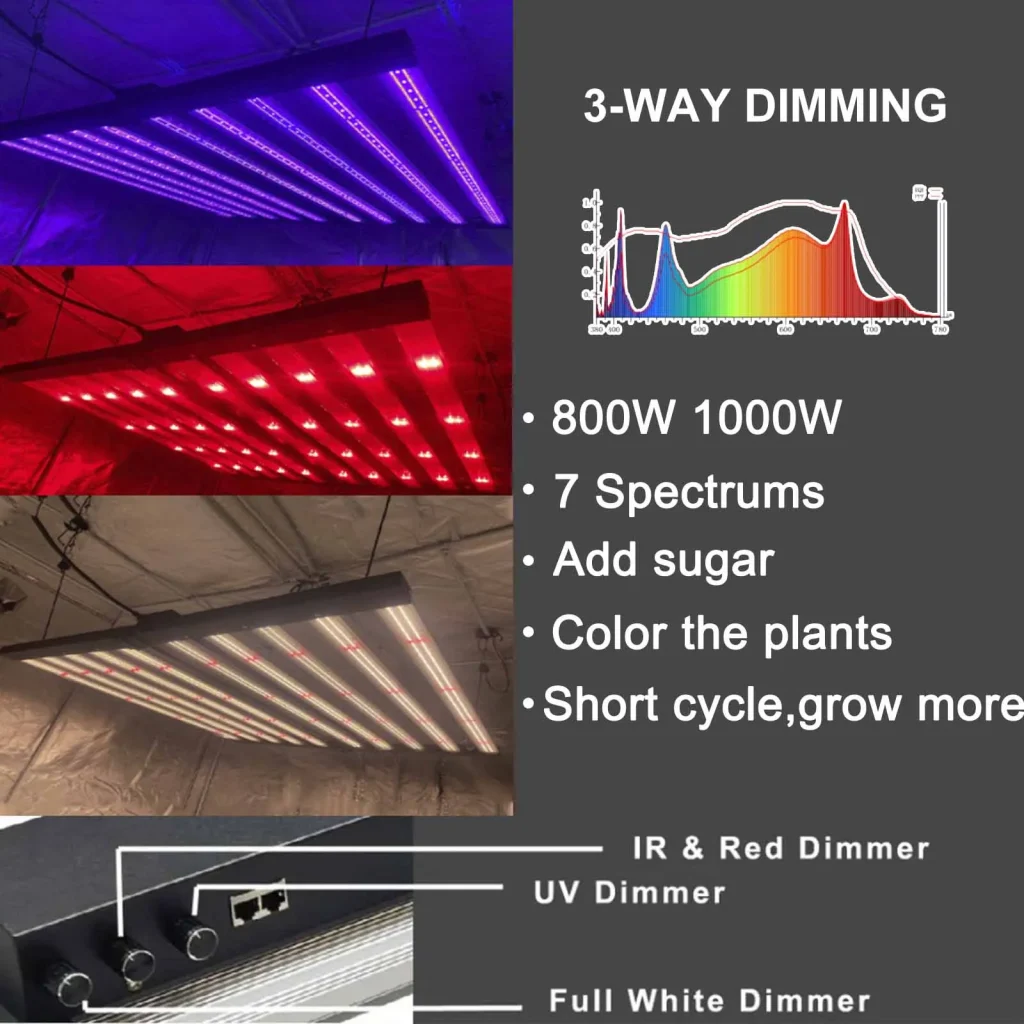
For indoor or greenhouse cultivation, supplemental lighting like LED grow lights can provide the necessary light intensity, spectrum, and duration. For example, Maksdep led grow lights are highly adjustable and capable of mimicking natural sunlight to support plant growth at different stages.
2. Temperature: The Thermostat of Life
Why do plants need temperature? Plants are picky about temperature—it’s like their thermostat for life. Too hot or too cold, and they’ll stop growing or even die.
- Why plants need temperature: To regulate growth, flowering, and fruiting.
- Best temperature conditions:
- Warm-weather plants: Cannabis, peppers, and basil like it warm, with optimal temperatures between20-30°C (68-86°F). Cannabis, in particular, thrives at 22-28°C (72-82°F) during the day and slightly cooler at night.
- Cool-weather plants: Spinach, lettuce, and broccoli prefer cooler temps, around 10-20°C (50-68°F).
- Tropical plants: Orchids and peppers need temps around 20-30°C (68-86°F).
- Temperature-sensitive plants: Orchids need stable temperatures, usually around 18-24°C (64-75°F), and can suffer if it fluctuates too much.
For cannabis growers, it’s important to avoid letting temperatures get too high during the flowering stage, as it can reduce bud quality. Indoor growers often use fans, air conditioners, or heaters to keep the temperature steady.
3. Water (Moisture): A Plant’s Lifeline
Water is essential for photosynthesis, nutrient transport, and cell structure. However, too much water can drown roots, and too little can dry plants out. Achieving the right balance is key.
- Why plants need water: Water is a vital component of photosynthesis and helps transport nutrients.
- Best moisture conditions:
- High water needs: Plants like rice, watercress, and taro thrive in consistently moist or waterlogged conditions.
- Moderate water needs: Tomatoes, roses, and cucumbers require regular watering, but overwatering can lead to root rot.
- Drought-tolerant plants: Succulents such as cacti, aloe vera, and jade plants store water in their leaves or stems and can endure long periods without water.
- Cannabis: Needs well-draining soil and regular watering. Water when the top inch of soil feels dry. Humidity levels should be 40-70% during the vegetative stage and 40-50% during flowering.
- Cacti: Store water in their leaves and can go weeks without watering.
Soil moisture levels should be monitored closely, and irrigation practices such as drip watering can help maintain a balanced moisture level.
4. Soil
Soil isn’t just dirt—it’s the foundation of plant life. The quality of the soil determines how well your plants grow.
- Rich, fertile soil: Vegetables like carrots, beans, and cannabis need nutrient-rich soil with good drainage. For cannabis, a well-aerated soil mix with organic matter like compost or coco coir works best. Many growers also check the soil’s pH, aiming for 6.0-7.0 (slightly acidic).
- Acidic soil lovers: Blueberries and azaleas thrive in soil with a pH below 6.0.
- Sandy soil plants: Lavender and rosemary grow well in sandy, fast-draining soil.
If your soil isn’t great, don’t worry—you can improve it with compost, fertilizers, or store-bought potting mixes designed for specific plants. For cannabis, growers often use pre-mixed soil blends that already contain nutrients.
5. Air
Plants need fresh air to “breathe.” They take in carbon dioxide (CO₂) for photosynthesis and release oxygen, while their roots need oxygen from the soil. Without good airflow, plants can suffocate or develop mold.
- Ventilation: Cannabis and other fast-growing plants like cucumbers need excellent airflow to prevent pests and diseases. Indoor cannabis growers often use fans to circulate air and ensure their plants stay healthy.
- CO₂ for growth: Adding extra CO₂ to indoor grow rooms can speed up growth for high-demand plants like cannabis, tomatoes, and peppers.
Good airflow also keeps the temperature and humidity balanced, which is especially important during the flowering stage for cannabis to produce high-quality buds.
6. Nutrition
Just like people need vitamins, plants need nutrients to grow and stay healthy. These nutrients come in two main types:
- Macronutrients:
- Nitrogen (N): Helps plants grow leaves. Cannabis and leafy greens like spinach need lots of nitrogen during their vegetative stage.
- Phosphorus (P): Essential for roots, flowers, and fruits. Cannabis needs extra phosphorus during its flowering stage to produce bigger buds.
- Potassium (K): Boosts overall health and disease resistance. Tomatoes and cannabis benefit from potassium throughout their growth.
- Micronutrients:
- Iron: Keeps leaves green. Citrus trees and hydrangeas need plenty of iron.
- Magnesium: Helps with photosynthesis. Cannabis often benefits from magnesium supplements like Epsom salts.
For cannabis growers, following a feeding schedule with balanced nutrients is key. Over-fertilizing can cause “nutrient burn,” so it’s better to start with less and increase as needed.
7. pH Levels
he pH of soil or water affects how easily plants can absorb nutrients. If the pH is too high or too low, plants may show signs of nutrient deficiency, even if the nutrients are present.
- Acidic soil preference: Rhododendrons and camellias grow best in acidic soils with a pH between 5.0 and 6.0. Blueberries and azaleas need a pH below 6.0.
- Neutral soil preference: Most vegetables like carrots, beans, and broccoli prefer slightly acidic to neutral soil, with a pH between 6.0 and 7.0.
- Alkaline soil preference: Plants such as lavender and clematis can tolerate alkaline soils with a pH above 7.0.
- Cannabis: Grows best in slightly acidic soil with a pH of 6.0-7.0. For hydroponic systems, the ideal pH is slightly lower, around 5.5-6.5.
Regular pH testing and soil amendments can help maintain the ideal pH for plant growth.
8. Pest and Disease Resistance
Pests and diseases can significantly impact plant health and yield. Preventive measures and timely intervention are crucial:
- Common pests: Aphids, spider mites, and whiteflies often attack cannabis, tomatoes, and roses. Many cannabis growers use organic pest sprays like neem oil to keep bugs away.
- Disease control: Powdery mildew and root rot are common in high-humidity environments. For cannabis, keeping humidity low during the flowering stage helps prevent mold.
- Pest-resistant plants: Marigolds and nasturtiums naturally repel pests and can be planted alongside other crops as a defense.
Growing cannabis indoors in a controlled environment significantly reduces the risk of pests and diseases. Regular monitoring is key to catching problems early.
The Role of LED Grow Lights in Plant Growth
LED grow lights, such as the Maksdep LED grow lights, are essential tools for creating an optimal growing environment, especially indoors or in greenhouses. They address key growth factors, such as light and temperature, while offering the following advantages:
- High Efficiency: With a light efficiency of up to 150lm/W, PPE3.0 μmol/J LED grow lights are three times more efficient than traditional lighting systems, improving photosynthesis.
- Full Spectrum: The lights provide a full spectrum of light, catering to different growth stages of plants, from seedling to flowering.
- Adjustable Intensity: The dimmable feature allows growers to adjust light intensity based on plant needs, ensuring optimal growth at every stage.
- Energy Saving: These lights save over 50% energy compared to traditional fixtures, reducing electricity costs.
- Environmentally Friendly: They are free of harmful substances and produce no pollution, making them a sustainable choice for plant growth.
What Are the Four Environmental Conditions Needed for Plant Growth?
To summarize, what are the four environmental conditions for plant growth? They are:
- Light – For photosynthesis and energy.
- Temperature – To regulate growth and flowering.
- Water – To transport nutrients and maintain structure.
- Soil and Air – For nutrient absorption and gas exchange.
These factors create the best environment for plants to grow, whether it’s cannabis in a grow room, tomatoes in a garden, or orchids in a greenhouse.
Tips for Creating the Best Planting Environment
- Control Light: Use LED grow lights to adjust light intensity and spectrum for indoor plants.
- Monitor Temperature: Use a thermometer to ensure plants stay within their ideal temperature range.
- Water Smartly: Water plants only when needed to avoid overwatering or drying them out.
- Improve Soil: Add compost or organic matter to enhance soil quality.
- Ensure Proper Airflow: Use fans or open windows to keep air circulating in indoor spaces.
Conclusion
Plants are like people—they need the right environment to thrive. By focusing on the four environmental conditions for growing plants—light, temperature, water, and soil/air—you can create the best environment for plants to grow. Whether you’re growing cannabis, vegetables, or houseplants, providing the right conditions will ensure they stay healthy and productive. Tools like Maksdep LED grow lights further enhance plant growth by providing customizable and efficient lighting solutions, making them an excellent choice for both hobbyists and commercial growers.
