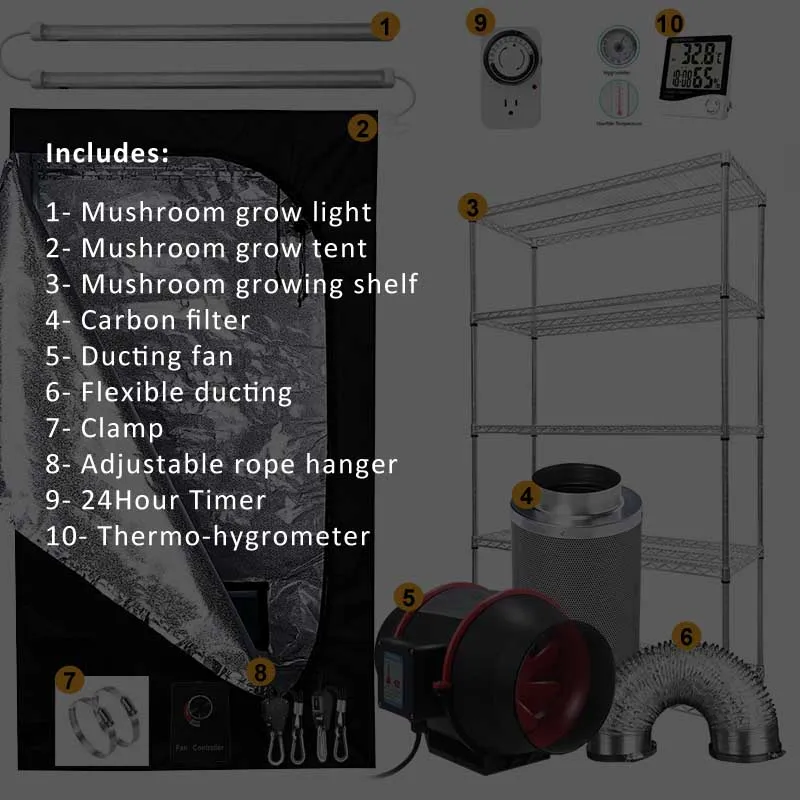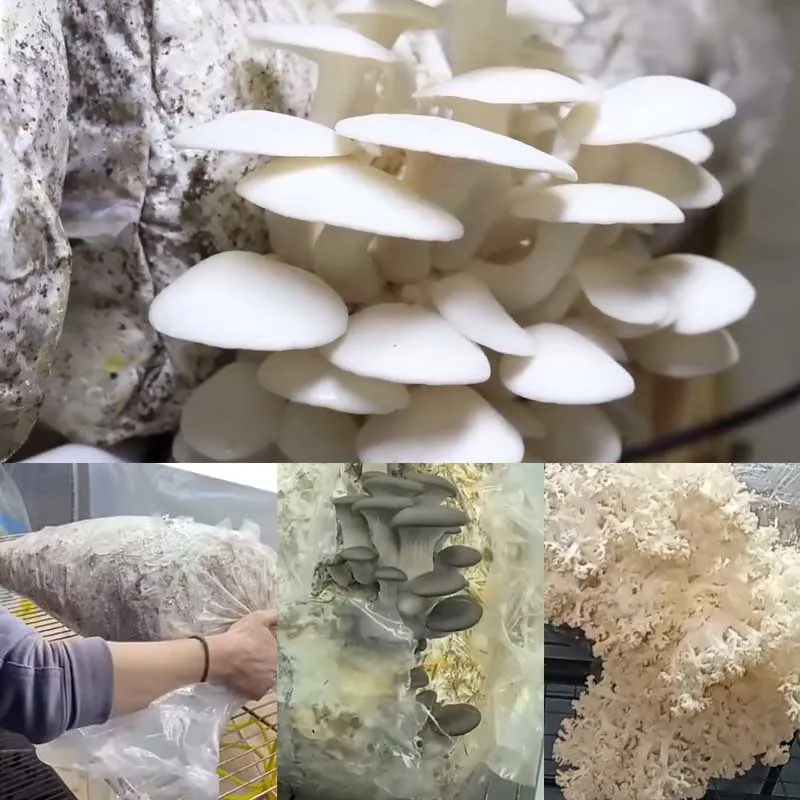
Mushroom cultivation has gained popularity as an indoor gardening activity due to its relatively simple setup and quick yields. One of the critical components for successful mushroom cultivation is proper lighting, and grow lights play a significant role in this process. This article explores how grow lights are used in mushroom cultivation and their benefits.
What is Mushroom Cultivation?
Mushroom cultivation involves growing mushrooms in a controlled environment using substrate materials such as straw, sawdust, or compost. Unlike plants, mushrooms do not require light for photosynthesis; instead, they rely on a process called saprophytic nutrition, where they break down organic matter to obtain nutrients. However, light still plays a crucial role in the development and fruiting stages of mushrooms.
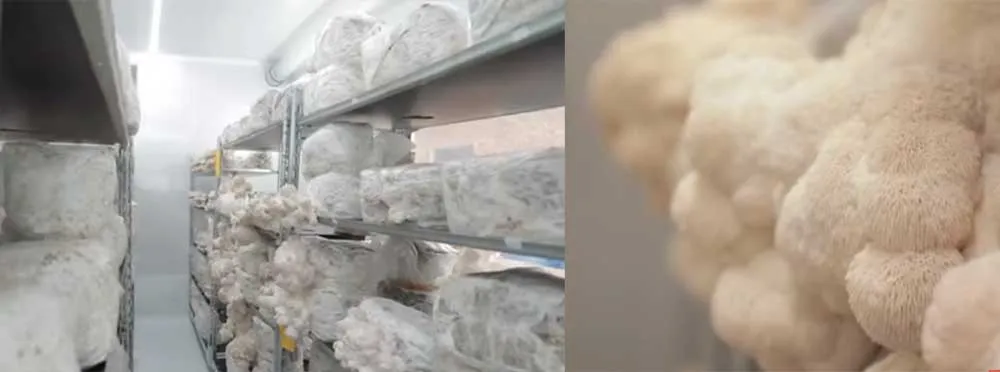
The Importance of Light in Mushroom Cultivation
While mushrooms do not need light for growth, exposure to specific light wavelengths can significantly impact their development:
- Spore Germination: Light helps stimulate spore germination, the initial stage of mushroom growth.
- Pin Stage: During the pin stage, tiny mushroom structures start to form. Exposure to light at this stage can promote healthy development.
- Fruiting: Adequate light exposure during the fruiting stage encourages mushrooms to develop properly and reach maturity faster.
LED grow lights are energy-efficient and have a long lifespan. They can be customized to emit specific wavelengths that benefit mushroom growth, such as blue and red light.
Different Mushroom Varieties and Their Light Requirements
Different types of mushrooms have varying light requirements, although most mushrooms do not rely on photosynthesis like plants. However, light can influence their growth cycle, yield, and quality. Here is an overview of some common mushroom varieties and their specific light needs:
1. Shiitake Mushrooms
- Light Requirement: Shiitake mushrooms do not need light during the mycelium stage. However, during the fruiting (primor) stage, some scattered light is beneficial to stimulate growth. Direct sunlight should be avoided as it may inhibit their development.
- Temperature and Humidity: The optimal temperature range is about 15-20°C, with humidity maintained between 85%-95%.
2. Oyster Mushrooms
- Light Requirement: Oyster mushrooms require minimal light during the mycelium stage but benefit from some scattered light during the fruiting stage for healthy growth.
- Temperature and Humidity: They thrive in a wider temperature range (10-30°C), with humidity also kept between 85%-95%.
3. Button Mushrooms
- Light Requirement: Button mushrooms hardly need any light during the mycelium stage. However, some scattered light during the fruiting stage can help improve yield and quality.
- Temperature and Humidity: The ideal temperature is around 16-20°C, with humidity maintained at 90%-95%.
4. Enoki Mushrooms
- Light Requirement: Enoki mushrooms do not need light during the mycelium stage, but appropriate lighting during the fruiting stage can promote the growth of their white stems.
- Temperature and Humidity: The optimal temperature range is about 13-18°C, with humidity kept between 90%-95%.
5. Golden Mushrooms
- Light Requirement: Golden mushrooms do not need light during the mycelium stage, but some scattered light during the fruiting stage can help increase yield and improve quality.
- Temperature and Humidity: The ideal temperature range is about 13-18°C, with humidity maintained at 90%-95%.
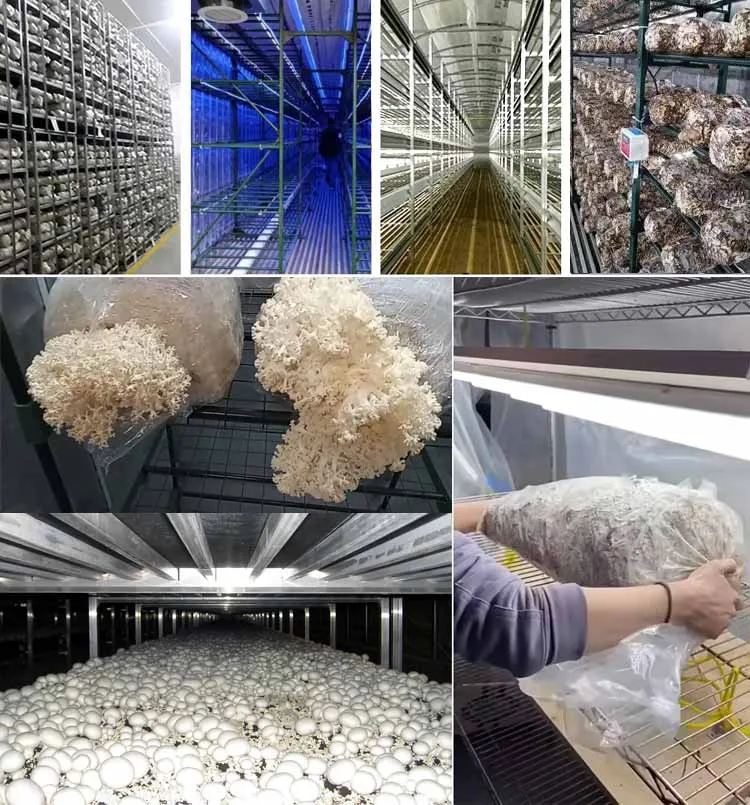
While most mushrooms have low or no light requirements during the mycelium stage, appropriate scattered light during the fruiting stage often helps enhance yield and improve mushroom quality. 6500K full spectrum and 500-1000Lux led grow light tube is the ideal choice for indoor mushroom growing. Additionally, controlling temperature and humidity accurately is crucial for ensuring healthy mushroom growth.
Benefits of Using Grow Lights in Mushroom Cultivation
- Consistent Growth: Grow lights provide consistent light conditions, ensuring uniform mushroom development.
- Enhanced Yield: Proper lighting can increase mushroom yields by promoting healthy growth and reducing the risk of contamination.
- Year-Round Cultivation: With grow lights, mushroom cultivation can be carried out year-round, regardless of natural sunlight availability.
- Controlled Environment: Grow lights allow for precise control over light intensity and duration, optimizing mushroom growth conditions.
How to Set Up Grow Lights for Mushroom Cultivation
Setting up led grow lights for mushroom cultivation involves a few key steps:
- Choose the Right Grow Light: Determine which lights best suit your needs based on your budget and cultivation scale. Common 6500K t8 grow tube is also good.
- Determine Light Placement: Place the lights above the mushroom substrate, ensuring even coverage. The distance between the lights and the substrate will depend on the type of bulb used.
- Set Light Schedule: Establish a light schedule that mimics natural daylight cycles. For most mushrooms, 12 hours of light and 12 hours of darkness work well.
- Monitor and Adjust: Regularly monitor the mushrooms’ response to the light and adjust the schedule or intensity if necessary.
Common Issues and Troubleshooting
- Insufficient Light: If mushrooms appear stunted or fail to fruit, it may indicate insufficient light. Increase the light intensity or duration.
- Excessive Heat: Some light sources are too powerful, can generate excess heat. Ensure proper ventilation to prevent overheating.
- Uneven Light Distribution: Ensure lights are evenly distributed to avoid uneven mushroom growth. Adjust the placement or add more lights if needed.
Conclusion
Grow lights play a vital role in mushroom cultivation, providing the necessary light conditions for healthy mushroom development. Having led grow lights with proper setup and monitoring can significantly enhance your mushroom yields and ensure consistent, high-quality harvests.