Hemp and Linen: Are They That Similar?
Basic Information of Hemp & Linen:
Hemp fiber:
It comes from industrial hemp. Although it’s closely related to cannabis, industrial hemp contains very low levels of the psychoactive cannabinoid THC, so it doesn’t produce any psychoactive effects.
Historical evidence shows that hemp has been cultivated in China for thousands of years, dating back to the era of Emperor Shennong around 2700 BC. People grew hemp because its fibers are incredibly strong, making it ideal for making cloth, rope, fishing nets, and even paper.
Linen:
Has been around for over 10,000 years. It comes from flax, was the primary fiber used during the Middle Ages and the Renaissance, and it was even used in Ancient Egypt to wrap mummies.
The fax grades of linen can be woven into smooth, comfortable fabrics, while the coarser grades are suitable for making canvas and twine.
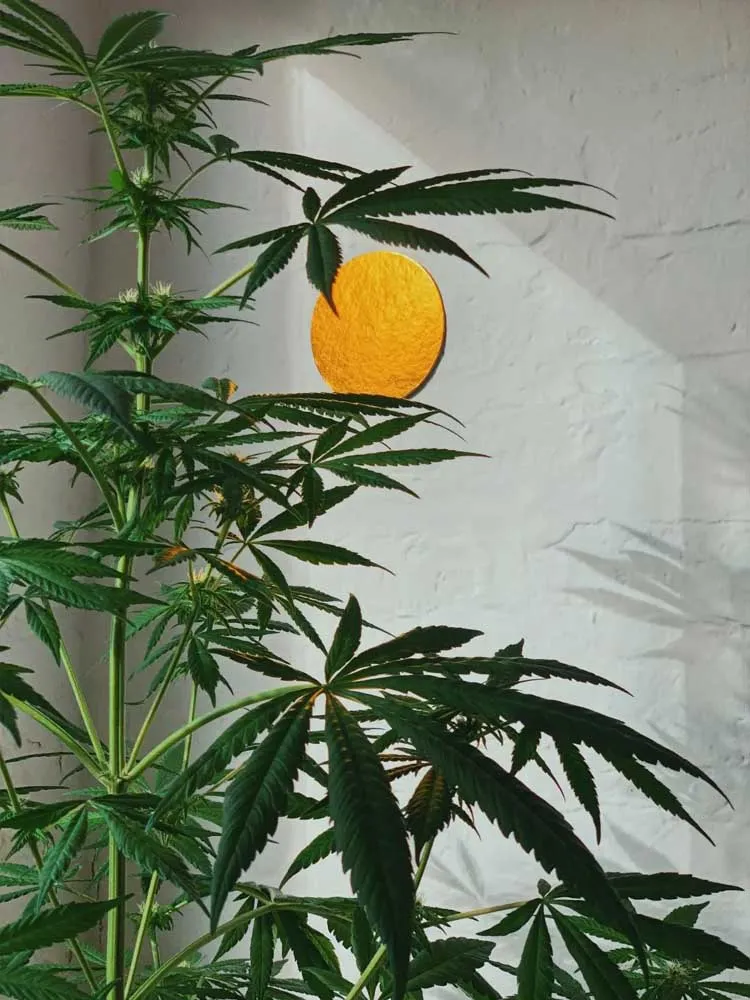
Like hemp, flax is a versatile plant with many uses. Hemp is known as the “king of natural fibers,” while flax is called the “queen of natural fibers.” So, what are the similarities and differences between this royal pair in the fiber family?
Hemp and Flax/ Linen: Similarities
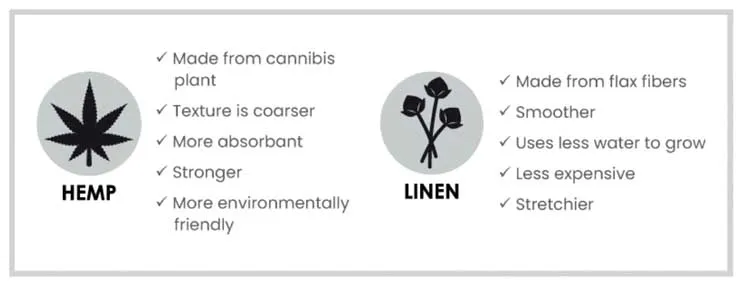
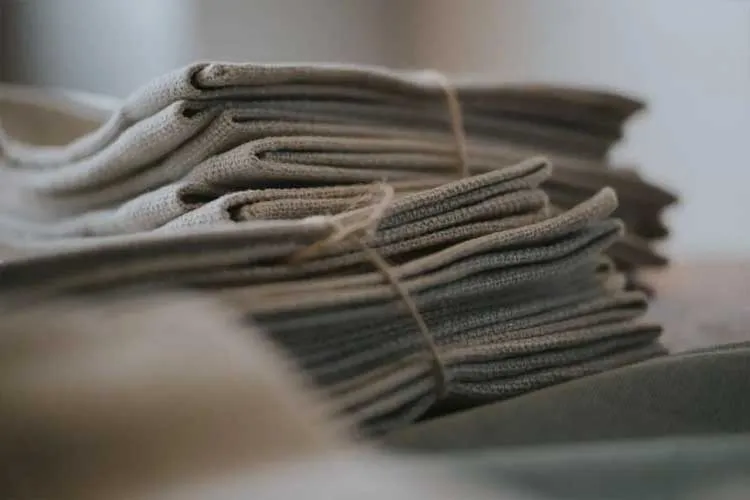
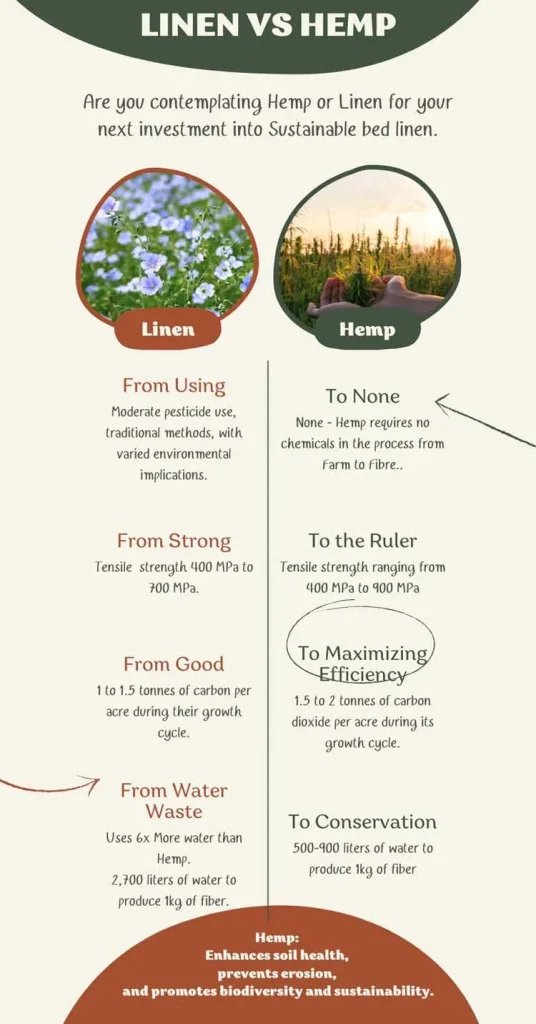
Hemp and flax are both natural fibers with a long history and wide range of uses. Both come from plants that have been used for centuries to make fabrics for clothing, bedding, and more. Compared to synthetic fibers like polyester, each has distinct advantages:
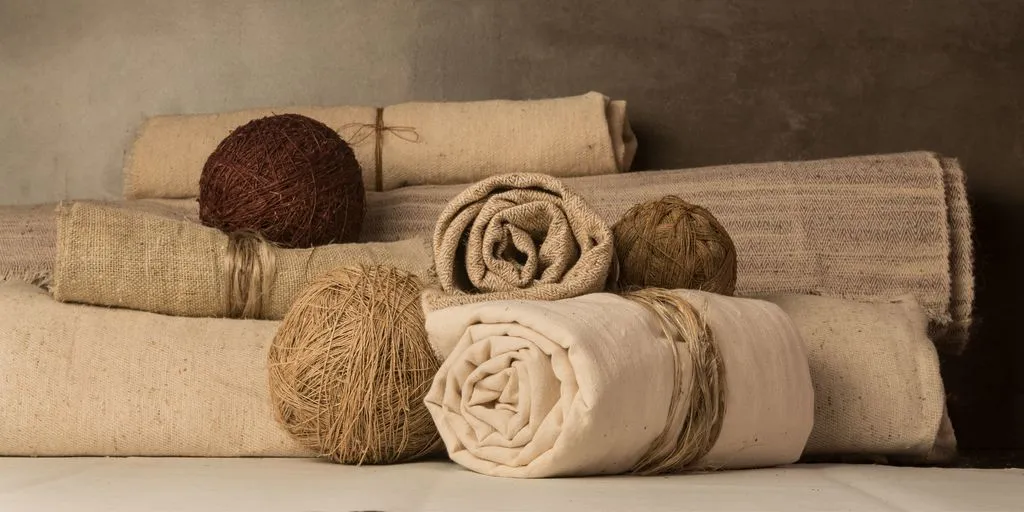
- Both are durable fabrics that soften with repeated use and washing.
- Both materials are naturally breathable.
- Both fabrics have some antibacterial properties.
- Both have hollow fibers, making them effective insulators.
- Both fabrics are biodegradable.
- Hemp and flax are both incredibly strong and long-lasting.
Hemp and Flax: Differences
Despite their similarities, hemp and flax have some key differences:
- Geographic Distribution: Flax originates primarily in Europe, with an average height of around 1 meter, making it the typical “delicate beauty.” Hemp, mainly originating in China, typically grows taller, around 1.8 meters, and is considered the “Eastern supermodel.”
- Growing Conditions: Flax prefers cool, moist climates, is quite frost-resistant, and doesn’t do well in high temperatures. Hemp is a light-loving short-day crop, with late-maturing varieties more sensitive to light. It thrives on slopes, wastelands, and saline-alkali soils.
- Different Uses: Flax and hemp both have high economic value. Flax is divided into fiber flax, oil flax, and dual-purpose flax, and is used for everyday clothing, interior decoration, and craft embroidery. Hemp, after degumming, spinning, and enzyme washing, can be as soft as cotton and is used for military and high-end clothing, as well as in papermaking, oil extraction, and pharmaceutical production.
- Usage Characteristics: Flax fibers are known for heat dissipation, radiation protection, anti-static, and antibacterial properties. Hemp fibers contain trace amounts of cannabinoids and dozens of beneficial trace elements, offering excellent heat resistance, UV protection, moisture absorption, breathability, comfort, mildew resistance, radiation protection, anti-static properties, and the ability to absorb toxic and harmful gases.
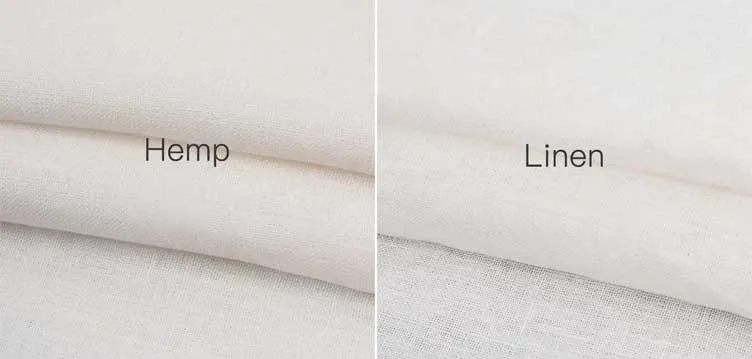
- Fiber Color: Hemp’s color ranges from yellow or gray to deep brown, while flax tends to be much lighter in color.
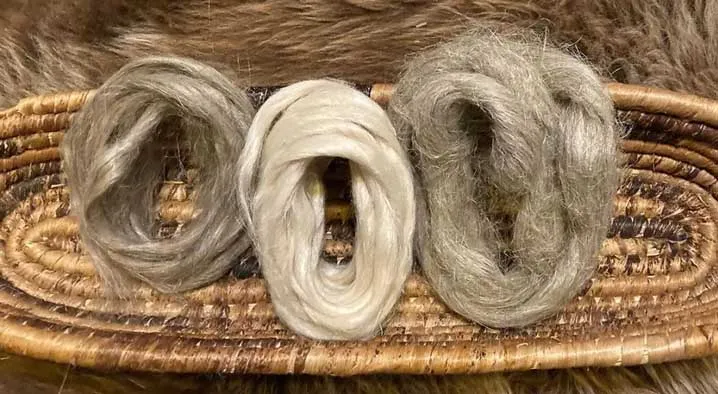
- Fiber Length: Another notable difference is fiber length: hemp fibers range from 4 to 7 feet, while flax fibers are typically less than half that length. This contributes to hemp’s reputation for being particularly strong and durable compared to other natural fibers.
Hemp and flax are both extraordinary natural fibers, each with unique qualities. Understanding their differences helps ensure you won’t get tangled up when choosing between them.

Great article! I really appreciate the clear and detailed insights you’ve provided on this topic. It’s always refreshing to read content that breaks things down so well, making it easy for readers to grasp even complex ideas. I also found the practical tips you’ve shared to be very helpful. Looking forward to more informative posts like this! Keep up the good work! YouTube Downloader Online