
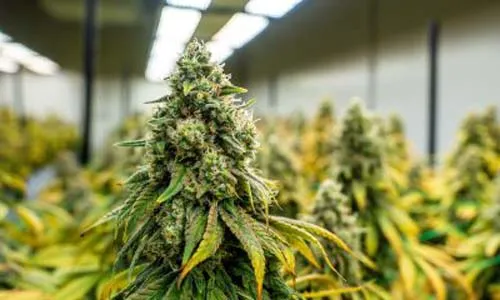
As we known, lights play a great importance role in plants growth. Photosynthesis is the process by which plants convert carbon dioxide and water into organic matter, which requires proper light. Lack of light can cause plants to grow slowly or even stop growing, and without light, plants cannot photosynthesise and grow. This is the reason why we often see plants stop growing in dark environments. Whether it is in our daily lives or in agricultural cultivation, light is a key factor in plant growth and development. Without light, plants would not be able to photosynthesise and many would fail to grow. This is the reason why we often see plants stop growing in dark environments. Light is a crucial factor in plant growth. Light provides the spectrum and intensity of light that plants need to grow and develop to increase yield. Different wavelengths of light have different effects on plants and meet the needs of plants at different stages of growth, thus improving the growth efficiency and quality of plant lights. Therefore, choosing the right plant light is crucial for plant growth.
Let’s take a look at the characteristics and effects of different wavelengths of grow light spectrum role next.

UV Light (ultraviolet)
It is a special type of ultraviolet radiation with a wavelength of 395nm, which is usually considered not substantially helpful to plants for invisible to our naked eyes. However, some studies have shown that UV light can help some plants to resist certain diseases UV light can promote the production of floral pigments to make plants colourful and have a fungicidal effect on plants.UV light helps plants to resist pests and diseases and promotes reproduction. However, too much UV light can damage the cell tissues of plants. So when using plant lights need to provide UV according to the growth needs of plants, appropriate UV to promote plant growth.
IR Light
It usually refers to infrared light, the wavelength is 730nm, IR can improve the photosynthetic efficiency of plants, infrared (IR) light is also vital for plant growth and development, it can enhance the plant’s root growth and nutrient absorption ability. Appropriate IR can promote plant germination and seedling development to promote the flowering and fruiting of the plant to improve yields and quality. At the same time, it can increase the adaptive capacity of the plant. IR light helps to regulate the temperature of plants and promote their growth. Infrared (IR) light, which enhances root growth and nutrient uptake.However, too much IR light can inhibit the growth rate of plants. Both UV and IR need to be used appropriately in the case of growing plants in order to help them grow and promote their growth and development.
Red Light
The wavelength of red light is 660nm, red light is the main source of plants, it plays an important role in the growth and development of plants. Red light promotes the growth of plants and chlorophyll synthesis, which is the basis of photosynthesis. Red light can promote bud differentiation and flowering, reduce the occurrence of deformities, prolonging the flowering period of the plant. Also red light can promote the growth and elongation of the plant to increase the plant’s growth and yield. Red light has a positive effect on the growth and development of plants and promotes the synthesis of chlorophyll, thus promoting photosynthesis.
Blue Light
It is wavelength is 400-500nm, mainly enhancing stem and leaf thickening. Blue light helps plant stem growth and leaf development. In addition, blue-violet light stimulates heterochromatic synthesis in plants and promotes colour changes in leaves, anthocyanin production, while blue light helps in plant growth and control of plant morphology to promote plant growth and development. Combined with red light, the spectrum light can help to increase the photosynthetic efficiency of plants and stimulate the secretion of growth hormones, which promotes flowering and fruiting.
On the market, there are some led plant lights with more red light than blue light. It’s mainly for the reason that those lights for specific plants needs. Red light has significant influence on flowering. If you are going to grow flowers or some kinds of plants of flower and fruits, it’s better to add more red lights. If you are going to grow vegetables or other kinds of leaf plants, it’s better to have more blue light in the grow lamp fixture. Because blue lights do well in it. So when planting plants with plant grow lights, according to the needs of the plant with a reasonable combination of red and blue light beads, in order to achieve the best complementary light effect!
Full Spectrum Light
The concept of full spectrum is probably known. Full spectrum is the ability of lights to mimic the spectrum of natural sunlight, providing plants with a full range of light that helps them grow and develop. We adjust the spectrum by regulating different led bands to meet the light needs of plants at different stages to promote plant growth and increase yield. The full spectrum not only contains various bands of light, but also the ratio and intensity between the various bands are precisely designed to achieve the best photosynthesis effect. In addition, we have to consider the application of combined light. Nowadays there are many full-spectrum plant lights on the market, they not only contain various wavelengths of light, but also through different combinations and settings, they can provide diversified light patterns and intensities to provide the best growing environment for plants.
For example, as for 2-way grow lights, we can adjust the spectrum by controlling 2 channel to choose different light spectrum, and combine to different one. The 2-way light can lead to 3 kinds of spectrum, the 3-way grow light can led to 7 kinds of spectrum, and each of them can be adjusted freely through the dimmer to adjust the brightness.

In summary, understanding the light spectrum of plants is essential for plant growth and development. Understanding the properties and effects of the various wavelengths of light, as well as the benefits and applications of full spectrum plant lights is key. Considering factors such as your growing environment, required light intensity, and lamp life. Choosing the right lights can improve plant yield and quality and promote healthy plant growth. If you are looking for a quality plant light, consider our products, we provide full spectrum and combination fixtures to meet the needs of different plants, promote plant growth, increase harvest. Let’s work together to provide the best growing conditions for your plants! By understanding the effects of different wavelengths of light on plants, we can better manage and care for our plants and achieve higher yields and quality. At the same time, this will make us more aware of and respectful of the laws of nature, which in turn will have a positive impact on our environment. In conclusion, I hope this article has helped you to better understand and appreciate the importance of the plant light spectrum and how to choose and use the right plant lights!
Grow Lights Buying Guides:
If you are planning to buy plant lights, here are some suggestions. Hope it can help you to buy the right plant light. Our factory has more than 16 years experience, our products are ETL, DLC, CE certificates, sold all over the world. And we have stock in the USA warehouse, Thailand and Germany warehouse, international after-sales service support. Any issue you met, you can reach out to us immediately. We are always here.
- Choose the right lamp according to your growing environment: if your plants are mainly grown indoors, then choosing LED plant lights may be a good choice. It’s of sunlike spectrum, stimulate sun to help plants grow fast and better. It’s energy efficient and energy saving. And it’s of long lifespan, better than tradition HPS light. Led grow lights is the ideal choice for indoor growing.
- Know the intensity of light you need: When choosing the right plant lights, you need to consider the intensity of light required. Too much light can damage plant cells, while not enough light can prevent photosynthesis from occurring. Ensure that you purchase appropriate lighting to provide the required light intensity.If you are not sure, you can come to us with your space and plants information, we will recommend the most suitable lights to you. After all we have been in this industry for more than 16 years.
- Consider the longevity and maintenance costs of the fixtures: High-quality fixtures usually last longer and cost less to maintain. This also means that you need to consider investing in the right fixtures for your long-term use plan.
- Choose the right size and shape, which can be adjusted to suit your needs. This is useful for growing plants of different sizes or for lighting areas that require a specific shape.
Recommendation:
I will recommend our hot selling models: (Mainly for USA Commercial Growing)
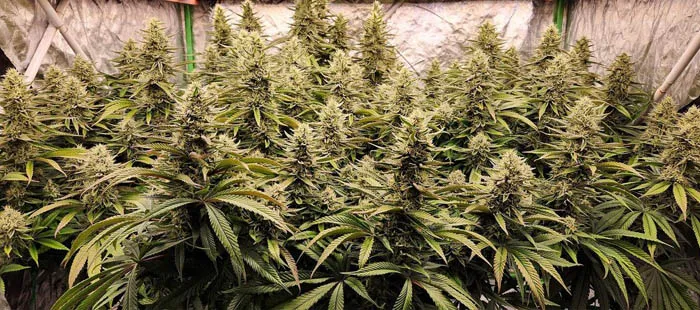
- Folding grow light 4x6ft 1000w: large size irradiation area, full spectrum with red, blue, IR and UV leds. PPE 2.9umol/J. It’s proved amazing harvest from our customer, 4.2lbs yields under per light.
- Promotion 720w led grow lights. Unbeatable price on the market, low to $88usd.
Welcome to contact us for spec sheet and quote.
