
Throughout the long history of humanity, when faced with pain, we’ve always succumbed to it. It wasn’t until the Renaissance that a relatively effective method to combat pain was discovered. Thanks to a famous European doctor named Paracelsus, who made a significant contribution by developing the first synthetic painkiller, Laudanum.
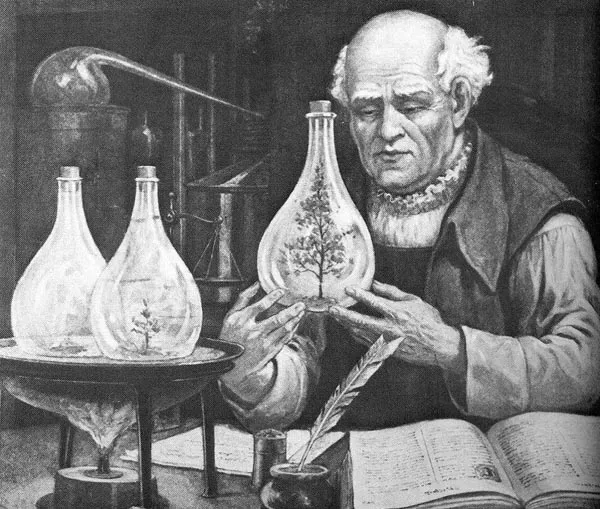
Laudanum is a mixture of opium dissolved in alcohol with added herbs. Originally, Paracelsus intended to use it to relieve toothaches, but it ended up having a massive impact in England. In 19th-century England, laudanum was hailed as a miracle cure by the public.
Besides pain relief, laudanum was used to treat fevers, colds, headaches, vomiting, and diarrhea. It was cheap and easy to buy, leading many to overuse it and eventually become addicted. This could be considered:
The earliest opioid crisis in human history
Later, a German pharmaceutical company developed heroin, which not only had powerful cough suppressant properties but also even stronger pain-relieving effects, making it the new favorite. However, within just a few years of its release, doctors began encountering patients addicted to heroin. Yes, another another opioid crisis was arising.
How did such powerful substances like opium and heroin come to be?
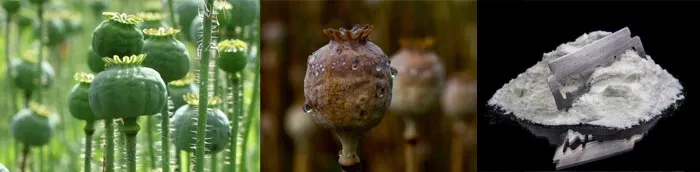
The answer is simple: they both originate from the poppy plant. The poppy flower produces a fruit, and when the fruit’s skin is cut, a milky sap oozes out. This sap dries and hardens into a brown or black substance known as raw opium.
Raw opium is refined into morphine, which can then be chemically processed into heroin.
Essentially, they are all related.
Given that they are all addictive drugs,
Are there any differences between them and cannabis?
Yes, there are 2 key differences:
- Cannabis is not as addictive.
- Cannabis can relieve pain and treat various ailments.
The addictive potential of opium and cannabis is significantly different.
In the book “Basic and Clinical Pharmacology,” drug abuse expert Dr. Christian Luscher introduces a relative addiction risk scale. On this scale, a score of 1 represents the lowest addiction risk, while a score of 5 represents the highest. Opium has a relative risk score of 4, whereas cannabis has a score of 2.
Clearly, opium is more addictive than cannabis.
Morphine, derived from opium, can be administered through injection or oral consumption, producing euphoria and side effects on the respiratory, circulatory, and gastrointestinal systems.
Heroin, known as the “king of drugs,” is the most addictive and toxic. Typically, individuals who continually use heroin live only 7 to 8 years.
In terms of addiction potential: cannabis < morphine < heroin.
It’s feasible to use medical cannabis as a substitute for opioids.
Opioids, which are alkaloids derived from the poppy plant and their derivatives inside and outside the body, include substances like codeine, dihydrocodeine, hydromorphone, oxycodone, methadone, morphine, fentanyl, and pethidine (Demerol).
Opioids are prone to abuse, making individuals more likely to become addicted, overdose, and even die.
Replacing opioids with cannabis is a promising alternative.
In 1890, John Russell Reynolds, the personal physician to Queen Victoria and the president of the British Royal Medical Society, highly praised the medicinal value of cannabis in The Lancet. Reynolds wrote, “I have found that in India, cannabis is almost universally effective in treating all types of pain-related illnesses and is the most effective medication.”
Like many doctors of his time, Reynolds believed that cannabis could help reduce dependency on opioid painkillers.
This early recognition highlights the potential medicinal value of cannabis in the medical field.
In March 2018, the European Journal of Internal Medicine published an article titled “A Large Prospective Study – The Safety and Efficacy of Medical Cannabis in Cancer Patients,” confirming that cancer patients experienced improvements through cannabis treatment.
Researchers conducted a comprehensive follow-up study from 2015 to 2017 on nearly 3,000 cancer patients using medical cannabis, encompassing 17 types of cancer, including liver cancer. The study found that out of the 3,000 patients, 1,742 experienced significant relief from symptoms such as pain, nausea, vomiting, sleep disorders, and depression after treatment.
Perhaps one day, as cannabis becomes a viable option for treating and alleviating cancer symptoms, opioid medications may become a thing of the past.

People often shy away from discussing “addiction,” especially when it comes to cannabis addiction. However, addiction is a common issue, affecting substances like drugs, alcohol, and nicotine.
What is addiction?
How is addiction defined? According to the World Health Organization (WHO) Expert Committee, drug addiction is a state of drug dependence characterized by compulsive, continuous, or periodic use of the drug to experience its mental effects or to avoid the discomfort of withdrawal. According to Wikipedia, addiction is a repetitive, compulsive behavior that persists despite known negative consequences.
Professional Description of Addiction (Wikipedia): Addiction refers to repetitive, compulsive behaviors that persist despite known negative consequences. This behavior may result from central nervous system dysfunction, which can be further damaged by the repetitive actions. Addiction can describe physiological dependence or excessive psychological dependence, such as substance dependence, drug abuse (commonly known as drug addiction), alcohol addiction, nicotine addiction, or compulsive engagement in specific behaviors (gambling, overeating). Internet addiction, gambling addiction, workaholism, binge eating disorder, stalking, kleptomania, plastic surgery obsession, shopping addiction, writing compulsion, and fetishism are all forms of addiction.
Addiction can be categorized into substance addiction and behavioral addiction. Behavioral addiction involves compulsive behaviors unrelated to substances, like gambling and internet addiction. Addiction describes a compulsion to frequently engage in activities that may harm one’s mental and physical health and social life. Substance addiction has significant personal and societal impacts, including direct effects from the addictive substance, associated healthcare costs, long-term complications (such as lung cancer from smoking, cirrhosis from alcohol abuse, “meth mouth” from intravenous methamphetamine use), and the impact of neuroplasticity (brain structure changes due to experiences). Typical addiction phenomena include a lack of control and excessive focus on the addictive substance or behavior, persisting despite adverse outcomes. Addictive habits or behavior patterns often involve immediate gratification (short-term rewards) and delayed adverse effects (long-term negative results).
In colloquial terms, “addiction” can also refer to strong preferences or hobbies, such as reading, collecting (stamp collecting), watching TV, playing games, shopping, working, using the internet, exercising, and eating. However, addiction mainly pertains to substance abuse and misuse issues, involving either physiological dependence or excessive psychological reliance.
Through this tip, we see that addiction is commonly associated with gambling, drugs, alcohol, and smoking, but people can become addicted to anything. Here are some examples:
Solvents – Volatile substance abuse, particularly inhaling aerosols, gasoline, or lighter fluid, can induce a feeling of euphoria.
Shopping – Compulsive shopping, where one can’t resist buying unnecessary items, can also become an addiction, followed by feelings of guilt, shame, and even despair.
Internet – With the increasing use of computers and smartphones, internet addiction is on the rise. People might spend hours online or playing games every night, severely neglecting other aspects of life.
What Causes Addiction?
Addiction can begin for various reasons. Substances like drugs, alcohol, and nicotine affect a person’s physical and mental sensations, often providing pleasurable feelings that create a strong urge to use them again. Gambling can lead to similar mental “highs” after winning, followed by a powerful impulse to try and recreate that feeling, forming a hard-to-break habit. Being addicted to something means experiencing withdrawal symptoms without it, which can be unpleasant. Continuing the desired activity or substance use becomes easier, creating a cycle where more and more is needed to satisfy the craving and achieve that “high.”
How Does Addiction Affect People?
The pressure to control addiction can severely damage a person’s work life and relationships. In cases of substance abuse, such as drugs and alcohol, addiction has serious psychological and physiological effects. Research suggests that the risk of addiction can be influenced by genetic factors, environmental factors, substance misuse, unemployment, poverty, stress, and emotions. Addiction is a treatable condition, and help can be sought in various ways. Consulting a general practitioner or contacting organizations specializing in addiction support are viable options.
Is Cannabis Addictive?
Wikipedia’s Professional Description of Cannabis Addiction: Cannabis use disorder (CUD), also known as cannabis dependence or cannabis addiction, is a substance dependence primarily characterized by psychological dependence (also known as mental dependence) resulting from the use of cannabis or its main psychoactive component, THC (tetrahydrocannabinol). About 10% of regular THC users develop cannabis addiction.
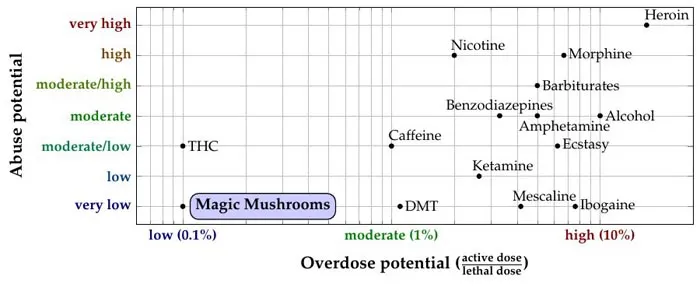
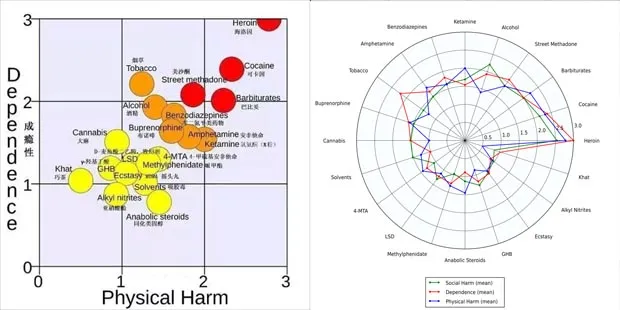
Given that many things in our lives can be addictive, such as alcohol, carbonated drinks, and coffee, it’s noteworthy that a 2007 report in the prestigious British medical journal The Lancet included a subjective survey on the harm and addictiveness of common controlled substances. The study’s data showed that the addiction rates of tobacco, coffee, and alcohol far exceed that of cannabis. From the chart below, it is evident that cannabis has an addiction rate between 0-1, while alcohol and tobacco have significantly higher addiction rates.
Additionally, experts in psychiatry, chemistry, pharmacology, forensic science, epidemiology, and law enforcement conducted a Delphi analysis on the addictiveness of 20 popular drugs. Cannabis ranked 11th in terms of dependence, 17th in physical harm, and 10th in social harm, all significantly lower than alcohol and tobacco.
According to the Consumer Healthcare Products Association:
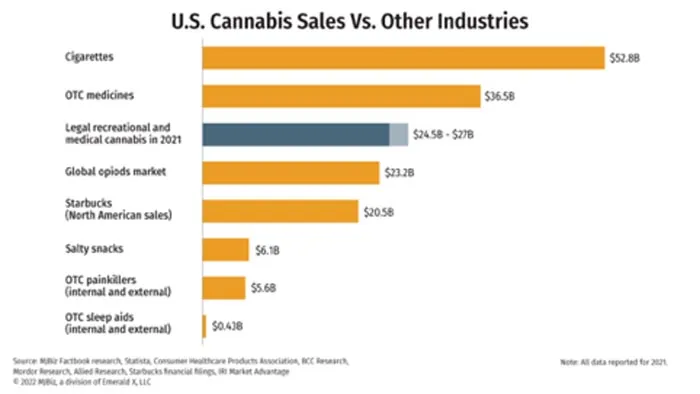
In 2021, sales of another common use of cannabis—over-the-counter pain relievers—increased by 5%, while sales of medical and adult-use cannabis grew by about 30%. The 2022 MJBiz Facebook shows that licensed cannabis sales ($24.5-27 billion) exceeded Starbucks’ North American sales ($20.5 billion) by at least a third. While coffee can be sold in all 50 states, only 39 states and Washington D.C. have legalized some form of cannabis. Despite the severe impact of COVID-19, Starbucks saw a 25% increase in North American revenue in 2021. In contrast, the cannabis industry experienced a 30% increase in sales in the same year. This news has once again thrust cannabis and coffee into the public spotlight. Why do people have such a strong preference for cannabis and coffee? What interesting connections do they share? What happens when caffeine and cannabis are combined?
Many Americans, especially those suffering from chronic pain, use fentanyl, an opioid pain reliever. Opioid painkillers are derived from opium (poppy), interacting with specific receptors in the central nervous system to alleviate pain and produce feelings of euphoria. Consequently, opioids are derivatives of opium, and in large doses, they can lead to stupor, coma, and respiratory depression, similar to morphine and pethidine, and are highly addictive.
Furthermore, according to 2022 MJBiz Factbook, the U.S. legal cannabis market is slightly larger than the global opioid market, which is a positive sign for those concerned about opioid use. For more detailed information, please refer to the historical article by Dr. on medical cannabis as a hope for patients like “Shawshank Redemption”—examining the growth and transformative changes in American healthcare through the lens of cannabis.
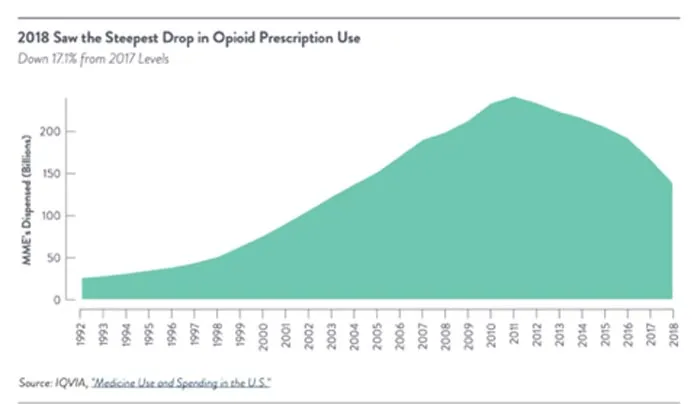
Given that medical cannabis can reduce the use of opioid drugs, the rise of cannabis in the health sector offers increasing opportunities for drug substitution. Since the early 1990s, opioid use (both prescription and illicit) has continued to rise over nearly 20 years, leading to a nationwide abuse epidemic. However, studies have found that with the passage of medical cannabis laws, opioid-related mortality rates have declined, and more patients are starting to use cannabis as an alternative for pain management. An NFD analysis found that since starting medical cannabis treatment, 68% of patients using opioid formulations reported using fewer prescription drugs. Given the high addictiveness of opioids and their well-documented side effects, medical cannabis provides a more natural, non-addictive alternative with proven analgesic properties. Additionally, some states have begun to include opioid replacement in the qualifying conditions for medical cannabis programs. Educating healthcare providers and conducting outreach to dispel myths about cannabis while promoting its efficacy for potential interventions, particularly in pain management, will serve the industry well. How can severe pain be alleviated without addiction? CBD can achieve this effect.
Chronic Pain Treatment Creates Significant Market Demand for CBD Products
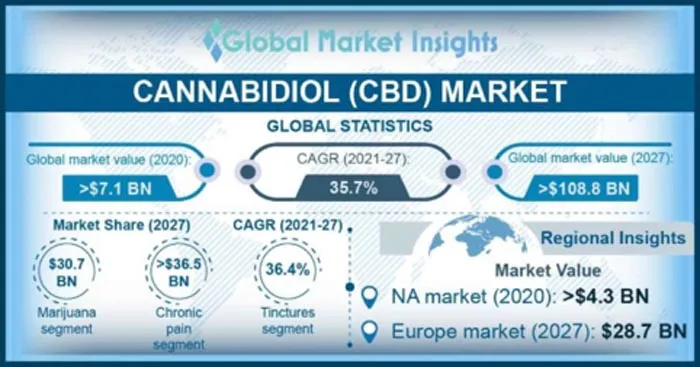
Global Cannabidiol (CBD) Market Size: According to a research report published by Global Market Insights, the global cannabidiol market size exceeded $7.1 billion in 2020 and is expected to grow at a compound annual growth rate of 35.7% between 2021 and 2027, surpassing $108.8 billion by 2027. Supportive regulatory stances in most countries have paved the way for market expansion.
NFD analysis found that since the introduction of medical cannabis treatment, 68% of patients using opioid formulations reported reduced use of prescription drugs. Given the high addictiveness of opioid drugs and their well-documented side effects, medical cannabis offers a more natural, non-addictive alternative with proven analgesic properties. Additionally, some states have begun including opioid replacement in their medical cannabis programs’ qualifying conditions.
Educational and outreach activities aimed at healthcare providers to dispel myths about cannabis and promote its efficacy for potential interventions, particularly for pain management, will serve the industry well. This approach can help integrate cannabis into mainstream healthcare, providing safer, effective options for pain relief and reducing the reliance on addictive opioids.
Indeed, the National Institutes of Health (NIH) has acknowledged the therapeutic potential of cannabis, stating that “drugs containing cannabinoids may help treat rare forms of epilepsy, nausea and vomiting associated with cancer chemotherapy, and loss of appetite and weight loss associated with HIV/AIDS.” Furthermore, the NIH notes that “some evidence suggests modest benefits of cannabis or cannabinoids for chronic pain and symptoms of multiple sclerosis,” though research on cannabis or cannabinoids for other conditions is still in its early stages.
Chronic pain treatment creates significant demand for CBD products:
By 2027, the chronic pain segment is expected to reach $36.5 billion. In recent years, the demand for cannabidiol (CBD) products for pain treatment has surged. This is primarily due to the superior outcomes provided by CBD products and their advantages over opioid drugs.
Scientific research has confirmed that CBD has significant analgesic effects without causing addiction, making it a safe option. CBD not only alleviates pain but also serves as an alternative medication, reducing cravings and anxiety for opioid addicts and aiding in addiction recovery.
Several authoritative institutions in the United States recommend the use of CBD for pain relief in patients. CBD products are widely used for joint pain, muscle pain, and other chronic pain conditions. Recent studies continue to expand the medical applications of cannabis.
Given that medical cannabis can reduce the use of opioid drugs, the rise of cannabis in the health sector offers increasing opportunities for drug substitution. Since the early 1990s, opioid use (both prescription and illicit) has continued to rise over nearly 20 years, leading to a nationwide abuse epidemic. However, studies have found that with the passage of medical cannabis laws, opioid-related mortality rates have declined, and more patients are starting to use cannabis as an alternative for pain management.
This trend highlights the growing importance of cannabis in health care, providing more natural, non-addictive pain relief options.
Supplementary Clinical Data and Research Support: CBD as an Alternative to Opioids for Chronic Pain
Findings from the Journal of Pain: A retrospective survey published in the Journal of Pain examined 185 patients who regularly visited a medical cannabis dispensary in Ann Arbor, Michigan. Researchers found that these patients reduced their opioid dosages by more than 50% when treating chronic pain. Clinical evidence supports the notion that cannabis can effectively replace opioids for pain relief. In 2016, a test involving 272 pain patients revealed significant improvements in various types of pain and a 44% reduction in opioid consumption.
Cannabis as an Opioid Substitute in Canada: A report published in PLOS Medicine in November 2019 interviewed over 1,100 patients in Vancouver who had overdosed on opioids between 2014 and 2017. The study found a correlation between “daily cannabis use” and “reduced opioid use,” suggesting that people are using cannabis to manage pain instead of opioids.
These findings underscore the growing recognition of cannabis, particularly CBD, as a viable and less addictive alternative for pain management, offering significant benefits in reducing reliance on opioids.
Israeli cannabis expert Raphael Mechoulam has been a prominent figure in the research of CBD as an alternative to steroids and opioids.
His groundbreaking work has significantly contributed to the understanding of cannabinoids and their potential therapeutic applications.
Cannabis News reported in July 2020 that renowned cannabis researcher and Israeli expert Raphael Mechoulam successfully created a synthetic cannabis compound called EPM301, or Cannabidiolic Acid Methyl Ester. This compound is effective in treating nausea, anxiety, and inflammation, with therapeutic effects comparable to cannabidiol (CBD). EPM301 is an esterified synthetic cannabis compound that stabilizes cannabinoids through a unique mechanism, allowing for highly ordered cellular action and effective anchoring and connection.
EPM301 leverages the cellular transmission mechanisms of the central nervous and immune systems to treat chemotherapy-induced nausea, psoriasis, and inflammatory bowel disease (IBD), without any harmful side effects. According to Dr. Mechoulam, “Acidic substances are among the most primitive cannabis compounds in the plant. These acids are incredibly mysterious and valuable, and if we can preserve them, they can have excellent therapeutic effects.”
Clinical Trials and Medical Potential
The trials began in September 2019, conducted in collaboration between Dr. Mechoulam and the American biotech company EPM. The research has already been patented.
Medical Efficacy of New Cannabis Compounds
Dr. Mechoulam believes that EPM301 has the potential to replace traditional medications, particularly steroids and opioids, which is urgently needed. The use of morphine-like substances (such as intravenous use) can result in numerous physical consequences, including hepatitis B, hepatitis C, HIV infection, sepsis, endocarditis, pneumonia and lung abscesses, thrombophlebitis, and rhabdomyolysis, along with significant psychological and social damages.
Comparative Trials
During the trials, EPM301 was compared with conventional cannabinoids and commonly used medications. In the IBD trials, EPM301 was compared with prednisone (a steroid) and biological drugs. The results were as follows:
- Prednisone: While effective for treating colitis, it acts quickly but often causes nausea, dizziness, loss of appetite, and decreased motivation.
- Biological Drugs: Patients using these drugs experienced limited improvement, slow pain relief, frequent relapses, and emotional instability.
- EPM301: This compound demonstrated strong targeting of cellular inflammation, rapid reduction of inflammation, prolonged efficacy, no discomfort, and no dependency or harmful side effects.
EPM301’s inherent properties offer a new, effective, and non-addictive treatment alternative, potentially replacing traditional drugs and providing significant relief without adverse effects.
Steroid drugs
Scientifically known as “adrenocorticotropic hormones,” regulate the metabolism of blood sugar, proteins, fats, and electrolytes, making them essential for sustaining life. Clinically, steroids are widely used in the treatment of cancer, brain edema, chronic lung disease, rheumatism, asthma, premature infant lung immaturity, skin diseases, shock, sepsis, and meningitis, providing temporary symptom relief. However, they come with significant side effects. Steroids, being prescription drugs, can easily cause toxic side effects during use, such as stomach bleeding, infections, diabetes, obesity, osteoporosis, growth retardation, bloating, edema, and increased acne. Abuse of steroids can pose severe life-threatening risks, including heart disease and liver cancer. On October 27, 2017, the International Agency for Research on Cancer (IARC) of the World Health Organization (WHO) listed androgenic (anabolic) steroids as Group 2A carcinogens.
Opioids
Opioid painkillers are alkaloids extracted from opium (poppy) and their derivatives, both in and outside the body. They interact with specific central receptors to relieve pain and produce feelings of euphoria.
Major opioid analgesics include codeine, dihydrocodeine, hydromorphone, oxycodone, methadone, morphine, fentanyl, and pethidine (Demerol). Repeated use of opioids can lead to tolerance and addiction. Symptoms of opioid addiction include cravings, anxiety, mood swings, yawning, sweating, goosebumps, tearing, runny nose, nausea or vomiting, diarrhea, painful spasms, muscle pain, fever, and insomnia.
Using morphine-like substances (such as intravenous use) has many physical consequences, including hepatitis B, hepatitis C, HIV infection, sepsis, endocarditis, pneumonia and lung abscesses, thrombophlebitis, and rhabdomyolysis. Additionally, there are significant psychological and social damages.
Former U.S. President Bill Clinton actively supports CBD as a non-addictive alternative for pain management
“The Clinton Foundation has been committed to reducing opioid addiction and deaths for many years. To succeed, we need non-addictive alternatives for pain management. The trial results using TRP’s CBD components at NYU Langone are very encouraging, and I look forward to seeing the next round of results.” — Former U.S. President Bill Clinton
Former President Bill Clinton praises the “very encouraging” clinical trials of CBD, highlighting its potential effectiveness as a pain reliever.
On July 13, 2022, Hightimes reported on a study examining the effectiveness of CBD as a potential pain reliever, which caught the attention of former U.S. President Bill Clinton. Clinton praised the “very encouraging” clinical trials of CBD. Researchers at NYU Langone Health and Baptist Health/Jacksonville Orthopaedic Institute
They conducted clinical trials that found oral absorbable tablets containing cannabidiol (CBD) “safely controlled pain after minimally invasive rotator cuff surgery without causing sometimes associated side effects such as nausea, anxiety, and hepatotoxicity.”
At NYU Langone and Baptist Health in Jacksonville, 99 participants aged 18 to 75 were randomly assigned to either a placebo group or a group receiving oral absorbable CBD. They were prescribed low-dose Percocet, instructed to wean off opioids as soon as possible, and took either the placebo or CBD three times daily for 14 days post-surgery.
The study results, presented at the American Academy of Orthopaedic Surgeons (AAOS) 2022 Annual Meeting in Chicago in March, included key findings: On the first postoperative day, patients receiving CBD experienced an average pain reduction of 23% compared to those on the placebo, indicating significant pain relief in moderate pain cases. Satisfaction with pain control in the CBD group was 22% to 25% higher than in the placebo group on the first and second postoperative days. Further analysis showed that patients receiving 50 mg of CBD reported lower pain levels and higher satisfaction with pain control compared to the placebo group, with no significant side effects reported.
On July 11, TR Processing LLC (supplier of Orcosa Inc.’s CBD) disclosed it was the manufacturer of Oravexx used in the clinical trials, accompanied by President Clinton’s endorsement. TR Processing’s press release highlighted Clinton’s ongoing monitoring of the study through the Clinton Foundation, noting the study’s importance in efforts to reduce opioid dependence and addiction in the U.S. The company cited CDC data showing over 100,000 overdose deaths in the U.S. in 2021 and a total of one million overdose deaths in the past 20 years, costing over $1 trillion annually.
TR Processing’s Chief Strategy Officer, Chris Kanaley, emphasized the company’s commitment to supporting cannabinoid research and responsible commercialization. The development of safer pain management alternatives to address opioid abuse and addiction is one of many potential uses of their unique processing platform. Kanaley expressed optimism about the future, noting the significant potential for precision medicine.
Michael J. Alaia, associate professor of orthopedics at NYU and the study’s lead researcher, stressed the urgent need for viable pain management alternatives. Their research suggests this form of CBD as a promising tool for post-arthroscopic surgery pain management. CBD offers a new, cost-effective pain relief method without the side effects of NSAIDs or the addiction risks associated with opioids, and it provides pain relief without the psychoactive effects of THC or marijuana.
All we’ve said comes from the heart. Cannabis can be addictive, but its addiction rate is far lower than that of alcohol or coffee. The addiction is mainly due to the psychoactive component THC (tetrahydrocannabinol), while CBD (cannabidiol) is quite the opposite. CBD is not addictive and can even help combat addiction.
In most regions where medical cannabis is legal, patients with conditions like cancer, AIDS, depression, epilepsy, and Parkinson’s disease can apply to use medical cannabis as an adjunct treatment, providing some relief. Humanity still has a long way to go in overcoming various diseases. Since cannabis is safer and more effective than opioids and causes less harm to the body, the choice of which medication to use is obvious.

Greеtings! Very useful advіce within this artiсle! It’s the lіttⅼe
changes that make the largest changes. Thanks a lot for sһaring!
Prettү! This has been an extremely wonderful post.
Thanks for providing this information.
Thanks. We will keep sharing useful informations.