
Introduction
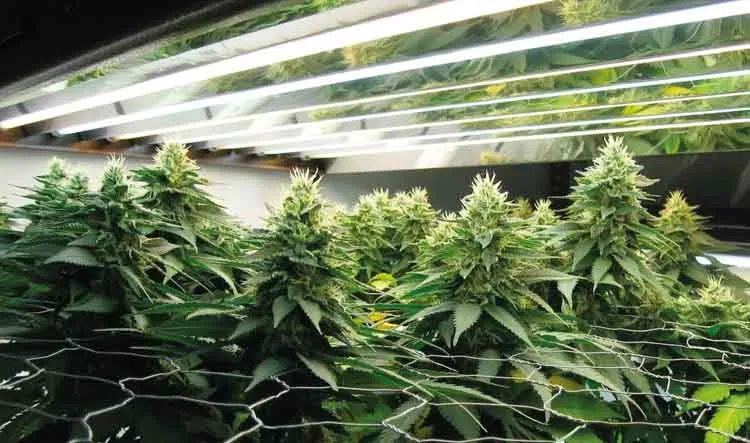
Indoor gardening and plant cultivation have become increasingly popular, driven by the desire for fresh produce year-round and the therapeutic benefits of growing plants indoors. However, one of the key challenges of indoor gardening is providing adequate lighting for plant growth. You may wonder are fluorescent lights good for plants growth.
Fluorescent grow lights have been used for decades to provide artificial lighting for plants, offering a cost-effective and energy-efficient alternative to traditional incandescent bulbs. And there are many other kinds of plant grow lights, like LED grow light, HPS grow lamp. Here we will explore the benefits and applications of fluorescent lights in plant cultivation, discussing the various types of fluorescent lights, their advantages over other lighting options, and how to effectively use them to maximize plant growth and health. If want to learn more about other grow lamps, we attached link at the end.
How Fluorescent Lights Work?
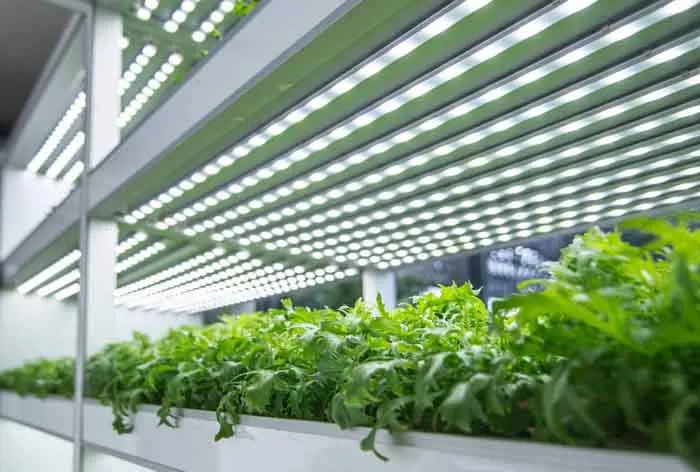
Fluorescent lights operate based on the principle of fluorescence, where electric current is used to excite mercury vapor within the tube, producing ultraviolet (UV) light. This UV light interacts with the phosphor coating on the inside of the tube, causing it to fluoresce or emit visible light. Here’s a step-by-step explanation:
- Starting Mechanism:When the light switch is turned on, electricity flows through the tube’s electrodes, ionizing the mercury vapor and creating a conductive path.
- Production of UV Light: The ionized mercury atoms release ultraviolet photons as they return to their stable state.
- Phosphor Coating: The phosphor coating on the inside of the tube absorbs the UV photons and re-emits them as visible light.
- Color Rendering: Different phosphor coatings produce different colors of light. By varying the composition of the phosphor, manufacturers can create fluorescent lights that emit warm or cool light.
- Efficiency: Fluorescent lights are more energy-efficient than incandescent bulbs because they produce less heat and more visible light per unit of electrical energy.
- Types of Fluorescent Lights: There are several types of fluorescent lights, including compact fluorescent lamps (CFLs) and tube lights (T5, T8, etc.), each with its own characteristics and applications.
Types of Fluorescent Lights
There are several types of fluorescent lights for plants. Each have it’s features.
Tube Lights (T5, T8, T12):
- T5 Tubes: These are the most energy-efficient fluorescent tubes, with a diameter of 5/8 inch. They produce a high light output and are ideal for areas where space is limited, such as in compact grow spaces or vertical gardens.
- T8 Tubes: These tubes have a diameter of 1 inch and are the most commonly used fluorescent tubes. They are efficient and provide good color rendering, making them suitable for general plant growth and maintenance.
- T12 Tubes: These have a diameter of 1.5 inches and are the least efficient of the three types. They are being phased out in many regions due to their lower energy efficiency.
Compact Fluorescent Lamps (CFLs):
- CFLs are smaller versions of tube lights that can be used in standard light fixtures. They are available in various wattages and color temperatures, making them versatile for different plant species and growth stages.
- CFLs are often used for seed starting and supplemental lighting in indoor gardens due to their compact size and energy efficiency.
High Output (HO) and Very High Output (VHO) Fluorescent Lights:
- HO and VHO fluorescent lights are designed to provide higher light output than standard fluorescent lights. They are often used in commercial greenhouses and indoor farms to provide supplemental lighting or as the primary light source for high-light plants.
Color Temperature and Color Rendering Index (CRI):
- Fluorescent lights are available in different color temperatures, ranging from warm white (2700K) to cool white (6500K) and daylight (5000-6500K). The color temperature affects plant growth and development, with cooler temperatures promoting vegetative growth and warmer temperatures promoting flowering and fruiting.
- CRI is a measure of how accurately a light source renders colors compared to natural light. Higher CRI bulbs provide more accurate color representation, which is important for assessing plant health and growth.

Advantages of Using Fluorescent Lights for Plants
- Energy Efficiency: Fluorescent lights are more energy-efficient than incandescent bulbs, producing more light and less heat for the same amount of energy. This can result in lower electricity bills and reduced environmental impact.
- Versatility: Fluorescent lights are available in various sizes and shapes, making them suitable for different types of indoor gardens and grow spaces. They can be used as primary or supplemental lighting, depending on the needs of the plants.
- Cost-Effective: While the initial cost of fluorescent lights may be higher than incandescent bulbs, they last longer and consume less energy, resulting in cost savings over time.
- Low Heat Output: Fluorescent lights produce less heat compared to other types of lighting, reducing the risk of heat stress or damage to plants. This makes them suitable for use in small or enclosed spaces.
- Color Spectrum: Fluorescent lights can be manufactured to emit specific wavelengths of light that are optimal for plant growth. Different color temperatures can be used to promote vegetative growth or flowering, making them versatile for different stages of plant development.
- Long Lifespan: Fluorescent lights have a longer lifespan compared to incandescent bulbs, reducing the frequency of replacement and maintenance costs.
Fluorescent & LED Grow Light:
You may heard about led grow light, and known for it’s energy saving and other custom functions. Yes, LED grow lights are known for their energy efficiency, but they typically have a higher upfront cost compared to fluorescent plant lights. While LED grow light fixtures can save you money in the long run due to their lower energy consumption and longer lifespan, the initial investment is usually higher than that of fluorescent lights. Fluorescent lights, on the other hand, are generally more affordable upfront but may not be as energy-efficient as LEDs. We are advanced led grow lights supplier of 16 years experiences. If you want to know more about LEDs, you can click Here – LED GROW LIGHT, or contact us for information directly.
Applications of Fluorescent Lights in Plant Cultivation
Indoor Gardening: Fluorescent lights are widely used in indoor gardening to provide supplemental lighting or as the primary light source for growing plants indoors. They are particularly useful for growing herbs, vegetables, and ornamental plants that require adequate light for healthy growth.
Commercial Greenhouses: Fluorescent lights are used in commercial greenhouses to supplement natural sunlight, especially during the winter months or in areas with limited sunlight. They help extend the growing season and ensure consistent growth and quality of crops.
Seed Starting: Fluorescent lights are ideal for starting seeds indoors, providing the right amount and spectrum of light for seedlings to grow strong and healthy before transplanting them outdoors.
Propagation: Fluorescent lights are also used for propagating plants from cuttings or divisions. The gentle light spectrum and low heat output help promote root development and overall growth.
Vertical Gardens: In vertical gardening systems, where plants are stacked vertically to maximize space, fluorescent lights are often used to provide uniform lighting to all levels of the garden.
How to Use Fluorescent Lights for Indoor Plants
- Choose the Right Fixture: Select a fluorescent light fixture that is suitable for your indoor gardening needs. Consider factors such as the size of your growing area, the type of plants you are growing, and the light intensity required.
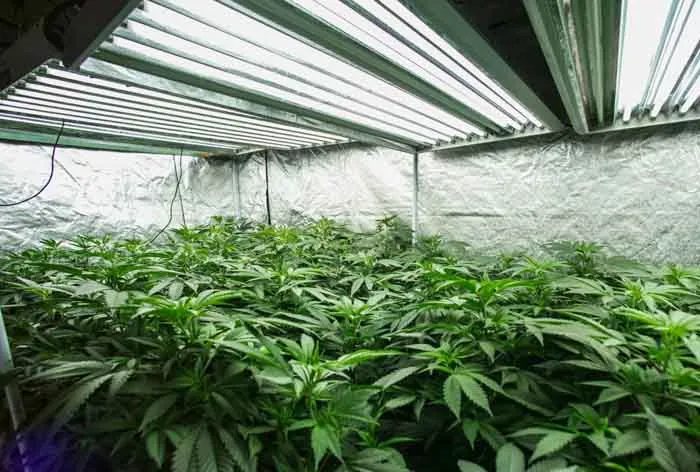
- Positioning the Lights: Place the fluorescent lights close to the plants, typically within 6 to 12 inches, to ensure they receive an adequate amount of light. Adjust the height of the lights as the plants grow to maintain the optimal distance.
- Duration of Light: Most indoor plants require about 12 to 16 hours of light per day. Use a timer to regulate the light cycle and ensure consistent lighting for your plants.
- Light Spectrum: Choose fluorescent lights with the appropriate light spectrum for the growth stage of your plants. For example, use lights with a cooler spectrum (around 6500K) for vegetative growth and a warmer spectrum (around 3000K) for flowering and fruiting stages.
- Lighting Arrangement: Arrange the fluorescent lights to provide uniform coverage to all plants. Consider using reflectors or light stands to maximize light distribution.
- Monitor Plant Growth: Regularly monitor the growth and health of your plants under the fluorescent lights. Adjust the lighting schedule or intensity if you notice any signs of stress or inadequate growth.
Tips for Maximizing Plant Growth with Fluorescent Lights
Choose the Right Color Temperature:
- Vegetative Growth (6500K): During the vegetative growth stage, plants require more blue light (higher color temperature around 6500K) to promote strong, healthy stems and foliage. Blue light also helps regulate plant growth hormones, encouraging robust vegetative growth.
- Flowering and Fruiting (3000K): In the flowering and fruiting stages, plants benefit from a higher ratio of red light (lower color temperature around 3000K). Red light stimulates the production of flowering hormones, leading to more flowers and fruits. It also helps in the development of larger, sweeter fruits.
Adjust Light Intensity:
- High Intensity: Placing fluorescent lights closer to the plants increases light intensity, which can be beneficial during periods of rapid growth or for plants that require more light.
- Low Intensity: If plants are showing signs of light stress (e.g., leaves curling or bleaching), move the lights further away to reduce the intensity.
Use Reflectors:
- Reflectors can help direct light towards plants that may not be receiving enough light. They can also help distribute light more evenly throughout the growing area, ensuring all plants receive adequate light.
Maintain Consistent Lighting:
- Consistent lighting is important for plant growth and development. Use a timer to ensure that plants receive the correct amount of light each day, mimicking natural daylight cycles.
Monitor Plant Health:
- Regularly check plants for signs of stress or nutrient deficiencies. Adjust the lighting schedule or intensity if necessary to promote healthy growth.
Consider Light Stand Height:
- As plants grow, adjust the height of the light stand to maintain the proper distance between the lights and the plants. This ensures that plants receive adequate light as they grow taller.
Conclusion
Fluorescent lights help plants grow. Fluorescent grow lights are a versatile and cost-effective option for providing artificial lighting to indoor plants. By understanding the light requirements of different plants and using the right color temperature and intensity, you can maximize plant growth and health. Regular monitoring of plant health and adjusting the lighting schedule or intensity as needed can help ensure successful plant cultivation. With proper care and attention to lighting, you can create a thriving indoor garden using fluorescent lights.
FAQs
1. Are fluorescent lights good for plants?
Fluorescent lights can be good for plants, especially for providing supplemental lighting or for growing low to medium light plants indoors. However, they may not be sufficient for plants with high light requirements.
2. Can you use regular fluorescent lights to grow plants?
Yes, you can use regular fluorescent lights to grow plants, but it’s important to choose the right color temperature and intensity for the plants’ needs.
3. Can plants photosynthesize with LED light?
Yes, plants can photosynthesize with LED light. LED lights can provide the necessary light spectrum for photosynthesis, but it’s important to use LED lights designed for plant growth.
4. UV light bulbs for plants
UV light bulbs can be used for plants, but exposure to UV light should be limited as it can damage plants if used incorrectly.
5. Can plants photosynthesize with artificial light?
Yes, plants can photosynthesize with artificial light, as long as the light provides the necessary spectrum of light for photosynthesis.
6. Can you use grow lights as regular lights?
Grow lights are designed for plant growth and may not be suitable for general lighting purposes. They may not provide the right spectrum of light for human vision.
7. Can plants get light from light bulbs?
Yes, plants can get light from light bulbs, but it’s important to use the right type of bulb and ensure that plants receive the appropriate amount and spectrum of light for their growth.
