
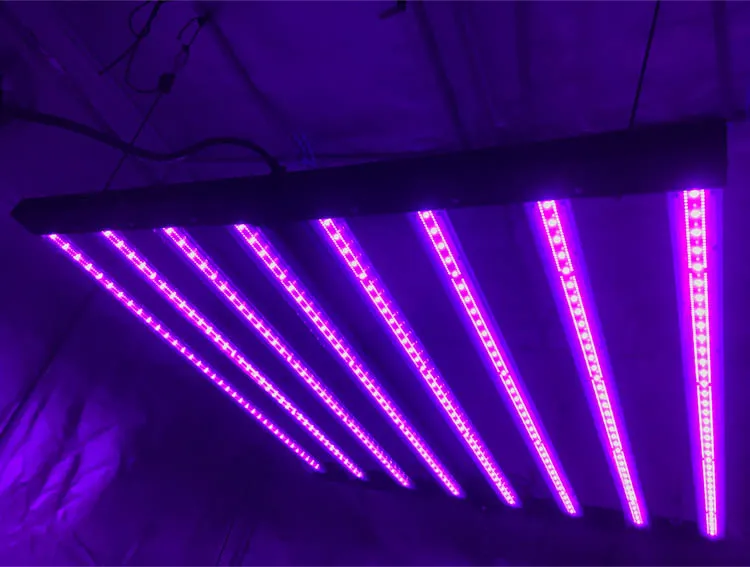
Are you worried because you have a deficiency of natural light indoors? Don’t need to be upset? Consider utilizing LED lights as a substitute for grow lights. Light is the important factor for the healthy growth of plants in the field of plant cultivation. Plants, specifically those that grow in low-light conditions, need light for their development, and artificial lighting might be a reliable choice to ensure they receive an adequate quantity if you want to learn about the benefits of UV light for plants and how to get the most out of their growth. This article will cover the benefits of UV light for plants and give tips on making plants more nutritious and powerful.
UV Light for Plants? Understanding the Basics and Benefits
Plants are wonderful living things that need light to grow and develop. Different kinds of light exist, but ultraviolet (UV) light is very important to plants. In this part, we’ll talk about the basics of UV light for plants, including why it’s important and how it can help plants grow.
What is UV Light?
UV light is electromagnetic radiation that falls outside the visible light spectrum. There are three main types of it: UV-A, UV-B, and UV-C. UV-C is mostly blocked by the Earth’s atmosphere and doesn’t affect plant growth. However, UV-A and UV-B are very important for many plant molecular processes.
Types of UV Light for Plants:

- Ultraviolet C (UVC)
The ozone layer blocks UVC, so it never gets to the Earth’s surface or plants outside. Exposure to UVC is very dangerous for live things because it damages cells and can even cause cancer.
- Ultraviolet A (UVA)
Violet A light, or UVA light, has wavelengths between 320 and 400 nm. When they hit the Earth’s surface, a little over 3% of the rays in natural sunshine are in it. It doesn’t work against DNA in any way.
- Ultraviolet B (UVB)
The another kind of UV light is UVB, which has bands between 280 and 320 nm. It has about 0.1 percent of the world’s pure sunlight. Unlike UVA, it can damage DNA and has been shown to cause cancer in both people and animals.
Benefits of UV Light for Plants:
- Better photosynthesis:
UV light makes plants do more photosynthesis, which increases their total growth and food production.
- Better Ability to Handle Stress:
When exposed to UV light, plants defend against natural factors like drought and pathogens.
- Plants can take in more nutrients:
UV light can help plants take in more important nutrients, which improves nutrient efficiency and vigor.
- Increased Flavor and Smell:
When fruits and veggies are exposed to UV light, they make secondary molecules that improve their smell and taste.
- Resistance to Disease:
UV light make the plant more resistant to pests and diseases, so chemicals aren’t needed as much.
Is UV Light and Purple Light Good for Plants?
Purple light, often linked to UV bands, has been getting much attention in plant growth lately. This section will discuss the benefits and things to consider when using UV and purple light to help plants grow.
Understanding Purple Light:
Purple light, also known as “full-spectrum” or “growth light,” encompasses a range of wavelengths, including those in the UV spectrum. While traditional grow lights primarily emit red and blue wavelengths, purple light incorporates UV and near-UV wavelengths, offering a broader spectrum that mimics natural sunlight.
Effects of UV and Purple Light on Plants:
- Stimulated photosynthesis:
UV light can enhance plants’ photosynthesis in controlled amounts. In addition to red and blue light, purple light includes UV bands that help plants make more biomass and grow faster overall.
- Secondary Metabolite Production:
Exposure to UV light triggers the production of secondary metabolites in plants, including flavonoids, anthocyanins, and phenolics. These chemicals help plants defend themselves and are often linked to better taste, smell, and nutritional value in fruits and veggies.
- Enhanced Plant Resilience:
Plants exposed to UV and purple light exhibit enhanced resilience to environmental stressors, such as high temperatures, drought, and pest attacks. Protective chemicals strengthen the plant’s immune system, making it less likely to get diseases and healthier overall.
Factors for UV and Purple Light Usage:
- Maximum and Minimum Exposure:
UV sun can help plants grow, but too much of it cannot be good. Giving plants limited amounts of UV and purple light is important to balance the benefits of better photosynthesis and secondary metabolite production with the risk of UV harm.
- Plant Sensitivity:
Not all plants react similarly to UV and purple light. Different species might be more or less affected by UV light, while others might need more UV to grow properly. It is very important to consider the unique needs and preferences of the cultivated plants.
- Light Spectrum Composition:
When adding UV and purple light to grow light systems, it’s important to consider how the spectrum is combined. Ensuring that the amounts of red, blue, and UV bands are equal gives plants a full range of light that helps them grow and develop healthily.
Cannabis Growing Needs UV Light?
Cannabis production has evolved significantly, with growers always seeking new ways to improve plant growth and harvests. Among the several factors influencing cannabis cultivation, UV light has garnered attention because of its potential impact on plant development. Now, we’ll investigate whether UV light is indeed advantageous to cannabis development and what conditions are ideal for introducing UV light into growing techniques.
Understanding ultraviolet light in cannabis cultivation:
UV light, particularly UV-B wavelengths, has been examined to see how it affects plant growth and development. While cannabis plants naturally get UV radiation from sunshine, indoor growing conditions may not provide adequate UV exposure.
The Role of UV Light in Cannabis Growth:
- Enhanced Cannabinoid Production:
Research suggests that exposure to UV-B light can stimulate the production of cannabinoids, including THC and CBD, in cannabis plants. Because these substances are essential to the medicinal and euphoric effects of cannabis, UV-B radiation has the potential to be a useful technique for increasing the amount of cannabinoids.
- Increased Trichome Formation:
Trichomes, the resinous glands on cannabis flowers, are rich in cannabinoids and terpenes. UV-B light has been shown to help trichomes grow, which could make cannabis leaves more powerful and increase the amount of resin they produce.
- Improved Plant Resilience:
UV-B light causes secondary molecules to be made, like flavonoids and phenolics, which help plants defend themselves. Cannabis plants subjected to UV-B radiation may demonstrate enhanced resistance to various environmental stresses, such as parasites, diseases, and temperature fluctuations.
Optimal Conditions for UV Light Integration:
- UV-B Spectrum Selection:
When incorporating UV light into cannabis cultivation, growers should select light sources that emit specific UV-B wavelengths optimized for plant growth. To make the most of their benefits while reducing the risk of UV damage, LED grow lights with custom UV-B bands let you precisely control the amount of UV exposure.
- Controlled Exposure:
Cannabis plants should be exposed to UV light in a controlled manner to prevent overexposure and minimize the risk of UV damage. Gradually increasing UV exposure during the vegetative and early flowering stages allows plants to acclimate to UV light while avoiding stress.
- Monitoring and Adjustment:
Growers should closely monitor plant response to UV light exposure and adjust based on observed effects. Fine-tuning UV exposure levels and duration ensures that cannabis plants receive optimal UV benefits without compromising overall health and productivity.
Grow Light with UV IR LED for Plants:
Lighting technology has changed over the years, which has led to new ways to grow plants indoors and encourage them to produce more. One such improvement is the addition of UV and IR LED lights to grow light systems, which provide a wide range of light that meets the various needs of plants.
Understanding UV and IR LEDs:
UV LEDs emit ultraviolet light, including UV-A and UV-B wavelengths, which are beneficial for various physiological processes in plants. IR LEDs, on the other hand, emit infrared radiation, contributing to plant metabolism and photosynthesis. By incorporating UV and IR LEDs into grow light systems, growers can provide plants with a balanced spectrum that closely mimics natural sunlight.
Benefits of UV and IR LEDs for Plant Growth:
- Enhanced Photosynthesis:
UV and IR light wavelengths stimulate photosynthetic processes in plants, leading to increased biomass production and overall growth.
- Optimized Secondary Metabolite Production:
UV light exposure promotes the synthesis of secondary metabolites in plants, including antioxidants, flavonoids, and terpenes, contributing to enhanced flavor, aroma, and medicinal properties.
- Improved Plant Resilience:
IR light aids plant metabolism and stress response mechanisms, enhancing resilience to environmental stressors such as heat, drought, and disease.
- Increased Flowering and Fruit Production:
UV light exposure can stimulate flowering and fruiting in certain plant species, leading to higher yields and improved reproductive success.
Considerations for Grow Lights with UV and IR LEDs:
- Spectrum Composition:
When selecting grow lights with UV and IR LEDs, the spectrum composition must be considered and ensured to align with the specific needs of the cultivated plants.
- Optimal Placement and Exposure:
Grow lights should be positioned at an optimal distance from the plants to ensure uniform light distribution and prevent excessive heat buildup. Careful monitoring of light intensity and duration is necessary to avoid overexposure and minimize the risk of plant damage.
- Integration with Existing Lighting Systems:
Grow lights with UV and IR LEDs can complement existing lighting systems, such as fluorescent or LED grow lights, to provide plants with a comprehensive spectrum throughout the growth cycle.
How Long to Leave UV Light on Plants: Guide for Optimal Growth
Determining the appropriate duration of UV light exposure for plants is crucial for achieving optimal growth and avoiding potential harm.
Understanding UV Light Exposure:
UV light, particularly the UV-B bands, is very important for many physiological processes in plants, such as photosynthesis, the production of secondary metabolites, and how plants respond to stress. Moderate UV exposure can help plants grow and make them more resistant to damage, but too much or too long of exposure can damage plants and cause leaf burn, slower growth, and problems with photosynthesis.
Factors Influencing UV Light Duration:
- Plant Species and Sensitivity:
Different plant species exhibit varying sensitivity to UV light. Some plants may need longer exposure to UV light to benefit from it, while others may be more easily hurt and need shorter exposure times.
- Growth Stage:
The optimal duration of UV light exposure may vary depending on the plant’s growth stage. Young plants and seedlings are usually more sensitive to UV light so that they may need less sun exposure than older plants.
- UV Light Intensity:
The intensity of UV light emitted by the light source will influence the duration of exposure required for optimal growth. Higher-intensity UV light may necessitate shorter exposure times to prevent overexposure and minimize the risk of UV damage.
Recommendations for UV Light Duration:
- Start with Short Exposure Periods:
When introducing UV light to plants, start with short exposure periods and gradually increase the duration as the plants acclimate to UV light. This gradual approach helps minimize the risk of UV damage and allows plants to adjust to the new light conditions.
- Monitor Plant Response:
Pay close attention to plants’ responses to UV light exposure, observing signs of stress or damage, such as leaf discoloration or wilting. If plants exhibit adverse effects, reduce the duration of UV exposure accordingly to prevent further damage.
- Time of Day:
Consider the time of day when exposing plants to UV light, as excessive exposure during the hottest part of the day may increase the risk of heat stress and dehydration. The best time for plants to be exposed to UV light may change based on the plant type and the climate’s state.
- Balance UV and Visible Light:
While UV light benefits plant growth, a balance between UV and visible light wavelengths is essential. Supplemental visible light sources should ensure plants receive a comprehensive spectrum for photosynthesis and overall development.
Maximizing Growth Potential: UV Light and Plant Health
In the pursuit of optimal plant health and growth, harnessing the potential of UV light represents a significant opportunity for growers. However, ensuring UV light’s safe and effective utilization requires a strategic approach.
Understanding UV Light and Plant Health:
UV light, particularly UV-B wavelengths, plays a multifaceted role in plant health and development. While excessive UV exposure can damage and stress, controlled UV exposure offers numerous benefits, including enhanced photosynthesis, secondary metabolite production, and resilience to environmental stressors. By understanding the nuanced effects of UV light on plant health, growers can leverage its potential to optimize growth and vitality.
Strategies for Harnessing UV Light’s Potential:
- Selective UV Exposure:
Implementing selective UV exposure strategies involves providing plants with controlled doses of UV light tailored to their specific requirements. This may include adjusting the duration and intensity of UV exposure based on factors such as plant species, growth stage, and environmental conditions.
- Gradual Acclimation:
Gradual acclimation to UV light is essential for minimizing stress and maximizing plant health. Start with short exposure periods and gradually increase the duration and intensity of UV light as plants acclimate to the new light conditions. This gradual approach allows plants to tolerate UV light and develop protective mechanisms against UV damage.
- Optimized Light Spectrum:
Integrating UV light into a balanced light spectrum is crucial for promoting overall plant health and growth. Combine UV light with other wavelengths, including visible and infrared light, to create a comprehensive spectrum that supports photosynthesis, secondary metabolite production, and stress resilience.
- Monitoring and Adjustment:
Regular monitoring of plant response to UV light exposure is essential for assessing the effectiveness of cultivation strategies and making adjustments as needed. Pay close attention to indicators of plant health, such as growth rates, leaf coloration, and overall vigor, and adjust UV exposure levels accordingly to optimize growth potential.
- Environmental Considerations:
When using UV light strategies, consider temperature, humidity, and movement in the area. Providing optimal growing conditions, including adequate ventilation and moisture levels, helps mitigate potential stressors associated with UV exposure and promotes overall plant health.
FAQs:
What type of light causes damage to plants?
Plants exposed to excessive ultraviolet (UV) light can hurt them and cause leaf burn and slower growth.
Is UV Light for Plants Grow Safe?
UV light for plants is safe when used in controlled doses. Properly regulated exposure to UV light can promote plant growth and health.
Is ultraviolet light good for plants?
Yes, ultraviolet (UV) light benefits plants in moderate amounts. It makes plants stronger and increases the production of secondary compounds.
Do plants need UV rays?
While plants can benefit from UV rays in moderation, they do not necessarily require them for survival. UV rays play a role in certain physiological processes and can enhance plant growth under controlled conditions.
Will LED lights help plants grow?
Yes, LED lights can help plants grow by giving them the right light for photosynthesis. When built correctly, LED grow lights can also grow plants indoors by mimicking natural sunshine.
How long to leave UV light on plants?
Plants are exposed to UV light for different amounts of time depending on their type, growth stage, and the amount of light they are exposed to. Start with shorter exposure periods and gradually increase duration while monitoring plant response.
Do LED grow lights emit UV?
Some LED grow lights are designed to emit UV light as part of their spectrum. However, not all LED grow lights emit UV, so it’s essential to check the light source’s specifications before use.
