
Introduction
In the world of cannabis cultivation, the right lighting is essential for nurturing healthy plants and maximizing yields. Among the myriad options available, red light has emerged as a game-changer for growers seeking to optimize their marijuana cultivation practices. In this comprehensive guide, we’ll explore the fascinating realm of red light for cannabis plants, delving into its benefits, applications, and best practices.
As marijuana enthusiasts and cultivators alike continue to push the boundaries of innovation, the quest for the perfect grow light has led many to discover the profound effects of red light on plant growth and development. From its role in stimulating flowering to its ability to enhance overall plant health, red light has revolutionized the way we approach cannabis cultivation.
Throughout this article, we’ll navigate through the intricate world of red light for marijuana plants, addressing common questions such as its impact on growth stages, the science behind its effectiveness, and practical tips for implementation. Whether you’re a seasoned cultivator or a novice enthusiast, let’s uncover the secrets of red light cultivation for cannabis.
Understanding Far Red Light
What is Far Red Light?
Far red light is a specific wavelength of light that falls within the electromagnetic spectrum, typically ranging from approximately 700 to 800 nanometers (nm). Unlike other wavelengths of light, such as blue and red, far red light is invisible to the human eye but plays a crucial role in plant physiology and development. It is often referred to as “far red” due to its position at the far end of the visible light spectrum.
The Science Behind Far Red Light:
Far red light influences various physiological processes in plants through its interaction with photoreceptors, particularly phytochrome. Phytochromes are light-sensitive proteins that regulate plant growth and development in response to changes in light quality, including the presence of far red light.
When plants absorb far red light, phytochromes undergo a molecular transformation, transitioning from an inactive (Pr) to an active (Pfr) form. This conversion triggers a cascade of physiological responses within the plant, including changes in stem elongation, leaf expansion, flowering time, and overall growth patterns.
Applications of Far Red Light in Cannabis Cultivation:
- Flowering Stimulation: Far red light is instrumental in regulating the transition from the vegetative to the flowering stage in cannabis plants. By providing supplemental far red light during the flowering phase, growers can effectively accelerate the onset of flowering and enhance bud development.
- Photoperiod Manipulation: Manipulating the photoperiod with far red light can be a powerful tool for controlling the flowering cycle of cannabis plants. By exposing plants to far red light at specific times, growers can influence flowering initiation, duration, and intensity, allowing for greater control over harvest schedules and yield optimization.
- Light Spectrum Optimization: Integrating far red light into a comprehensive lighting spectrum can help create an ideal environment for cannabis cultivation. By combining far red light with other wavelengths, such as blue and red, growers can tailor light spectra to meet the specific needs of their plants at different growth stages, promoting robust growth, and maximizing yields.
As we delve deeper into the realm of far red light, it becomes clear that its applications in cannabis cultivation are both diverse and impactful. By harnessing the power of far red light, growers can unlock new avenues for crop management, productivity, and overall plant health in their cannabis gardens.
The Role of Far Red Light in Marijuana Cultivation
Far red light is a crucial component in the cultivation of marijuana plants, exerting a profound influence on their growth and development. Here’s how far red light impacts different aspects of marijuana cultivation:
Promotion of Flowering and Bud Development:
During the flowering stage, exposure to far red light is instrumental in accelerating flowering and stimulating robust bud development in marijuana plants. Integrating far red light into the lighting spectrum, alongside other wavelengths like red and blue light, creates an optimal environment for flowering and enhances bud formation.
Regulation of Photoperiod and Flowering Transition:
Far red light helps regulate the photoperiod and signals the transition from the vegetative stage to the flowering stage in marijuana plants. By adjusting the duration and intensity of far red light exposure, growers can precisely control the flowering cycle, ensuring flowering occurs at the desired stage for optimal growth and yield.
Enhancement of Photosynthetic Efficiency and Plant Growth:
Far red light contributes to increased photosynthetic efficiency and overall plant growth by activating specific photoreceptors involved in photosynthesis. This stimulation of metabolic processes leads to robust vegetative growth, healthy foliage development, and ultimately, higher yields of premium-quality cannabis.
Far red light plays a multifaceted role in marijuana cultivation, influencing flowering, growth cycles, and overall plant health. By harnessing the power of far red light, you can optimize their cultivation practices and achieve impressive results in their cannabis crops.
Practical Applications of Far Red Light
In marijuana cultivation, harnessing the power of far-red light involves practical applications that can significantly impact plant growth and development. Implementing these strategies effectively can lead to improved yields and quality of cannabis crops.
Supplemental Lighting:
Integrating far-red light into supplemental lighting systems can enhance overall light spectrum quality, especially in indoor grow environments. By providing supplemental far-red light during critical growth stages, such as vegetative and flowering phases, growers can stimulate plant growth, improve photosynthesis efficiency, and promote higher yields.
Light Manipulation Techniques:
Utilizing far-red light in light manipulation techniques offers growers precise control over plant growth and development. By adjusting the ratio of far-red to other light wavelengths, such as red and blue light, growers can influence various physiological processes, including stem elongation, leaf expansion, and flowering induction. This allows for tailored light environments that optimize plant growth while conserving energy and resources.
Enhancing Seed Germination and Seedling Growth:
Far-red light can play a crucial role in enhancing seed germination and seedling growth. By exposing seeds and young seedlings to far-red light, growers can accelerate germination, promote uniform seedling emergence, and enhance early root and shoot development. This ensures a strong start for cannabis plants and sets the stage for vigorous growth throughout the cultivation cycle.
Dynamic Light Recipes:
Developing dynamic light recipes that incorporate far-red light can further optimize cannabis cultivation practices. By programming lighting schedules that vary the intensity and duration of far-red light exposure throughout the plant’s lifecycle, growers can fine-tune growth parameters to meet specific crop requirements. This approach enables growers to mimic natural light conditions, promote robust growth, and maximize yield potential.
Light Quality Management:
Far-red light management is essential for maintaining optimal light quality throughout the cultivation cycle. By monitoring and adjusting far-red light levels alongside other light parameters, such as intensity and duration, growers can ensure consistent and uniform light distribution across the canopy. This helps mitigate potential issues related to uneven growth, light stress, and photoperiod irregularities, leading to healthier and more productive cannabis plants.
By leveraging practical applications of far-red light in marijuana cultivation, growers can optimize plant growth, improve crop quality, and achieve higher yields, ultimately contributing to the success and sustainability of the cannabis industry.
Choosing Far Red Light Solutions
Selecting the right far-red light solutions is essential for maximizing their effectiveness in marijuana cultivation. Growers must consider various factors, including light intensity, spectrum quality, energy efficiency, and compatibility with their cultivation setup. Here are some considerations when choosing far-red light solutions:
Considerations when selecting far-red light fixtures
- Light Spectrum Quality: Opt for far-red light sources that provide a balanced and uniform spectrum, including wavelengths within the optimal range for plant growth and development. Look for lights that emit far-red wavelengths between 700-750 nanometers, as these wavelengths are most effective in stimulating specific physiological responses in cannabis plants.
- Adjustable Intensity and Duration: Choose far-red light fixtures that offer adjustable intensity and duration settings, allowing growers to customize light levels based on their crop’s growth stage and environmental conditions. This flexibility enables precise control over light exposure, ensuring optimal plant responses and maximizing energy efficiency.
- Energy Efficiency: Invest in far-red light solutions that prioritize energy efficiency to minimize operational costs and environmental impact. Look for fixtures with high efficacy ratings and advanced lighting technologies, such as LED or plasma, which offer superior energy efficiency and longevity compared to traditional lighting sources like HPS or fluorescent lamps.
- Compatibility with Cultivation Setup: Consider the compatibility of far-red light solutions with your cultivation setup, including grow room size, layout, and infrastructure. Choose fixtures that are easy to install, adjust, and integrate into existing lighting systems, ensuring seamless operation and minimal disruption to crop growth.
- Research and Reviews: Conduct thorough research and seek recommendations from experienced growers or reputable sources when selecting far-red light solutions. Look for products with positive reviews, proven performance, and reliable customer support to ensure a successful investment and long-term satisfaction.
- Cost-Effectiveness: Evaluate the cost-effectiveness of far-red light solutions based on their upfront costs, operational expenses, and potential returns on investment. Consider factors such as fixture lifespan, energy savings, and crop yield improvements to determine the overall value proposition of different lighting options.
Recommendations for far-red light
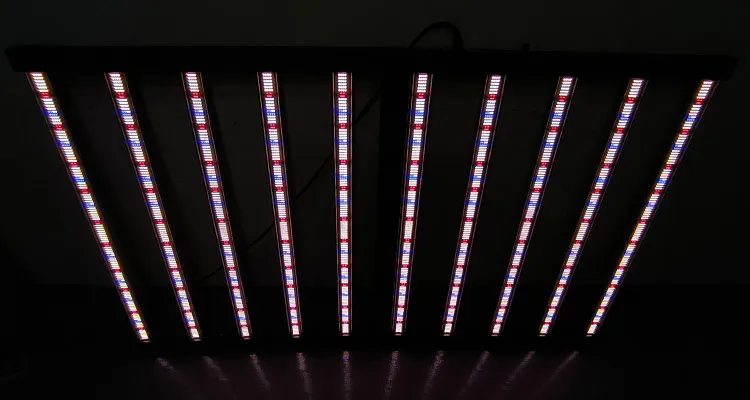
Maksdep is a professional led grow lights, offer excellent lighting fixtures with far-red light. The best seller model is 4x6ft 1000W led grow light. This model is of full spectrum with red blue uv and far red leds. Prooved good performance led grow lights, 4.2lbs yield. Welcome to contact us for product details.
Conclusion
Far-red light plays a crucial role in marijuana cultivation, influencing various physiological processes and contributing to overall plant health, growth, and yield. By embracing the benefits of far-red light and integrating them into their cultivation practices, growers can unlock new opportunities for success and drive advancements in cannabis production.
